THE ADVENTURE COLLECTIVE® · Independent discovery and booking for outdoor travel

A doable day-hike from Chania, Imbros Gorge offers 8–9 km of easy to moderate walking through limestone walls, endemic plants and a seaside finish in Sfakia. Perfect for families and walkers who want a slice of Crete’s wild south without the crowds of Samaria.
A doable day-hike from Chania, Imbros Gorge offers 8–9 km of easy to moderate walking through limestone walls, endemic plants and a seaside finish in Sfakia. Perfect for families and walkers who want a slice of Crete’s wild south without the crowds of Samaria.
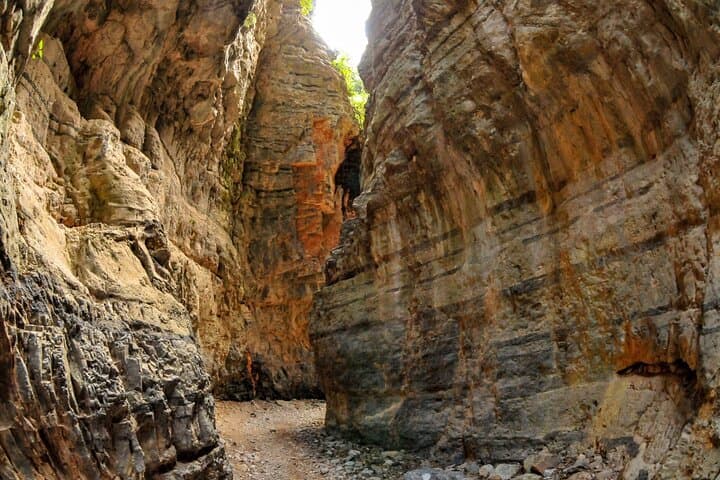
You step off the bus where the road thins and the olive trees give way to vertical limestone. A narrow slit opens between cliffs: the mouth of Imbros Gorge. The trail begins as a ribbon of stone and dust, then narrows into cool shadowed corridors where the air smells of rosemary and damp earth. For the next three hours the canyon sets the pace — slow enough to notice tiny endemic flowers clinging to cracks, brisk enough to keep a steady rhythm to the final sea-view reward.
Verified experiences and guided adventures in the surrounding area.
Operated by TravelPath AllcreteTours · Imbros (Sfakia), Crete
You step off the bus where the road thins and the olive trees give way to vertical limestone. A narrow slit opens between cliffs: the mouth of Imbros Gorge. The trail begins as a ribbon of stone and dust, then narrows into cool shadowed corridors where the air smells of rosemary and damp earth. For the next three hours the canyon sets the pace — slow enough to notice tiny endemic flowers clinging to cracks, brisk enough to keep a steady rhythm to the final sea-view reward.
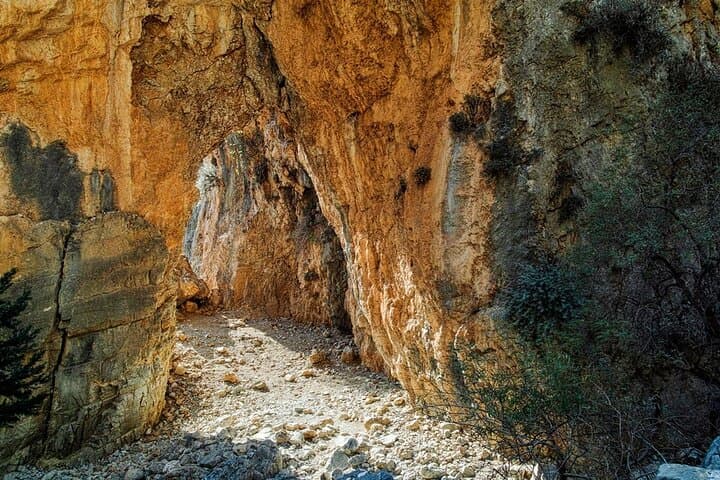
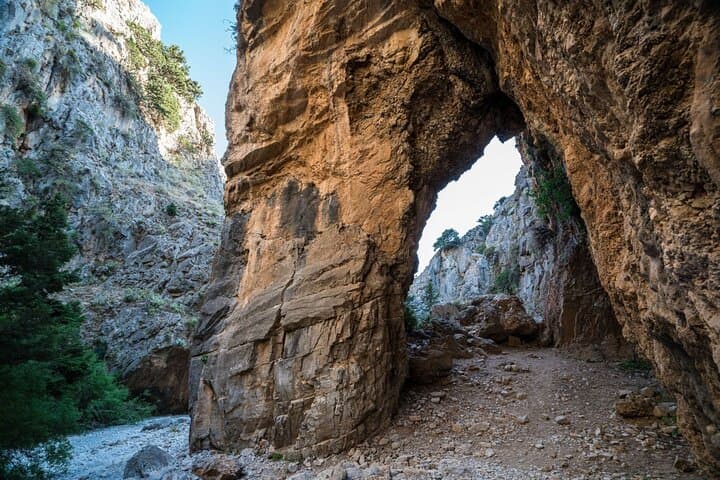
Imbros runs roughly 8–9 km and sits in the mountainous Sfakia district of southern Crete. Less famed than Samaria but no less characterful, the gorge has been a livestock and footpath for centuries; shepherds and villagers used these routes long before guided day trips made them accessible. Geologically it’s a product of tectonic uplift and water carving the island’s limestone — the walls here are textured with vertical striations, small caves and occasional scree that give the canyon a lived-in, rugged quality.
The culture around Imbros is Cretan in the direct, practical sense: villages that survived on goat herding, olive oil and small-scale farming. After the hike many itineraries drop hikers at Chora Sfakion or Frangokastello — seaside hamlets with tavernas and a Venetian fortress where locals still gather for late-afternoon coffee and fresh fish.
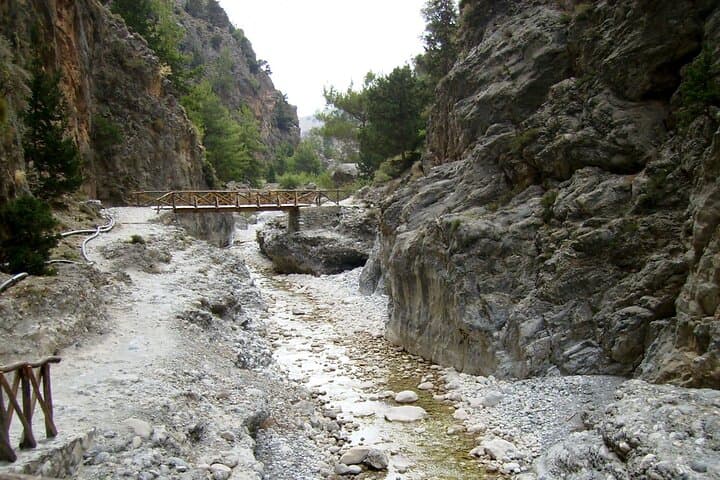
Practical guidance is straightforward. The trail is rated easy–moderate: around 8–9 km of largely downhill walking, uneven stone underfoot and limited shade in places. A comfortable pace takes most groups about three hours through the gorge; the full tour from Chania is a full day because of transfers and a post-hike stop for swimming or lunch.
Footwear matters more than fancy gear — solid trainers or lightweight hiking shoes with good grip will handle the stepped, sometimes loose terrain. Carry 1.5–2 liters of water, sun protection and a light layer for wind near the coast. For families with children the route is very doable but watch for narrow sections and loose stones. The operator typically provides hotel pickup in Chania and returns you by late afternoon; confirm pickup times the day before.
Leave no trace: the canyon supports rare Cretan plants and can erode under heavy use. Hike with respect for local pace — stop at village tavernas for slow-timed raki or a simple grilled meal and help sustain the small economies that keep these trails open.
Imbros is not a dramatic alpine conquest; it’s a measured day of geology, history and coastal payoff — an accessible canyon that rewards steady walking and a readiness to notice the island’s quieter details.
moderate.
3–5 hours (hike only); full-day tour 6–8 hours.
Suitable for regular walkers and families with older children; expect uneven footing and downhill sections requiring good balance.
The gorge walk is about 8–9 km and typically takes 2.5–4 hours depending on fitness and stops.
Yes — the gorge is one of Crete’s easier canyons and suitable for families, though children should be supervised on narrow or loose sections.
Most operators include hotel pickup and drop-off in Chania; reconfirm exact pickup time the day before.
Yes — tours usually stop at Chora Sfakion or Frangokastello where you can swim in clear coastal waters and grab a meal.
Facilities are limited along the gorge; use village amenities before starting or wait until the post-hike stop in Sfakia.
Yes — the trail is accessible year-round but conditions vary; heavy rain can make sections slippery and operators may cancel in bad weather.
Imbros has long served local shepherds and villagers as a corridor between highland pastures and coastal settlements; trails here predate modern roads and retain a practical, lived-in character.
The gorge supports several endemic plant species and is vulnerable to erosion from heavy foot traffic—stay on marked paths, pack out waste and support local guides who help manage the trail.
TravelPath AllcreteTours operates guided outdoor trips and adventures with an emphasis on safety, stewardship, and memorable experiences.
You step off the bus where the road thins and the olive trees give way to vertical limestone. A narrow slit opens between cliffs: the mouth of Imbros Gorge. The trail begins as a ribbon of stone and dust, then narrows into cool shadowed corridors where the air smells of rosemary and damp earth. For the next three hours the canyon sets the pace — slow enough to notice tiny endemic flowers clinging to cracks, brisk enough to keep a steady rhythm to the final sea-view reward.
You step off the bus where the road thins and the olive trees give way to vertical limestone. A narrow slit opens between cliffs: the mouth of Imbros Gorge. The trail begins as a ribbon of stone and dust, then narrows into cool shadowed corridors where the air smells of rosemary and damp earth. For the next three hours the canyon sets the pace — slow enough to notice tiny endemic flowers clinging to cracks, brisk enough to keep a steady rhythm to the final sea-view reward.
Imbros runs roughly 8–9 km and sits in the mountainous Sfakia district of southern Crete. Less famed than Samaria but no less characterful, the gorge has been a livestock and footpath for centuries; shepherds and villagers used these routes long before guided day trips made them accessible. Geologically it’s a product of tectonic uplift and water carving the island’s limestone — the walls here are textured with vertical striations, small caves and occasional scree that give the canyon a lived-in, rugged quality.
The culture around Imbros is Cretan in the direct, practical sense: villages that survived on goat herding, olive oil and small-scale farming. After the hike many itineraries drop hikers at Chora Sfakion or Frangokastello — seaside hamlets with tavernas and a Venetian fortress where locals still gather for late-afternoon coffee and fresh fish.
Practical guidance is straightforward. The trail is rated easy–moderate: around 8–9 km of largely downhill walking, uneven stone underfoot and limited shade in places. A comfortable pace takes most groups about three hours through the gorge; the full tour from Chania is a full day because of transfers and a post-hike stop for swimming or lunch.
Footwear matters more than fancy gear — solid trainers or lightweight hiking shoes with good grip will handle the stepped, sometimes loose terrain. Carry 1.5–2 liters of water, sun protection and a light layer for wind near the coast. For families with children the route is very doable but watch for narrow sections and loose stones. The operator typically provides hotel pickup in Chania and returns you by late afternoon; confirm pickup times the day before.
Leave no trace: the canyon supports rare Cretan plants and can erode under heavy use. Hike with respect for local pace — stop at village tavernas for slow-timed raki or a simple grilled meal and help sustain the small economies that keep these trails open.
Imbros is not a dramatic alpine conquest; it’s a measured day of geology, history and coastal payoff — an accessible canyon that rewards steady walking and a readiness to notice the island’s quieter details.