THE ADVENTURE COLLECTIVE® · Independent discovery and booking for outdoor travel

A high-altitude day trek from Cusco that rewards a steep hour of climbing with a vivid turquoise glacial lake and close views of Humantay peak. Expect sharp light, thin air, and a culturally rich visit guided by local experts.
A high-altitude day trek from Cusco that rewards a steep hour of climbing with a vivid turquoise glacial lake and close views of Humantay peak. Expect sharp light, thin air, and a culturally rich visit guided by local experts.
Before dawn the bus slips out of Cusco and climbs toward Mollepata; the Andes open in dim, serrated stages and the air thins with every kilometer.
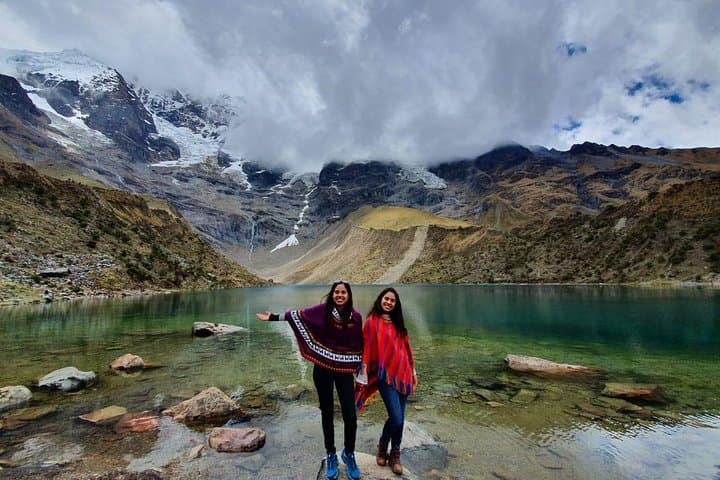
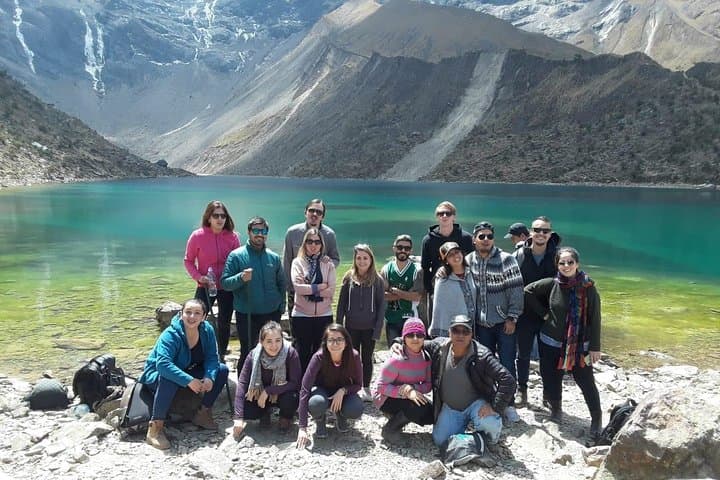
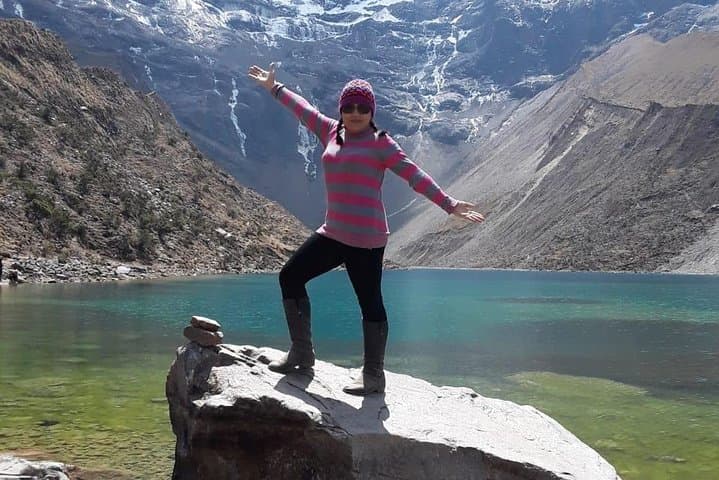
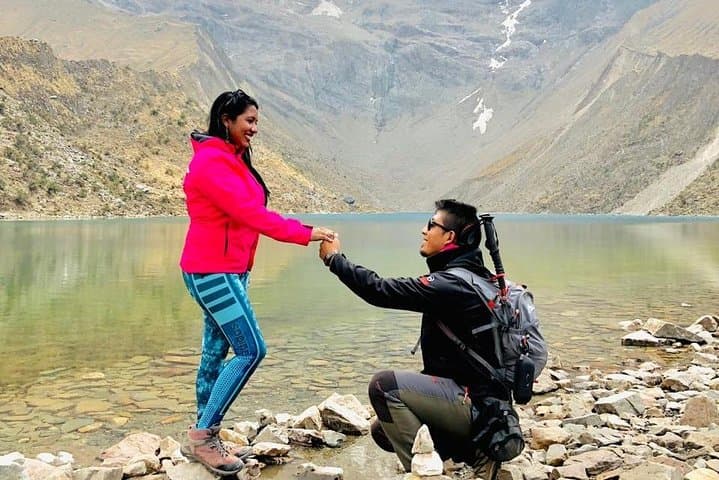
You arrive at Soraypampa when the light is still hard and the trailhead smells of wet earth. The ascent to Laguna Humantay is short and steep—roughly an hour of switchbacks through puna grass and scattered rock—then the lagoon appears, a sudden, crystalline blue cradled under the face of Humantay peak. The water seems to dare the sky to match its color.
Geologically, Humantay is a glacial lake fed by melt from the Vilcabamba/Vilcanota range; the lake sits above tree line and the surrounding moraine and fractured granite tell of recent ice activity. Culturally the area is important to Quechua communities: nearby mountains are treated as apus, or sacred guardians, and local guides often explain traditional offerings and place names.
Practically, expect 1–1.5 hours climbing from Soraypampa with about 350–450 m elevation gain to roughly 4,200 m (13,800 ft). The trail is rocky and can be slippery after rain; altitude and steep grade make the climb feel harder than distance alone suggests. Bring layers, water, sun protection, and let your body set its pace—short, frequent breaks help. Aim to visit early for the best light and fewer crowds; follow your guide’s route, respect local offerings, and pack out any trash. The return is straightforward, and the day typically ends back in Cusco by late afternoon, with memories of that improbable patch of turquoise high on the shoulders of the Andes.
Verified experiences and guided adventures in the surrounding area.
Operated by Dream Adventure Life · Soraypampa, Cusco
Before dawn the bus slips out of Cusco and climbs toward Mollepata; the Andes open in dim, serrated stages and the air thins with every kilometer.
You arrive at Soraypampa when the light is still hard and the trailhead smells of wet earth. The ascent to Laguna Humantay is short and steep—roughly an hour of switchbacks through puna grass and scattered rock—then the lagoon appears, a sudden, crystalline blue cradled under the face of Humantay peak. The water seems to dare the sky to match its color.
Geologically, Humantay is a glacial lake fed by melt from the Vilcabamba/Vilcanota range; the lake sits above tree line and the surrounding moraine and fractured granite tell of recent ice activity. Culturally the area is important to Quechua communities: nearby mountains are treated as apus, or sacred guardians, and local guides often explain traditional offerings and place names.
Practically, expect 1–1.5 hours climbing from Soraypampa with about 350–450 m elevation gain to roughly 4,200 m (13,800 ft). The trail is rocky and can be slippery after rain; altitude and steep grade make the climb feel harder than distance alone suggests. Bring layers, water, sun protection, and let your body set its pace—short, frequent breaks help. Aim to visit early for the best light and fewer crowds; follow your guide’s route, respect local offerings, and pack out any trash. The return is straightforward, and the day typically ends back in Cusco by late afternoon, with memories of that improbable patch of turquoise high on the shoulders of the Andes.
moderate.
10–14 hours.
Moderate fitness; able to handle steep 1-hour climbs at high altitude and several hours of standing and walking.
The ascent takes about 45–75 minutes for most visitors, depending on fitness and acclimatization; the round-trip on the trail is 2–3 hours including photo stops.
Yes—Laguna Humantay sits around 4,200 m (13,800 ft). Spend 24–48 hours in Cusco and avoid heavy exertion beforehand to lower altitude sickness risk.
The trail is short but steep; children accustomed to hiking and older travelers in good health can do it, but it’s not recommended for those with heart or serious back problems.
Early morning light is ideal: calmer winds for clear reflections and fewer people; avoid midday when contrast can be harsh and clouds may roll in.
The lake sits within regions historically traversed by Quechua communities and lies beneath mountains regarded as apus; these peaks play roles in Indigenous cosmology and local seasonal rituals.
The high-puna ecosystem is fragile—stick to trails, avoid disturbing local offerings, and carry out waste; many guides support community-based management to limit erosion and visitor impact.
Dream Adventure Life operates guided outdoor trips and adventures with an emphasis on safety, stewardship, and memorable experiences.
Before dawn the bus slips out of Cusco and climbs toward Mollepata; the Andes open in dim, serrated stages and the air thins with every kilometer.
You arrive at Soraypampa when the light is still hard and the trailhead smells of wet earth. The ascent to Laguna Humantay is short and steep—roughly an hour of switchbacks through puna grass and scattered rock—then the lagoon appears, a sudden, crystalline blue cradled under the face of Humantay peak. The water seems to dare the sky to match its color.
Geologically, Humantay is a glacial lake fed by melt from the Vilcabamba/Vilcanota range; the lake sits above tree line and the surrounding moraine and fractured granite tell of recent ice activity. Culturally the area is important to Quechua communities: nearby mountains are treated as apus, or sacred guardians, and local guides often explain traditional offerings and place names.
Practically, expect 1–1.5 hours climbing from Soraypampa with about 350–450 m elevation gain to roughly 4,200 m (13,800 ft). The trail is rocky and can be slippery after rain; altitude and steep grade make the climb feel harder than distance alone suggests. Bring layers, water, sun protection, and let your body set its pace—short, frequent breaks help. Aim to visit early for the best light and fewer crowds; follow your guide’s route, respect local offerings, and pack out any trash. The return is straightforward, and the day typically ends back in Cusco by late afternoon, with memories of that improbable patch of turquoise high on the shoulders of the Andes.
Before dawn the bus slips out of Cusco and climbs toward Mollepata; the Andes open in dim, serrated stages and the air thins with every kilometer.
You arrive at Soraypampa when the light is still hard and the trailhead smells of wet earth. The ascent to Laguna Humantay is short and steep—roughly an hour of switchbacks through puna grass and scattered rock—then the lagoon appears, a sudden, crystalline blue cradled under the face of Humantay peak. The water seems to dare the sky to match its color.
Geologically, Humantay is a glacial lake fed by melt from the Vilcabamba/Vilcanota range; the lake sits above tree line and the surrounding moraine and fractured granite tell of recent ice activity. Culturally the area is important to Quechua communities: nearby mountains are treated as apus, or sacred guardians, and local guides often explain traditional offerings and place names.
Practically, expect 1–1.5 hours climbing from Soraypampa with about 350–450 m elevation gain to roughly 4,200 m (13,800 ft). The trail is rocky and can be slippery after rain; altitude and steep grade make the climb feel harder than distance alone suggests. Bring layers, water, sun protection, and let your body set its pace—short, frequent breaks help. Aim to visit early for the best light and fewer crowds; follow your guide’s route, respect local offerings, and pack out any trash. The return is straightforward, and the day typically ends back in Cusco by late afternoon, with memories of that improbable patch of turquoise high on the shoulders of the Andes.