THE ADVENTURE COLLECTIVE® · Independent discovery and booking for outdoor travel

Scale the limestone crest of Serra do Risco in Arrábida Natural Park: a 12.7 km guided hike with 381 m of ascent, coastal panoramas and dense Mediterranean scrub. Prepare for exposed ridgelines, wind and compelling views over the Atlantic.
Scale the limestone crest of Serra do Risco in Arrábida Natural Park: a 12.7 km guided hike with 381 m of ascent, coastal panoramas and dense Mediterranean scrub. Prepare for exposed ridgelines, wind and compelling views over the Atlantic.
You start on a quiet village lane, olive trees skirting the road and a guide checking boots. The path climbs through dense Mediterranean scrub—rockroses and cork oaks—then opens onto a crest that reads like a stone wave. After a steady ascent you reach the escarpment edge; the Atlantic unfurls below and cliffs fall away in sheer white limestone. The wind pushes at you; the sea answers with distant foam.
Verified experiences and guided adventures in the surrounding area.
Operated by Andre Marques · Setúbal, Setúbal District
You start on a quiet village lane, olive trees skirting the road and a guide checking boots. The path climbs through dense Mediterranean scrub—rockroses and cork oaks—then opens onto a crest that reads like a stone wave. After a steady ascent you reach the escarpment edge; the Atlantic unfurls below and cliffs fall away in sheer white limestone. The wind pushes at you; the sea answers with distant foam.
Arrábida Natural Park is geologically young limestone folded into dramatic escarpments during the Alpine orogeny, and Serra do Risco’s exposed face is one of the park’s sharpest expressions. The area has long ties to Setúbal’s fishing and winemaking culture: terraced fields and century-old cork oaks tell of human use alongside wild gorges. Guides carry a local flora booklet and point out endemic scrub and traces of past shepherding.
Practical details: the guided route is about 12.7 km round-trip with roughly 381 m of elevation to the crest; expect mixed dirt tracks, rocky switchbacks and short exposed sections that require sure-footedness. The tour runs about seven hours including transfers; backup weather can change wind and visibility quickly. Bring 2–3 liters of water, sturdy hiking shoes with ankle support, layered clothing for wind and sun, and a light first-aid kit. Sunscreen and a brimmed hat are essential April–October. The walk is moderately strenuous—recommended for those with good baseline fitness—and not suitable for people with serious back, heart, or pregnancy restrictions. On clear days the views to the Sado estuary and Arrábida coastline are expansive and worth the effort.
challenging.
7 hours.
Good baseline fitness with prior day hikes; able to manage sustained climbs and uneven terrain for several hours
The guided route is about 12.7 km with roughly 381 m of ascent; the full activity including transfers lasts around seven hours.
The route is guided but rated challenging—good for hikers with prior day-hike experience; it’s not recommended for those with back, heart problems, or pregnancy.
Yes—once you reach the crest the Atlantic opens up dramatically; visibility depends on weather and sea haze.
The trail is remote with no formal services en route; guides typically carry water and snacks, and there may be a village stop before or after the hike.
Arrábida’s limestone was shaped by tectonic uplift and sea action; the park’s valleys supported traditional cork and vine agriculture tied to Setúbal’s maritime economy.
As a designated Natural Park, visitors must stay on trails to protect fragile Mediterranean scrub and endemic plants; follow guide instructions and avoid disturbing nesting birds.
Andre Marques operates guided outdoor trips and adventures with an emphasis on safety, stewardship, and memorable experiences.
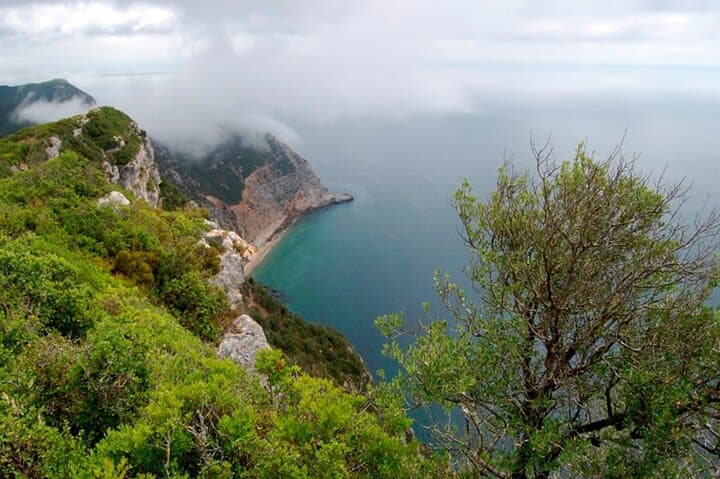
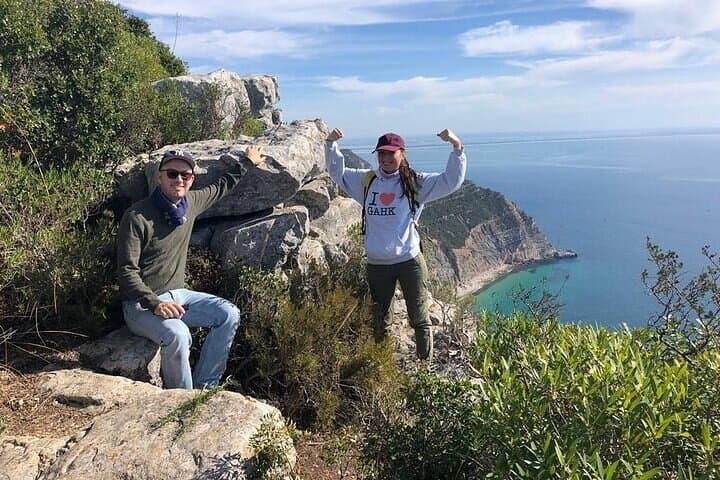
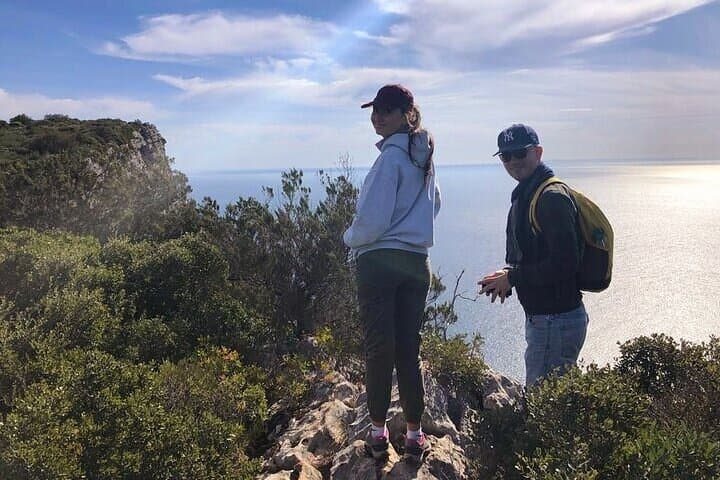
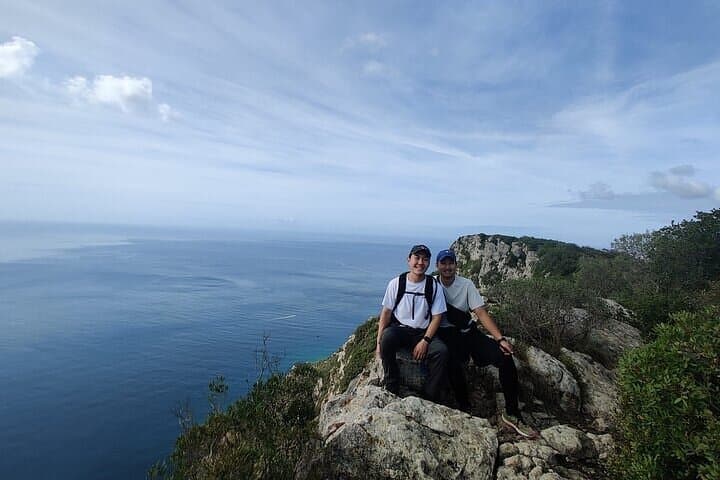
You start on a quiet village lane, olive trees skirting the road and a guide checking boots. The path climbs through dense Mediterranean scrub—rockroses and cork oaks—then opens onto a crest that reads like a stone wave. After a steady ascent you reach the escarpment edge; the Atlantic unfurls below and cliffs fall away in sheer white limestone. The wind pushes at you; the sea answers with distant foam.
You start on a quiet village lane, olive trees skirting the road and a guide checking boots. The path climbs through dense Mediterranean scrub—rockroses and cork oaks—then opens onto a crest that reads like a stone wave. After a steady ascent you reach the escarpment edge; the Atlantic unfurls below and cliffs fall away in sheer white limestone. The wind pushes at you; the sea answers with distant foam.
Arrábida Natural Park is geologically young limestone folded into dramatic escarpments during the Alpine orogeny, and Serra do Risco’s exposed face is one of the park’s sharpest expressions. The area has long ties to Setúbal’s fishing and winemaking culture: terraced fields and century-old cork oaks tell of human use alongside wild gorges. Guides carry a local flora booklet and point out endemic scrub and traces of past shepherding.
Practical details: the guided route is about 12.7 km round-trip with roughly 381 m of elevation to the crest; expect mixed dirt tracks, rocky switchbacks and short exposed sections that require sure-footedness. The tour runs about seven hours including transfers; backup weather can change wind and visibility quickly. Bring 2–3 liters of water, sturdy hiking shoes with ankle support, layered clothing for wind and sun, and a light first-aid kit. Sunscreen and a brimmed hat are essential April–October. The walk is moderately strenuous—recommended for those with good baseline fitness—and not suitable for people with serious back, heart, or pregnancy restrictions. On clear days the views to the Sado estuary and Arrábida coastline are expansive and worth the effort.