THE ADVENTURE COLLECTIVE® · Independent discovery and booking for outdoor travel

Walk a cool, rocky channel through Imbros Gorge, then trade limestone for sand at Frangokastello’s Venetian castle and the Libyan Sea. This full-day guided trip blends an easy 5-mile (8 km) hike with village culture, history and a refreshing swim.
Walk a cool, rocky channel through Imbros Gorge, then trade limestone for sand at Frangokastello’s Venetian castle and the Libyan Sea. This full-day guided trip blends an easy 5-mile (8 km) hike with village culture, history and a refreshing swim.
A caravan of air-conditioned vans unrolls from the coast before dawn, headlights cutting across terraced olive groves as the White Mountains—Lefka Ori—keep their slow vigil above. By midmorning the party steps into a cool crack in the limestone: Imbros Gorge. The walls close in, pockets of shade relieve the heat, and a ribboned trail leads through polished rock, loose scree and unexpected stretches of pine and oleander. The gorge opens and closes like chapters, each bend revealing a new view of crag and light.
Verified experiences and guided adventures in the surrounding area.
Operated by Cretan Holidays · Imbros / Komitades, Crete
A caravan of air-conditioned vans unrolls from the coast before dawn, headlights cutting across terraced olive groves as the White Mountains—Lefka Ori—keep their slow vigil above. By midmorning the party steps into a cool crack in the limestone: Imbros Gorge. The walls close in, pockets of shade relieve the heat, and a ribboned trail leads through polished rock, loose scree and unexpected stretches of pine and oleander. The gorge opens and closes like chapters, each bend revealing a new view of crag and light.
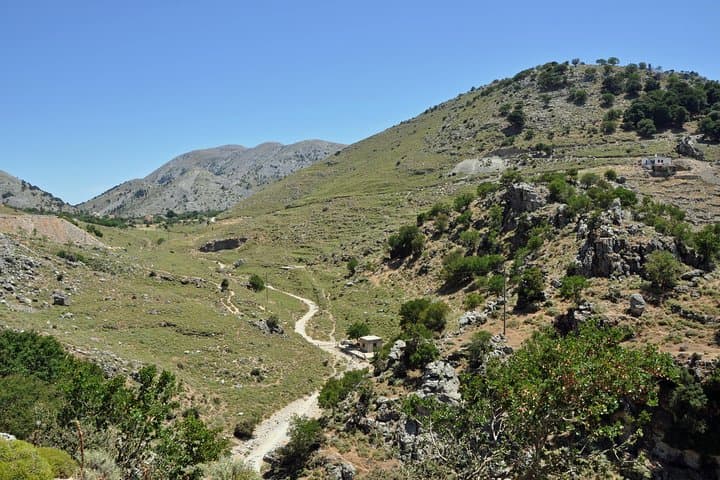
Imbros is a short, accessible cousin to the better-known Samaria Gorge, carved over millennia as streams cut into the island's uplifted limestone. The walk is about 5 miles (8 km) and mostly downhill—rocky footing at times, but not technical—so it’s an ideal introduction to Cretan gorges for hikers of moderate fitness. Along the route you pass small settlements—Vrisses, Askifou and finally Komitades—where stone houses and narrow lanes still follow patterns set centuries ago. The guide shares local stories: Ottoman raids, shepherding routes, and how the gorge kept communities connected when roads did not.
After the hike, the day pivots from mountain to coast. A short drive drops you at Frangokastello, a low-slung Venetian fortress planted on a sweep of sand and exposed to the Libyan Sea. The 14th-century castle was a Venetian garrison meant to control the hinterland; today its ramparts frame swimmers and photographers instead of soldiers. The sea here is warm and clear—an effective reset after hours on limestone—and a reminder that Crete’s diversity is compact: mountains that drop into Mediterranean blue within an afternoon.
Practicalities are tautly arranged: hotel pickup and drop-off in air-conditioned vehicles, an experienced local guide, and a pace that leaves time for lunch in Komitades (not included). Hikers should expect uneven ground, sections of loose rock and sun on exposed benches. Bring sturdy shoes, 1.5–2 liters of water, sun protection and a towel for the swim. The trip is a full day—roughly 11 hours including transfers—so plan accordingly.
For travelers who want a manageable, scenic gorge with cultural stops and a seaside finish, Imbros plus Frangokastello offers a compact portrait of Crete: limestone sculpture, village life, Venetian history and a Libyan Sea swim to close the loop.
moderate.
Full day (approx. 11 hours including transfers).
Good for travelers with moderate fitness—able to walk 5 miles (8 km) over uneven ground and climb short steps.
The gorge walk is about 5 miles (8 km) and typically takes 3–4 hours depending on pace and stops.
The trail is non-technical but uneven; it’s suitable for beginners with moderate fitness—children who can handle a few hours of walking on rocky ground should be fine.
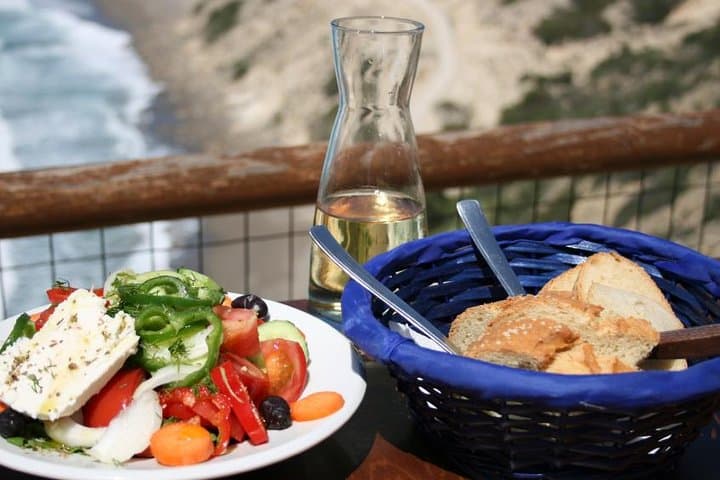
No—there’s free time in Komitades to buy a leisurely Cretan lunch at local tavernas.
Yes—after visiting Frangokastello you’ll have time to swim in the Libyan Sea, so bring swimwear and a towel.
Hotel pickup and drop-off are included from stated zones; pickup is typically about 45 minutes before departure time listed for your zone.
Facilities are limited on the trail; plan to use restrooms in the starting point or villages and carry hand sanitizer.
Frangokastello is a 14th-century Venetian fortress built as a garrison to control inland populations; the area bears layers of Venetian and Ottoman-era history.
Stick to marked paths to limit erosion in the gorge; support local guides and tavernas—sustainable tourism helps maintain trails and village economies.
Cretan Holidays operates guided outdoor trips and adventures with an emphasis on safety, stewardship, and memorable experiences.
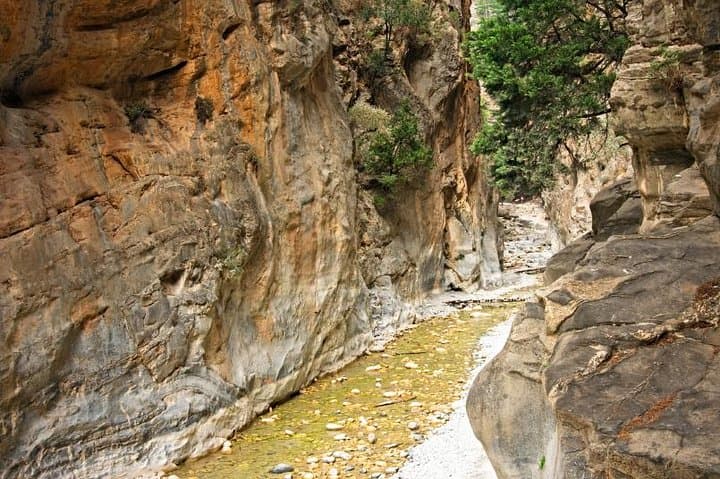
A caravan of air-conditioned vans unrolls from the coast before dawn, headlights cutting across terraced olive groves as the White Mountains—Lefka Ori—keep their slow vigil above. By midmorning the party steps into a cool crack in the limestone: Imbros Gorge. The walls close in, pockets of shade relieve the heat, and a ribboned trail leads through polished rock, loose scree and unexpected stretches of pine and oleander. The gorge opens and closes like chapters, each bend revealing a new view of crag and light.
A caravan of air-conditioned vans unrolls from the coast before dawn, headlights cutting across terraced olive groves as the White Mountains—Lefka Ori—keep their slow vigil above. By midmorning the party steps into a cool crack in the limestone: Imbros Gorge. The walls close in, pockets of shade relieve the heat, and a ribboned trail leads through polished rock, loose scree and unexpected stretches of pine and oleander. The gorge opens and closes like chapters, each bend revealing a new view of crag and light.
Imbros is a short, accessible cousin to the better-known Samaria Gorge, carved over millennia as streams cut into the island's uplifted limestone. The walk is about 5 miles (8 km) and mostly downhill—rocky footing at times, but not technical—so it’s an ideal introduction to Cretan gorges for hikers of moderate fitness. Along the route you pass small settlements—Vrisses, Askifou and finally Komitades—where stone houses and narrow lanes still follow patterns set centuries ago. The guide shares local stories: Ottoman raids, shepherding routes, and how the gorge kept communities connected when roads did not.
After the hike, the day pivots from mountain to coast. A short drive drops you at Frangokastello, a low-slung Venetian fortress planted on a sweep of sand and exposed to the Libyan Sea. The 14th-century castle was a Venetian garrison meant to control the hinterland; today its ramparts frame swimmers and photographers instead of soldiers. The sea here is warm and clear—an effective reset after hours on limestone—and a reminder that Crete’s diversity is compact: mountains that drop into Mediterranean blue within an afternoon.
Practicalities are tautly arranged: hotel pickup and drop-off in air-conditioned vehicles, an experienced local guide, and a pace that leaves time for lunch in Komitades (not included). Hikers should expect uneven ground, sections of loose rock and sun on exposed benches. Bring sturdy shoes, 1.5–2 liters of water, sun protection and a towel for the swim. The trip is a full day—roughly 11 hours including transfers—so plan accordingly.
For travelers who want a manageable, scenic gorge with cultural stops and a seaside finish, Imbros plus Frangokastello offers a compact portrait of Crete: limestone sculpture, village life, Venetian history and a Libyan Sea swim to close the loop.