THE ADVENTURE COLLECTIVE® · Independent discovery and booking for outdoor travel

A demanding half-day climb in Wadi Rum that finishes on one of the desert’s highest natural arches. This guided hike combines technical scrambling, Bedouin hospitality, and sweeping desert panoramas—ideal for hikers who want a full-day adventure with culture and great photo opportunities.
A demanding half-day climb in Wadi Rum that finishes on one of the desert’s highest natural arches. This guided hike combines technical scrambling, Bedouin hospitality, and sweeping desert panoramas—ideal for hikers who want a full-day adventure with culture and great photo opportunities.
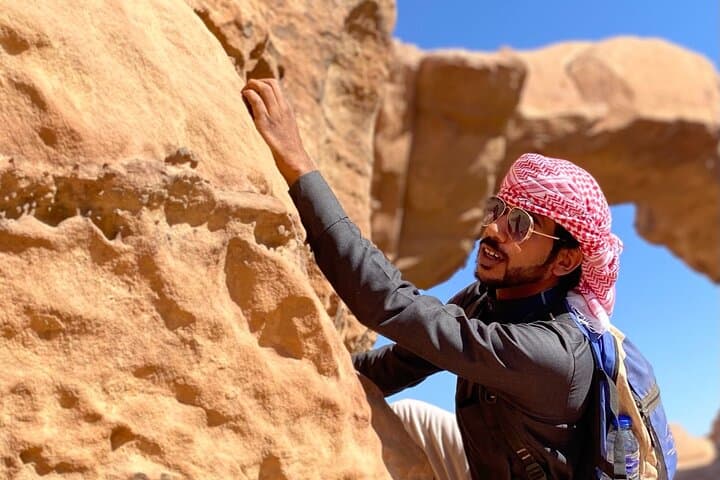
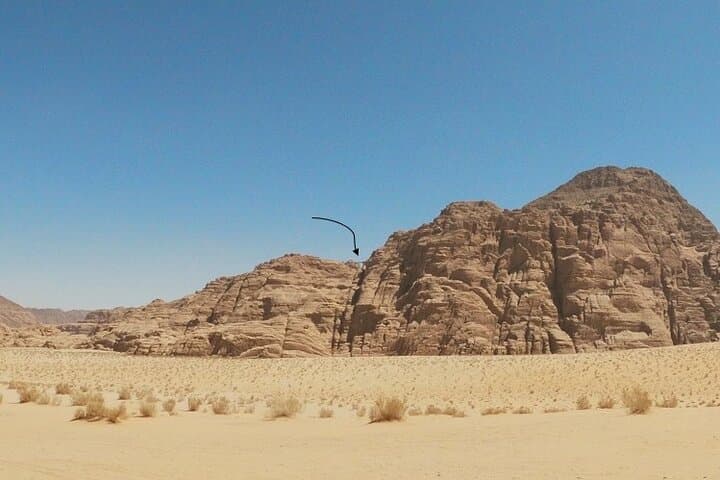
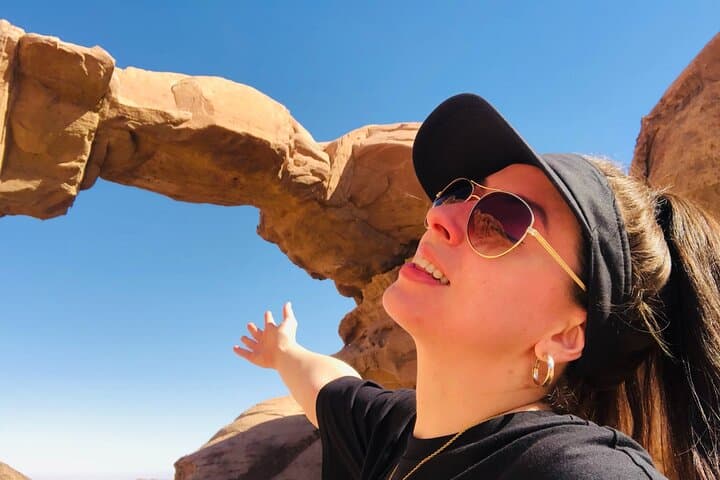
You leave the Rest House in Wadi Rum Village with dust on your boots and a Bedouin guide at your shoulder. The desert opens like a slow-motion reveal: sandstone towers that lean and wrinkle, dunes that breathe in the heat, and a horizon that seems to push everything into silhouette. The trail to Burdah Rock Bridge forces a rhythm—stepping, testing handholds, pausing for breath—until the rock narrows and the bridge appears, not as a postcard prop but as a raw, wind-sculpted spine you can walk across.
Verified experiences and guided adventures in the surrounding area.
Operated by Wadi Rum Desert Dreams · Wadi Rum Village, Aqaba Governorate
You leave the Rest House in Wadi Rum Village with dust on your boots and a Bedouin guide at your shoulder. The desert opens like a slow-motion reveal: sandstone towers that lean and wrinkle, dunes that breathe in the heat, and a horizon that seems to push everything into silhouette. The trail to Burdah Rock Bridge forces a rhythm—stepping, testing handholds, pausing for breath—until the rock narrows and the bridge appears, not as a postcard prop but as a raw, wind-sculpted spine you can walk across.
Geologically, Wadi Rum is a record of deep time. Wind and flash flood have cut the sandstone into ribs and arches; Burdah Bridge sits high—around 1,300 meters in the greater massif—where repeated erosion has hollowed the weaker strata until an arch remains. Culturally, the landscape belongs to the Bedouin. A climb here is also a lesson: your guide will point out plant species adapted to the dry heat, tell stories of families who read the desert for water, and brew tea on flat stones while the afternoon light softens the red sand.
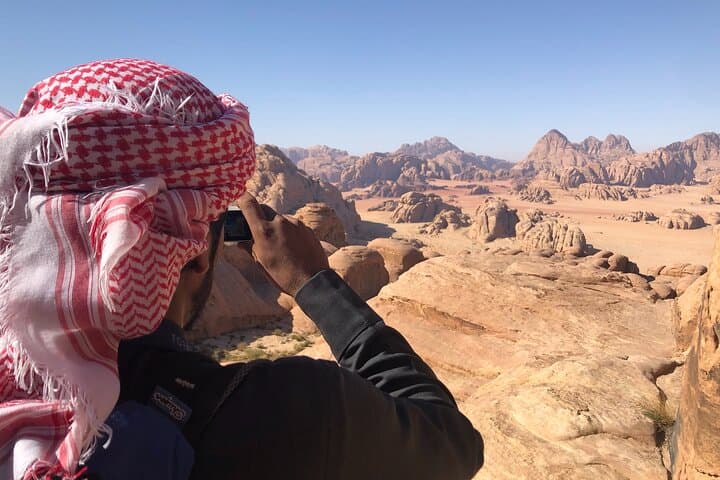
The hike itself blends route-finding, scrambling, and short moves that feel like climbing without ropes. Sections are steep and exposed; the limestone and sandstone offer good friction but can be crumbly in places. At the top the bridge rewards you with wide views that make human scale feel small—valleys and parallel ridges, the soft white of the distant desert contrasting with the red closer by. Your guide prepares a traditional lunch by the rocks: warm bread, hummus, stewed vegetables, and tea, a simple feast that tastes of the place.
Practicalities matter. The full experience runs most of a day—expect an 8–9 hour outing when you factor in pickups, stops, and the sunset viewpoint at Um Sabatah. Wear shoes with sticky soles, carry at least 1.5–2 liters of water, and be honest about vertigo or back issues; some scrambling is unavoidable. Morning departures avoid the worst heat; late afternoons make for golden light but tighter climbing windows.
Conservation and safety are part of the story too. Wadi Rum is protected, and low-impact behavior—pack out waste, stick to trails where possible, and respect Bedouin camps—is essential. The landscape can be severe; weather can change quickly and guides will cancel tours in unsafe conditions.
For travelers wanting desert drama with a dose of physical challenge, Burdah Bridge is a compact, visceral way to meet Wadi Rum: a place where rock dares you up, and the view obliges.
challenging.
8–9 hours.
Good aerobic fitness and comfort with exposed scrambling; regular hikers will find the pace steady but sustained.
No ropes are required and guides lead the route, but you should be comfortable with exposure and moderate scrambling.
The main ascent and time at the top typically take 2–3 hours, though the full tour including transfers and other stops is about 8–9 hours.
Spring and autumn offer the most comfortable temperatures; summers are hot and winters can be windy and cool.
Shade is limited; the guide will supply bottled water and Bedouin tea, but bring your own extra supply.
The tour is not recommended for very young children or anyone with spinal or serious mobility issues due to exposed scrambling.
Yes—guides will cancel for unsafe conditions like heavy rain or high winds; you qualify for a refund if cancelled per policy.
Wadi Rum has been inhabited by Bedouin tribes for millennia and was a strategic and cultural backdrop in Lawrence of Arabia’s journeys.
Wadi Rum is a protected area; visitors should minimize impact by staying on routes, packing out trash, and using local guides who follow park rules.
Wadi Rum Desert Dreams operates guided outdoor trips and adventures with an emphasis on safety, stewardship, and memorable experiences.
You leave the Rest House in Wadi Rum Village with dust on your boots and a Bedouin guide at your shoulder. The desert opens like a slow-motion reveal: sandstone towers that lean and wrinkle, dunes that breathe in the heat, and a horizon that seems to push everything into silhouette. The trail to Burdah Rock Bridge forces a rhythm—stepping, testing handholds, pausing for breath—until the rock narrows and the bridge appears, not as a postcard prop but as a raw, wind-sculpted spine you can walk across.
You leave the Rest House in Wadi Rum Village with dust on your boots and a Bedouin guide at your shoulder. The desert opens like a slow-motion reveal: sandstone towers that lean and wrinkle, dunes that breathe in the heat, and a horizon that seems to push everything into silhouette. The trail to Burdah Rock Bridge forces a rhythm—stepping, testing handholds, pausing for breath—until the rock narrows and the bridge appears, not as a postcard prop but as a raw, wind-sculpted spine you can walk across.
Geologically, Wadi Rum is a record of deep time. Wind and flash flood have cut the sandstone into ribs and arches; Burdah Bridge sits high—around 1,300 meters in the greater massif—where repeated erosion has hollowed the weaker strata until an arch remains. Culturally, the landscape belongs to the Bedouin. A climb here is also a lesson: your guide will point out plant species adapted to the dry heat, tell stories of families who read the desert for water, and brew tea on flat stones while the afternoon light softens the red sand.
The hike itself blends route-finding, scrambling, and short moves that feel like climbing without ropes. Sections are steep and exposed; the limestone and sandstone offer good friction but can be crumbly in places. At the top the bridge rewards you with wide views that make human scale feel small—valleys and parallel ridges, the soft white of the distant desert contrasting with the red closer by. Your guide prepares a traditional lunch by the rocks: warm bread, hummus, stewed vegetables, and tea, a simple feast that tastes of the place.
Practicalities matter. The full experience runs most of a day—expect an 8–9 hour outing when you factor in pickups, stops, and the sunset viewpoint at Um Sabatah. Wear shoes with sticky soles, carry at least 1.5–2 liters of water, and be honest about vertigo or back issues; some scrambling is unavoidable. Morning departures avoid the worst heat; late afternoons make for golden light but tighter climbing windows.
Conservation and safety are part of the story too. Wadi Rum is protected, and low-impact behavior—pack out waste, stick to trails where possible, and respect Bedouin camps—is essential. The landscape can be severe; weather can change quickly and guides will cancel tours in unsafe conditions.
For travelers wanting desert drama with a dose of physical challenge, Burdah Bridge is a compact, visceral way to meet Wadi Rum: a place where rock dares you up, and the view obliges.