THE ADVENTURE COLLECTIVE® · Independent discovery and booking for outdoor travel

Walk through centuries-old coihue forest before launching on a tandem paragliding flight above Bariloche’s lakes. This combined hike-and-fly trip balances a three-hour uphill trek with a 20–30 minute aerial view that leaves you both tired and exhilarated.
Walk through centuries-old coihue forest before launching on a tandem paragliding flight above Bariloche’s lakes. This combined hike-and-fly trip balances a three-hour uphill trek with a 20–30 minute aerial view that leaves you both tired and exhilarated.
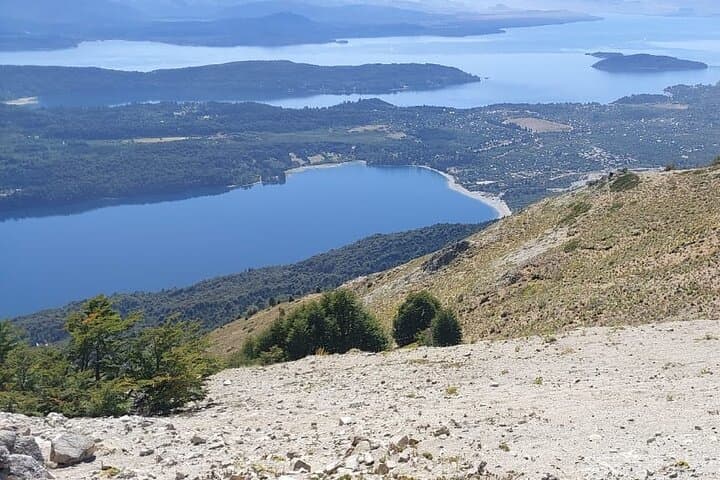
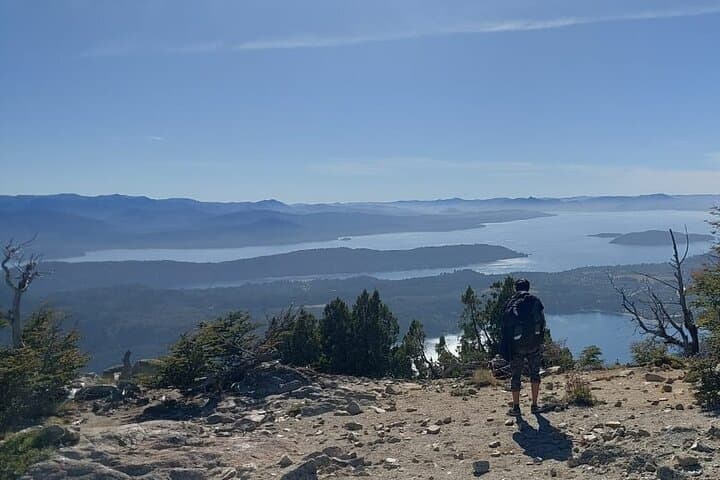
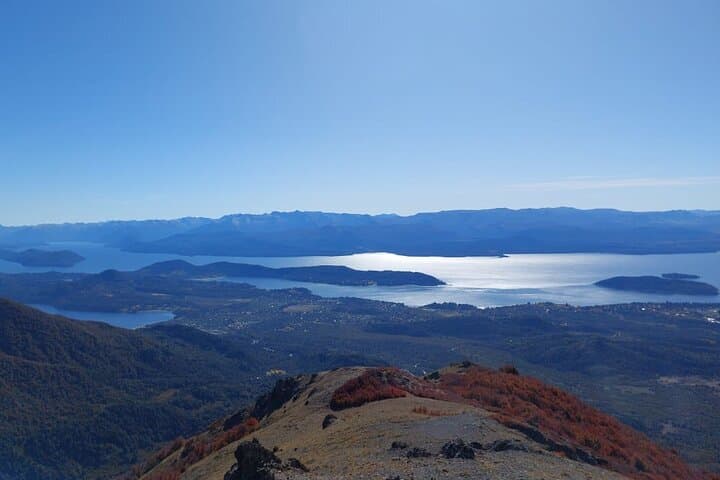
A thin, cold wind moves through the coihue crowns as the group sets off from the transfer van—light crunch of gravel, the smell of damp leaf litter and a horizon of serrated peaks sharpening above the lake. The trail climbs steadily from a modest trailhead near Cerro Otto, threading through a forest that looks older than the town below: trunks ringed with lichen, trunks bowed by snow, understory alive with low ferns and the furtive calls of birds. After two to three hours of steady upward walking the ridge opens, and for a moment the hard work falls away beneath a panoramic sweep of Bariloche’s lakes and volcano-carved summits.
Verified experiences and guided adventures in the surrounding area.
Operated by Bariloche paragliding · San Carlos de Bariloche, Río Negro
A thin, cold wind moves through the coihue crowns as the group sets off from the transfer van—light crunch of gravel, the smell of damp leaf litter and a horizon of serrated peaks sharpening above the lake. The trail climbs steadily from a modest trailhead near Cerro Otto, threading through a forest that looks older than the town below: trunks ringed with lichen, trunks bowed by snow, understory alive with low ferns and the furtive calls of birds. After two to three hours of steady upward walking the ridge opens, and for a moment the hard work falls away beneath a panoramic sweep of Bariloche’s lakes and volcano-carved summits.
This stretch of northern Patagonia is shaped by ice and fire. Glacial sculpting left steep valleys and a scatter of glacial lakes; the soil, shallow and stony, supports coihue (Nothofagus dombeyi) and other southern beech species. Human stories here run from Mapuche stewardship of the forests to the 20th-century boom in alpine tourism when cable cars and chalets began to dot the slopes. The flight itself offers a fresh layer of perspective—seeing the skeleton of landscapes that were once navigated on foot and horse, now read like a topographic map from the sky.
The paragliding portion is tandem and guided: pilots launch from the ridge and ride the same thermals that the Andean condor exploits, dropping toward the sandy curve of Lago Moreno where landings are staged. The operator films much of the experience, meaning your ascent and the flight get preserved without extra effort.
Practical guidance is straightforward. Expect a 2.5–3 hour uphill walk on singletrack that’s rooty and rocky in places, with an estimated 400–600 m of ascent depending on the route. Wear sturdy hiking boots, bring 1–2 liters of water and layered clothing—the wind on the ridge can be far colder than at the trailhead. Disclose your weight accurately when booking: paragliding safety and harness fitting depend on it. The whole experience, including transfers, briefing and the flight, takes about 4–5 hours; operators cancel in bad weather for safety, so plan a buffer day in your itinerary.
For travelers, this is an accessible slice of Patagonian adventure: a forested approach that rewards with high-angle exposures and a short, adrenaline-rich flight. Leave no trace on the trail, keep noise low near nesting birds, and you’ll finish back at the cable car with mud on your boots, a memorized skyline, and a new sense of how the mountains here both invite and test those who try them.
moderate.
4–5 hours.
Expect steady uphill hiking for 2.5–3 hours; good cardiovascular fitness and stable ankles recommended.
Tandem flights last roughly 20–30 minutes, depending on conditions and thermals that day.
No—this is a tandem flight with a certified pilot; only basic hiking fitness is required.
Limits vary by operator; you must provide weight and height at booking—check ahead if you are near common cutoffs.
Yes—flights are weather-dependent and operators will cancel in unsafe wind or visibility conditions with full refund if canceled 24+ hours prior.
Meeting is at the Cerro Otto cable car area (Pioneros Ave km 5); the landing is near Lago Moreno, with return transfers included.
The hike is moderate: 2.5–3 hours uphill on uneven trail. Beginners with regular walking fitness should manage it with reasonable breaks.
The slopes around Bariloche have long been part of Mapuche territory; 20th-century alpine tourism then layered cable cars and chalets onto the landscape.
Coihue forests are sensitive to trampling and erosion—stick to marked trails, pack out waste, and avoid disturbing nesting birds during spring.
Bariloche paragliding operates guided outdoor trips and adventures with an emphasis on safety, stewardship, and memorable experiences.
A thin, cold wind moves through the coihue crowns as the group sets off from the transfer van—light crunch of gravel, the smell of damp leaf litter and a horizon of serrated peaks sharpening above the lake. The trail climbs steadily from a modest trailhead near Cerro Otto, threading through a forest that looks older than the town below: trunks ringed with lichen, trunks bowed by snow, understory alive with low ferns and the furtive calls of birds. After two to three hours of steady upward walking the ridge opens, and for a moment the hard work falls away beneath a panoramic sweep of Bariloche’s lakes and volcano-carved summits.
A thin, cold wind moves through the coihue crowns as the group sets off from the transfer van—light crunch of gravel, the smell of damp leaf litter and a horizon of serrated peaks sharpening above the lake. The trail climbs steadily from a modest trailhead near Cerro Otto, threading through a forest that looks older than the town below: trunks ringed with lichen, trunks bowed by snow, understory alive with low ferns and the furtive calls of birds. After two to three hours of steady upward walking the ridge opens, and for a moment the hard work falls away beneath a panoramic sweep of Bariloche’s lakes and volcano-carved summits.
This stretch of northern Patagonia is shaped by ice and fire. Glacial sculpting left steep valleys and a scatter of glacial lakes; the soil, shallow and stony, supports coihue (Nothofagus dombeyi) and other southern beech species. Human stories here run from Mapuche stewardship of the forests to the 20th-century boom in alpine tourism when cable cars and chalets began to dot the slopes. The flight itself offers a fresh layer of perspective—seeing the skeleton of landscapes that were once navigated on foot and horse, now read like a topographic map from the sky.
The paragliding portion is tandem and guided: pilots launch from the ridge and ride the same thermals that the Andean condor exploits, dropping toward the sandy curve of Lago Moreno where landings are staged. The operator films much of the experience, meaning your ascent and the flight get preserved without extra effort.
Practical guidance is straightforward. Expect a 2.5–3 hour uphill walk on singletrack that’s rooty and rocky in places, with an estimated 400–600 m of ascent depending on the route. Wear sturdy hiking boots, bring 1–2 liters of water and layered clothing—the wind on the ridge can be far colder than at the trailhead. Disclose your weight accurately when booking: paragliding safety and harness fitting depend on it. The whole experience, including transfers, briefing and the flight, takes about 4–5 hours; operators cancel in bad weather for safety, so plan a buffer day in your itinerary.
For travelers, this is an accessible slice of Patagonian adventure: a forested approach that rewards with high-angle exposures and a short, adrenaline-rich flight. Leave no trace on the trail, keep noise low near nesting birds, and you’ll finish back at the cable car with mud on your boots, a memorized skyline, and a new sense of how the mountains here both invite and test those who try them.