THE ADVENTURE COLLECTIVE® · Independent discovery and booking for outdoor travel

Escape Edinburgh for a tailored day through the Highlands—Loch Lomond, Rannoch Moor, Glencoe, and photo stops at Kilchurn and Inveraray Castle. This private tour pairs flexible pacing with expert local insight and plenty of picture-perfect moments.
Escape Edinburgh for a tailored day through the Highlands—Loch Lomond, Rannoch Moor, Glencoe, and photo stops at Kilchurn and Inveraray Castle. This private tour pairs flexible pacing with expert local insight and plenty of picture-perfect moments.
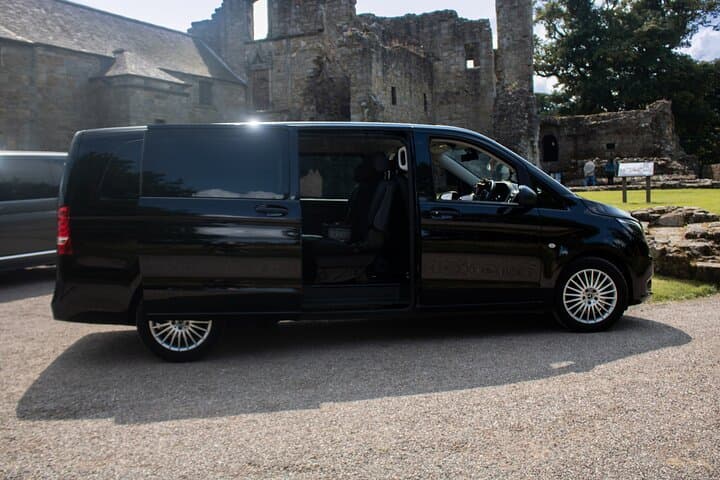
The road out of Edinburgh slips away like a ribbon of slate under a Mercedes grille, and within an hour the city’s chimneys and Georgian terraces are a distant geometry. The van threads through patchwork fields, then opens onto water—Loch Lomond flattening the sky into a slate sheet, lochside cottages reflected like small promises. A farmer’s herd of Highland cows, with their tufted forelocks and slow, patient gaze, will pause for your camera as if posing by design.
Verified experiences and guided adventures in the surrounding area.
Operated by Caledonian Tours · Edinburgh, Scotland
The road out of Edinburgh slips away like a ribbon of slate under a Mercedes grille, and within an hour the city’s chimneys and Georgian terraces are a distant geometry. The van threads through patchwork fields, then opens onto water—Loch Lomond flattening the sky into a slate sheet, lochside cottages reflected like small promises. A farmer’s herd of Highland cows, with their tufted forelocks and slow, patient gaze, will pause for your camera as if posing by design.
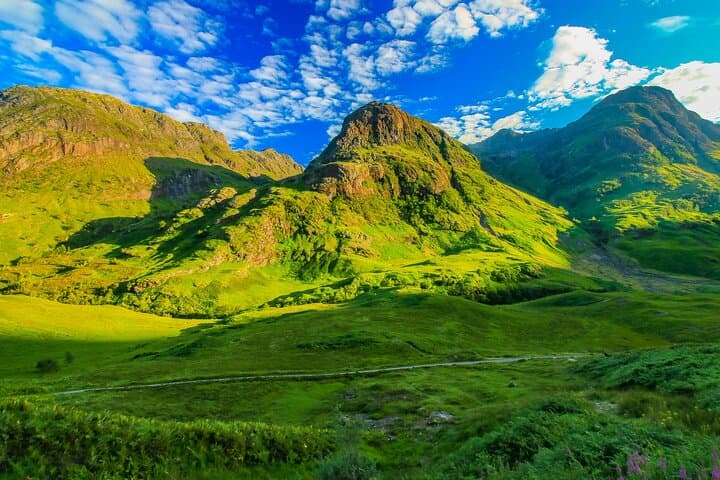
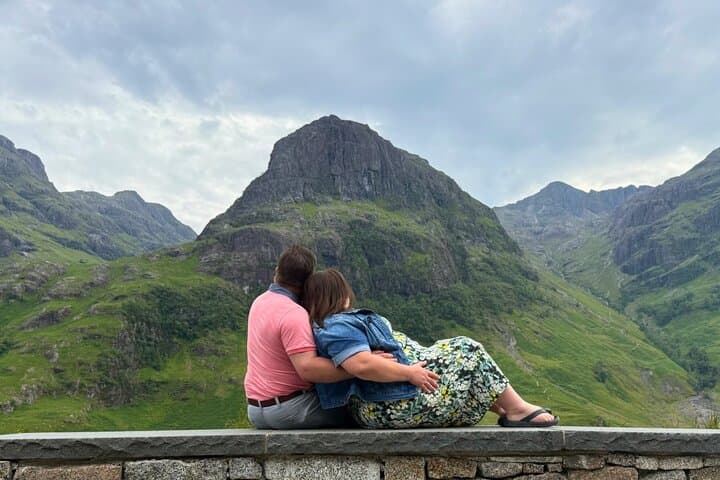
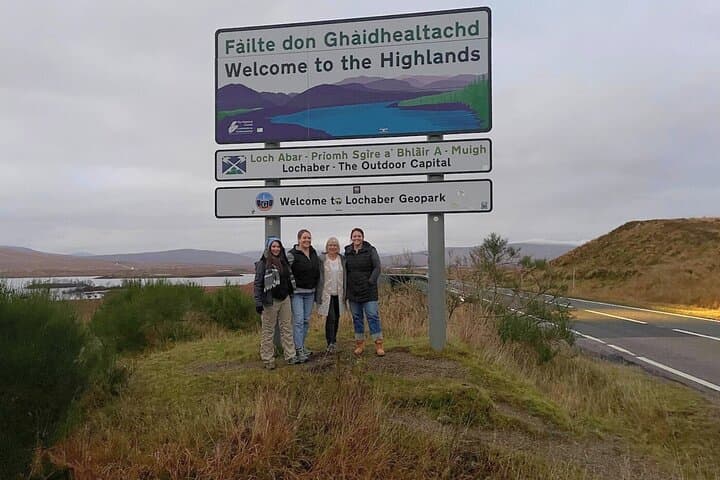
This is a day designed for the geography of dramatic transitions: lowland pastures give way to the steep, volcanic ridges of the Highlands. The drive follows layers of history and geology—along the Highland Boundary Fault where terrain shifts and the landscape tilts toward Rannoch Moor, a vast blanket of peat and heather shaped by glaciers. Glencoe’s cliffs and the Three Sisters carved by ice and time dare you to stand and measure your smallness against a place that has known both natural ferocity and human tragedy.
Castles on this route read like chapters of Scottish power. Inveraray Castle, home to the Dukes of Argyll and clan Campbell, announces status with formal gardens and baroque stone. Kilchurn Castle crouches mid-1400s on Loch Awe, its ruin offering a raw, ruinous silhouette where light fractures across calm water. St. Conan’s Kirk near the loch is a Victorian curiosity—architectural experiments and carvings tucked into a quiet lochside setting.
Culture here is tactile: grit in the road, peat-smoke notes in the air, and small cafes serving shortbread and strong coffee. The driver-guide will point out the Kelpies—100-foot forged horses that rise like steel waves—and tell local stories that anchor place names and battlefields to people.
Practicalities matter on a long day of stops. The tour runs roughly 10 hours with driving built into the schedule; expect multiple short walks—uneven ground around ruins and viewpoints. Entrance fees to Inveraray and Doune are optional; bring cash or card. Toilets and cafés are available at most stops, but snacks in the van and a refillable water bottle are useful. Weather can change fast: a waterproof shell and layered clothing will keep you comfortable. If you want a specific focus—photography, genealogy, or castle interiors—tell your guide when booking; the route is private and flexible.
By dusk the van eases back toward Edinburgh with a different light, and the Highlands seem to fold themselves away like maps returned to a drawer. You’ll come back with photographs—looming mountains, a lone turret reflected in a loch, a shaggy coo—and a clearer sense of why these roads have been travelled for centuries.
easy.
10 hours.
Suitable for most fitness levels—touring is primarily by vehicle with several short walks over uneven ground.
Pickup and drop-off are offered across Edinburgh hotels and addresses—provide your pickup point when booking; return is to your original pickup location.
Castle and garden admissions (e.g., Inveraray, Doune) are optional and not included; you can pay on site if you wish to enter.
Yes; infant seats are available and attractions are family-friendly, though some ruins have uneven ground not ideal for strollers.
This is a private tour and can be tailored—discuss priorities with your guide in advance or on the day to adjust timing.
Most stops involve short walks of 10–30 minutes on variable terrain; overall exertion is low but expect stairs and uneven surfaces.
Summer (June–August) offers longer daylight and milder temperatures, but weather is variable year-round—book early for peak-season dates.
This route threads sites tied to clan histories (notably Clan Campbell at Inveraray) and contested landscapes where Jacobite and clan stories unfolded.
Rannoch Moor’s peatlands are fragile—stick to roads and marked paths to avoid damaging vegetation; local operators support low-impact travel practices.
Caledonian Tours operates guided outdoor trips and adventures with an emphasis on safety, stewardship, and memorable experiences.
The road out of Edinburgh slips away like a ribbon of slate under a Mercedes grille, and within an hour the city’s chimneys and Georgian terraces are a distant geometry. The van threads through patchwork fields, then opens onto water—Loch Lomond flattening the sky into a slate sheet, lochside cottages reflected like small promises. A farmer’s herd of Highland cows, with their tufted forelocks and slow, patient gaze, will pause for your camera as if posing by design.
The road out of Edinburgh slips away like a ribbon of slate under a Mercedes grille, and within an hour the city’s chimneys and Georgian terraces are a distant geometry. The van threads through patchwork fields, then opens onto water—Loch Lomond flattening the sky into a slate sheet, lochside cottages reflected like small promises. A farmer’s herd of Highland cows, with their tufted forelocks and slow, patient gaze, will pause for your camera as if posing by design.
This is a day designed for the geography of dramatic transitions: lowland pastures give way to the steep, volcanic ridges of the Highlands. The drive follows layers of history and geology—along the Highland Boundary Fault where terrain shifts and the landscape tilts toward Rannoch Moor, a vast blanket of peat and heather shaped by glaciers. Glencoe’s cliffs and the Three Sisters carved by ice and time dare you to stand and measure your smallness against a place that has known both natural ferocity and human tragedy.
Castles on this route read like chapters of Scottish power. Inveraray Castle, home to the Dukes of Argyll and clan Campbell, announces status with formal gardens and baroque stone. Kilchurn Castle crouches mid-1400s on Loch Awe, its ruin offering a raw, ruinous silhouette where light fractures across calm water. St. Conan’s Kirk near the loch is a Victorian curiosity—architectural experiments and carvings tucked into a quiet lochside setting.
Culture here is tactile: grit in the road, peat-smoke notes in the air, and small cafes serving shortbread and strong coffee. The driver-guide will point out the Kelpies—100-foot forged horses that rise like steel waves—and tell local stories that anchor place names and battlefields to people.
Practicalities matter on a long day of stops. The tour runs roughly 10 hours with driving built into the schedule; expect multiple short walks—uneven ground around ruins and viewpoints. Entrance fees to Inveraray and Doune are optional; bring cash or card. Toilets and cafés are available at most stops, but snacks in the van and a refillable water bottle are useful. Weather can change fast: a waterproof shell and layered clothing will keep you comfortable. If you want a specific focus—photography, genealogy, or castle interiors—tell your guide when booking; the route is private and flexible.
By dusk the van eases back toward Edinburgh with a different light, and the Highlands seem to fold themselves away like maps returned to a drawer. You’ll come back with photographs—looming mountains, a lone turret reflected in a loch, a shaggy coo—and a clearer sense of why these roads have been travelled for centuries.