THE ADVENTURE COLLECTIVE® · Independent discovery and booking for outdoor travel

Cycle through basalt cliffs, glide past hippos on a Lake Naivasha boat ride, then spend a morning tracking rhinos and flamingos at Lake Nakuru. This overnight Rift Valley loop packs geology, birdlife and hands-on adventure into 48 hours.
Cycle through basalt cliffs, glide past hippos on a Lake Naivasha boat ride, then spend a morning tracking rhinos and flamingos at Lake Nakuru. This overnight Rift Valley loop packs geology, birdlife and hands-on adventure into 48 hours.
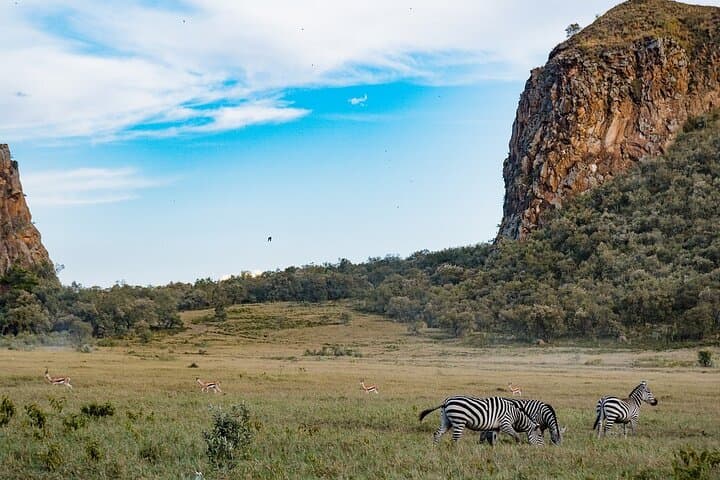
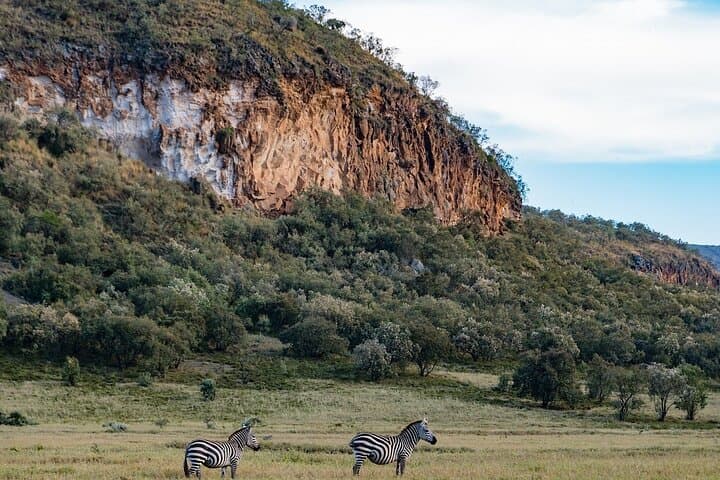
The first light breaks over the Great Rift Valley and the road out of Nairobi tightens into a ribbon of ochre and dust. By the time the tour car pulls into Hell’s Gate’s gatehouse the cliffs have warmed from charcoal to rust—sheer volcanic walls that seem to dare you to come closer. You swap the safari vehicle for a bike, feet finding rhythm on gravel as wind pushes you through wide, grassy plains. Cliffs lean overhead; steam vents and hot springs remind you this landscape is still being shaped.
Verified experiences and guided adventures in the surrounding area.
Operated by Wild Bond Tours and Safaris · Nakuru, Nakuru County
The first light breaks over the Great Rift Valley and the road out of Nairobi tightens into a ribbon of ochre and dust. By the time the tour car pulls into Hell’s Gate’s gatehouse the cliffs have warmed from charcoal to rust—sheer volcanic walls that seem to dare you to come closer. You swap the safari vehicle for a bike, feet finding rhythm on gravel as wind pushes you through wide, grassy plains. Cliffs lean overhead; steam vents and hot springs remind you this landscape is still being shaped.
Hell’s Gate is one of East Africa’s few parks where people move on foot or by pedal alongside wildlife. The geology is direct: Rift Valley faults, exposed phonolitic and trachytic cliffs, and narrow gorges carved by erosion after ancient volcanic flows. The biking loop in the park is compact—roughly 8–12 km of mixed gravel and packed earth—and the guides route you through short climbs and flat stretches that open onto dramatic gorge walls. After two hours on the saddle you leave the bikes and walk into a gorge: cool shade, small caves, and rock formations that fall away to reveal the valley like a cross-section of time.
A short drive takes you to Lake Naivasha, a freshwater lake whose sheltered bays host hippos and hundreds of bird species. A one-hour boat ride here is quiet and intimate: the captain points out fish eagles, cormorants and the occasional flash of kingfisher while hippos surface in slow, shimmering groups.
On day two the program moves northwest to Lake Nakuru National Park—a shallow, alkaline lake ringed by acacia woodland and grassland. Nakuru is famous as a rhino sanctuary and historically a gathering place for vast flocks of flamingos (their numbers fluctuate with water chemistry). Game drives here are best early: the park’s roads cover 40–60 km of viewing area during a half-day drive, and a skilled guide will connect you with rhino sightings, grazing giraffes and the odd leopard track.
Practical edge: the route between Nairobi, Naivasha and Nakuru is mostly sealed highway; expect 1.5–2 hours to Naivasha and another 1–1.5 hours to Nakuru depending on traffic. Elevations sit between roughly 1,700–2,100 m—sun can be strong but mornings are crisp.
Pack a refillable water bottle, a light windproof layer, closed-toe shoes for walking the gorges, and binoculars for bird and rhino spotting. If you want the best light for photos and animal activity, push activities into early morning or late afternoon. Conservation-minded travelers should note rhino protection in Nakuru is active—stick to park rules, keep distance, and follow your guide’s lead. With the right preparation, this 48-hour loop delivers close-up geology, cycling thrills and concentrated wildlife viewing, all within the raw scale of the Rift Valley.
moderate.
2 days (approximately 48 hours).
Light to moderate fitness required—comfortable cycling on mixed gravel for 2 hours and short walks of up to an hour through gorges.
The tour includes bike rental fees for Hell’s Gate and entry to the parks as described in the itinerary; confirm final inclusions when booking.
Expect approximately 8–12 km of mixed gravel and packed earth riding, usually a 2-hour guided loop with short climbs and flat stretches.
Yes—boats are stable and guided by experienced captains, but infants must sit on laps and life jackets should be used when provided.
Lake Nakuru is known for rhinos and shorebirds like flamingos; Rothschild giraffe and plains herbivores are commonly seen during morning drives.
Helmets are generally provided with bike rentals; bring your own if you prefer a personal fit or hygiene.
You’ll drive roughly 1.5–2 hours from Nairobi to Naivasha, about 1–1.5 hours to Nakuru, and approximately 3 hours back to Nairobi—times vary with traffic.
The Rift Valley’s lakes and escarpments were shaped by volcanic activity over millennia; communities around these lakes have long depended on fishing, farming and pastoralism.
Nakuru is an active rhino sanctuary with strong anti-poaching patrols; visitors support conservation by keeping distance, following guides and using licensed operators.
Wild Bond Tours and Safaris operates guided outdoor trips and adventures with an emphasis on safety, stewardship, and memorable experiences.


The first light breaks over the Great Rift Valley and the road out of Nairobi tightens into a ribbon of ochre and dust. By the time the tour car pulls into Hell’s Gate’s gatehouse the cliffs have warmed from charcoal to rust—sheer volcanic walls that seem to dare you to come closer. You swap the safari vehicle for a bike, feet finding rhythm on gravel as wind pushes you through wide, grassy plains. Cliffs lean overhead; steam vents and hot springs remind you this landscape is still being shaped.
The first light breaks over the Great Rift Valley and the road out of Nairobi tightens into a ribbon of ochre and dust. By the time the tour car pulls into Hell’s Gate’s gatehouse the cliffs have warmed from charcoal to rust—sheer volcanic walls that seem to dare you to come closer. You swap the safari vehicle for a bike, feet finding rhythm on gravel as wind pushes you through wide, grassy plains. Cliffs lean overhead; steam vents and hot springs remind you this landscape is still being shaped.
Hell’s Gate is one of East Africa’s few parks where people move on foot or by pedal alongside wildlife. The geology is direct: Rift Valley faults, exposed phonolitic and trachytic cliffs, and narrow gorges carved by erosion after ancient volcanic flows. The biking loop in the park is compact—roughly 8–12 km of mixed gravel and packed earth—and the guides route you through short climbs and flat stretches that open onto dramatic gorge walls. After two hours on the saddle you leave the bikes and walk into a gorge: cool shade, small caves, and rock formations that fall away to reveal the valley like a cross-section of time.
A short drive takes you to Lake Naivasha, a freshwater lake whose sheltered bays host hippos and hundreds of bird species. A one-hour boat ride here is quiet and intimate: the captain points out fish eagles, cormorants and the occasional flash of kingfisher while hippos surface in slow, shimmering groups.
On day two the program moves northwest to Lake Nakuru National Park—a shallow, alkaline lake ringed by acacia woodland and grassland. Nakuru is famous as a rhino sanctuary and historically a gathering place for vast flocks of flamingos (their numbers fluctuate with water chemistry). Game drives here are best early: the park’s roads cover 40–60 km of viewing area during a half-day drive, and a skilled guide will connect you with rhino sightings, grazing giraffes and the odd leopard track.
Practical edge: the route between Nairobi, Naivasha and Nakuru is mostly sealed highway; expect 1.5–2 hours to Naivasha and another 1–1.5 hours to Nakuru depending on traffic. Elevations sit between roughly 1,700–2,100 m—sun can be strong but mornings are crisp.
Pack a refillable water bottle, a light windproof layer, closed-toe shoes for walking the gorges, and binoculars for bird and rhino spotting. If you want the best light for photos and animal activity, push activities into early morning or late afternoon. Conservation-minded travelers should note rhino protection in Nakuru is active—stick to park rules, keep distance, and follow your guide’s lead. With the right preparation, this 48-hour loop delivers close-up geology, cycling thrills and concentrated wildlife viewing, all within the raw scale of the Rift Valley.