THE ADVENTURE COLLECTIVE® · Independent discovery and booking for outdoor travel

On this full-day trip from Nairobi you walk the furnace-sculpted gorges of Hell's Gate and cruise Lake Naivasha to Crescent Island for a rare walking safari. Expect basalt towers, geothermal steam, and easy wildlife viewing paired with practical local guidance.
On this full-day trip from Nairobi you walk the furnace-sculpted gorges of Hell's Gate and cruise Lake Naivasha to Crescent Island for a rare walking safari. Expect basalt towers, geothermal steam, and easy wildlife viewing paired with practical local guidance.
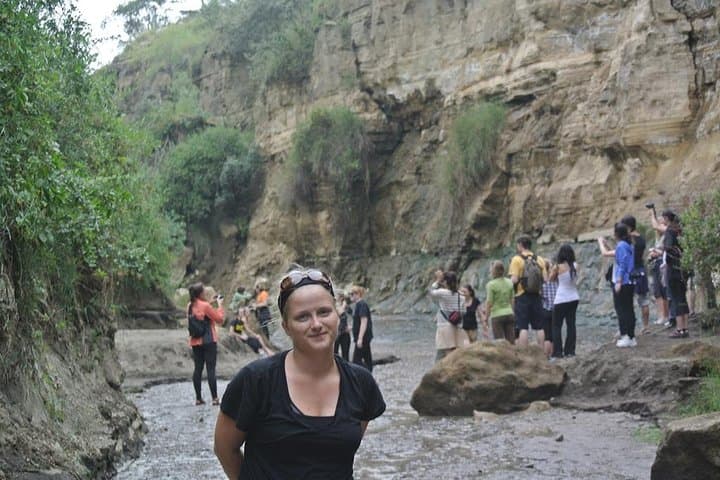
You step out of the van and the air changes—drier, dust-scraped, sharpened by stone. Cliffs rise like folded pages above the plain and steam vents sigh from the earth; Hell's Gate doesn't whisper, it issues a challenge. Guides tighten straps, boots kiss red dust, and the group files toward a narrow gorge where basalt columns lean in like an audience.
Verified experiences and guided adventures in the surrounding area.
Operated by Kenya Safaris · Naivasha, Nakuru County
You step out of the van and the air changes—drier, dust-scraped, sharpened by stone. Cliffs rise like folded pages above the plain and steam vents sigh from the earth; Hell's Gate doesn't whisper, it issues a challenge. Guides tighten straps, boots kiss red dust, and the group files toward a narrow gorge where basalt columns lean in like an audience.
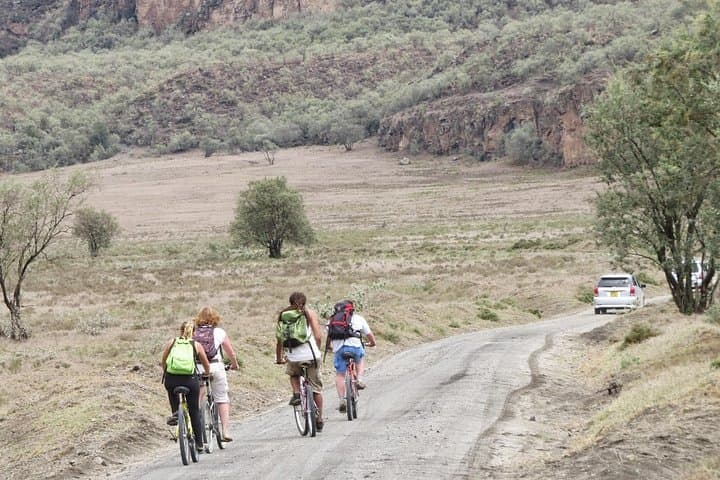
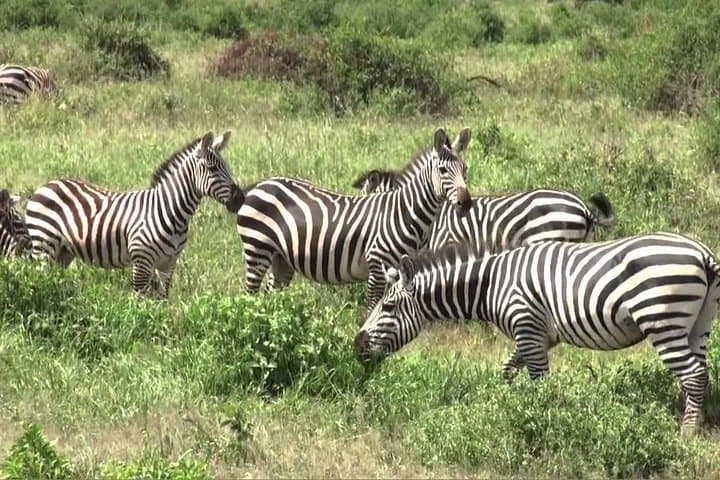
Hell's Gate National Park is one of the few places in Kenya where you can leave the vehicle and move through the landscape on foot. The park sits on the floor of the Eastern Rift Valley, carved by tectonics and ancient lava flows; walking here is walking along a living fault line. Basalt towers and water-gouged gorges give way to grass plains where zebras and gazelles graze, and where baboons choreograph their own urban dramas on the rocks.
A short drive away, Lake Naivasha opens like a crescent of glass. The boat ride to Crescent Island is quietly cinematic: papyrus fringes ripple, fish push at the hull, and an attendant guide gestures toward small herds of giraffe and waterbuck that move at the lake's edge. On Crescent Island you swap the engine's hum for the click of hooves and the occasional hiss of birds—it's one of the easier walking safaris in East Africa, where animals are accustomed to human presence but still keep their space.
The human history threads through the landscape: Maasai families have grazed these plains for generations, and in recent decades geothermal projects at nearby Olkaria have reminded visitors that the Rift is still very active. Geology, wildlife and culture are on the same bill here, which is why the day trip pairs a hands-on walk through Hell's Gate with the contemplative boat ride at Naivasha.
Practical side: expect a full day—roughly eight hours including hotel pickup from Nairobi and back. The main walking routes in Hell's Gate cover 5–7 km on mostly flat to rolling terrain with minimal elevation change (≈100 m of gain on optional climbs). Trails are scrub and packed dirt; sun exposure is high at midday and shade is scarce in places. The boat leg to Crescent Island is calm but bring motion-sickness remedies if you’re sensitive.
Plan for sun, dust, and sudden wind: hats, layered clothing, and 2–3 liters of water per person for the day. Guides carry permits and know where to find wildlife, but wildlife sightings (cheetah or leopard) are occasional—zebra, gazelle and a chorus of birds are more reliable. Respect the animals on Crescent Island—this is a walking sanctuary, not a zoo. Finally, allow time at lunch to sample nyama choma (grilled meat) and speak with local Maasai guides—the cultural exchange completes the day.
By the time the van slides back toward Nairobi, the Rift has already rearranged your sense of scale; cliffs shrink, but the dust in your shoes is stubborn proof you walked it.
moderate.
6–8 hours.
Moderate fitness: comfortable walking 5–7 km with short climbs; able to handle sun and dust for several hours.
Typical tours are about 8 hours including pickup and drop-off in Nairobi—expect around 2–2.5 hours each way by road and 4–5 hours on-site.
Check the tour booking details; many operators include transport and guide fees but may list national park or boat fees separately—confirm before travel.
Yes for school-age children who can walk 3–5 km; parents should monitor sun exposure and wildlife interactions closely.
Cheetahs and leopards are present but sightings are rare; more common are zebras, gazelles, baboons and a rich birdlife.
Many tours include bottled water and a lunch stop; you can bring snacks but follow guides' instructions about where to eat and dispose of waste.
Yes—the operator typically offers pickup from most Nairobi hotels and airports; confirm your pickup point when booking.
The park lies in the Eastern Rift Valley, a landscape reshaped by volcanic activity and long-inhabited grazing lands used by Maasai communities.
Hell's Gate limits vehicle access to reduce habitat disturbance; visitors are encouraged to follow marked trails and support local conservation fees that fund wildlife protection.
Kenya Safaris operates guided outdoor trips and adventures with an emphasis on safety, stewardship, and memorable experiences.
You step out of the van and the air changes—drier, dust-scraped, sharpened by stone. Cliffs rise like folded pages above the plain and steam vents sigh from the earth; Hell's Gate doesn't whisper, it issues a challenge. Guides tighten straps, boots kiss red dust, and the group files toward a narrow gorge where basalt columns lean in like an audience.
You step out of the van and the air changes—drier, dust-scraped, sharpened by stone. Cliffs rise like folded pages above the plain and steam vents sigh from the earth; Hell's Gate doesn't whisper, it issues a challenge. Guides tighten straps, boots kiss red dust, and the group files toward a narrow gorge where basalt columns lean in like an audience.
Hell's Gate National Park is one of the few places in Kenya where you can leave the vehicle and move through the landscape on foot. The park sits on the floor of the Eastern Rift Valley, carved by tectonics and ancient lava flows; walking here is walking along a living fault line. Basalt towers and water-gouged gorges give way to grass plains where zebras and gazelles graze, and where baboons choreograph their own urban dramas on the rocks.
A short drive away, Lake Naivasha opens like a crescent of glass. The boat ride to Crescent Island is quietly cinematic: papyrus fringes ripple, fish push at the hull, and an attendant guide gestures toward small herds of giraffe and waterbuck that move at the lake's edge. On Crescent Island you swap the engine's hum for the click of hooves and the occasional hiss of birds—it's one of the easier walking safaris in East Africa, where animals are accustomed to human presence but still keep their space.
The human history threads through the landscape: Maasai families have grazed these plains for generations, and in recent decades geothermal projects at nearby Olkaria have reminded visitors that the Rift is still very active. Geology, wildlife and culture are on the same bill here, which is why the day trip pairs a hands-on walk through Hell's Gate with the contemplative boat ride at Naivasha.
Practical side: expect a full day—roughly eight hours including hotel pickup from Nairobi and back. The main walking routes in Hell's Gate cover 5–7 km on mostly flat to rolling terrain with minimal elevation change (≈100 m of gain on optional climbs). Trails are scrub and packed dirt; sun exposure is high at midday and shade is scarce in places. The boat leg to Crescent Island is calm but bring motion-sickness remedies if you’re sensitive.
Plan for sun, dust, and sudden wind: hats, layered clothing, and 2–3 liters of water per person for the day. Guides carry permits and know where to find wildlife, but wildlife sightings (cheetah or leopard) are occasional—zebra, gazelle and a chorus of birds are more reliable. Respect the animals on Crescent Island—this is a walking sanctuary, not a zoo. Finally, allow time at lunch to sample nyama choma (grilled meat) and speak with local Maasai guides—the cultural exchange completes the day.
By the time the van slides back toward Nairobi, the Rift has already rearranged your sense of scale; cliffs shrink, but the dust in your shoes is stubborn proof you walked it.