THE ADVENTURE COLLECTIVE® · Independent discovery and booking for outdoor travel

Pedal past grazing giraffes, walk the red rock gorge, then glide across Lake Naivasha to watch hippos and fish eagles. This full-day excursion through Hell’s Gate and Naivasha mixes active biking, short hikes, and a wildlife boat trip—ideal for travelers craving close contact with Rift Valley landscapes.
Pedal past grazing giraffes, walk the red rock gorge, then glide across Lake Naivasha to watch hippos and fish eagles. This full-day excursion through Hell’s Gate and Naivasha mixes active biking, short hikes, and a wildlife boat trip—ideal for travelers craving close contact with Rift Valley landscapes.
On the dry heat of a Rift Valley morning the road peels away from Nairobi and the city’s static hum gives up to wind and wide sky. By the time the tour van eases to a stop at the Hell’s Gate viewpoint, the valley has unrolled beneath you: folds of ochre cliffs, a distant rim of Mount Longonot, and the flat shine of Lake Naivasha catching the sun. Guides hand out helmets and bicycles; the first pedal stroke drops you into a landscape that pushes back—giraffes lifting heads like slow sentinels, zebras striping the roadside, and breeze that tastes faintly of lake and earth.
Verified experiences and guided adventures in the surrounding area.
Operated by CARALUXE TOURS AND SAFARIS LTD · Naivasha, Nakuru County
On the dry heat of a Rift Valley morning the road peels away from Nairobi and the city’s static hum gives up to wind and wide sky. By the time the tour van eases to a stop at the Hell’s Gate viewpoint, the valley has unrolled beneath you: folds of ochre cliffs, a distant rim of Mount Longonot, and the flat shine of Lake Naivasha catching the sun. Guides hand out helmets and bicycles; the first pedal stroke drops you into a landscape that pushes back—giraffes lifting heads like slow sentinels, zebras striping the roadside, and breeze that tastes faintly of lake and earth.
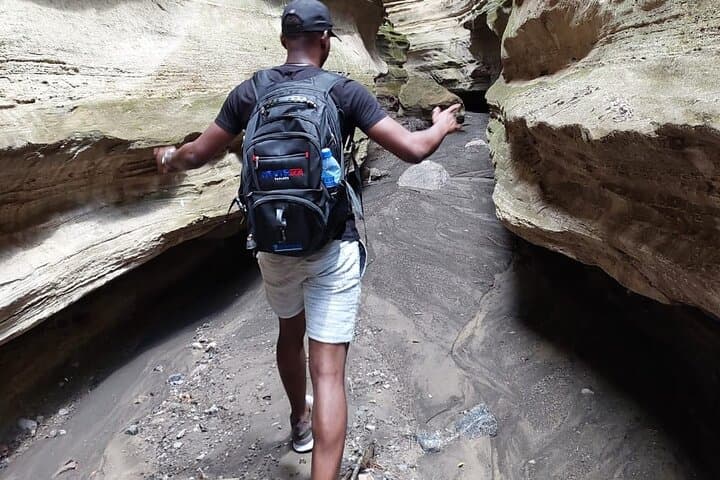
Hell’s Gate National Park is geologically loud. The park takes its name from a deep cleft in red-tinged basalt created by the forces of an ancient lake and the slow unzipping of the Great Rift. Walking and cycling here is uncommon in African parks: visitors are allowed off vehicles to move through the park on foot or by bicycle, drawing you closer to granite towers and the gorge that channels wind and light.
Culturally, the Naivasha corridor marries pastoral Maasai tradition with the mechanized greenhouses that feed global flower markets. Farmers and floriculturists have shaped the land beside the lake for decades; at the same time, the park and the lake sustain communities through tourism and fishing.
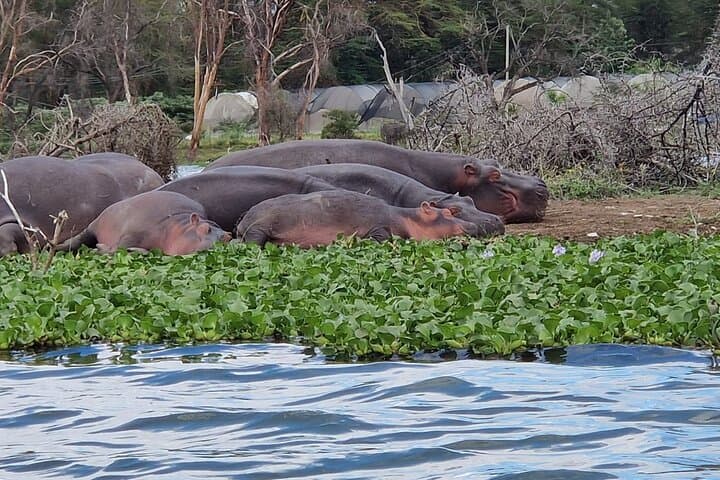
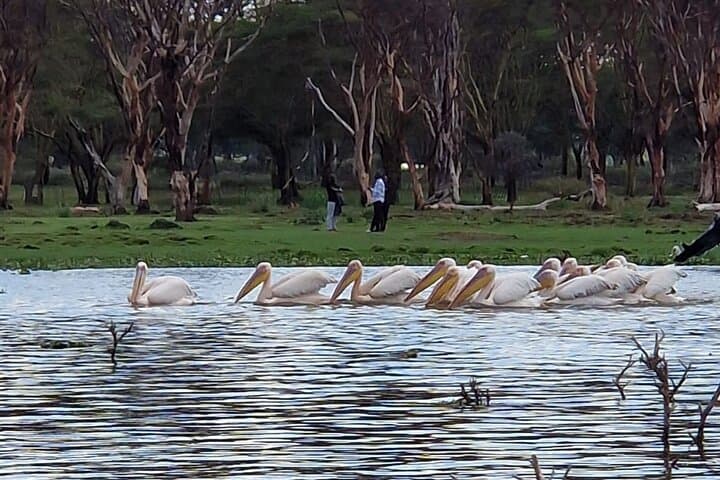
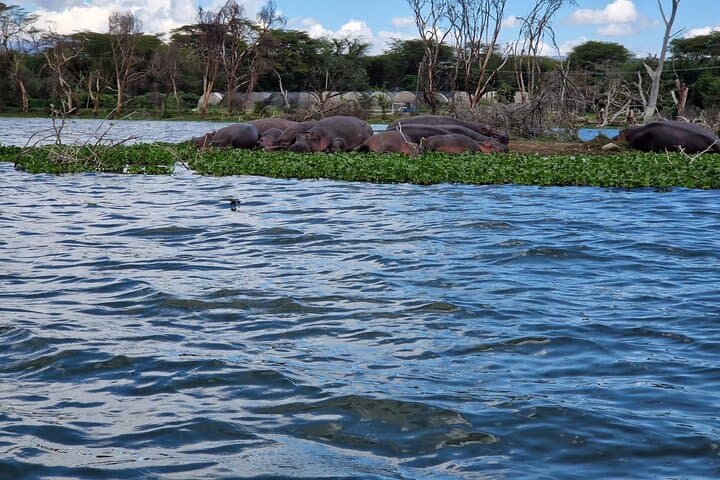
The optional motor-boat ride on Lake Naivasha shifts the tempo. Hippos claim the water with a casual arrogance—submerged backs and sudden flights of birds—and fish eagles quarter the air like punctuation. The boat puts you at the edge of their world, where reeds whisper and the lake’s surface mirrors the Rift’s rim.
Practical guidance: the full day runs about 8–10 hours door-to-door from Nairobi and is best started at first light to skirt mid-day heat and to catch wildlife when visibility is highest. Cycling routes inside the park are generally flat with compacted dirt and short gravel stretches; expect short walking sections around the gorge. The boat ride lasts roughly 1–2 hours and includes close hippo and birdwatching; bring binoculars.
Wear sturdy closed-toe shoes for walking around the gorge, and layer light sun protection—mornings can be cool but midday turns hot. Carry at least 1–2 liters of water per person, reef-safe sunscreen and some cash for park entry if it’s not included. Respect wildlife distances, especially around hippo pods—boats and footsteps can disturb them fast.
For photographers: the best light is early morning or late afternoon; shoot the gorge from the trail lip, frame grazing wildlife against the Rift escarpment, and take the boat into the hippo pods for low-angle action. Above all, move deliberately: this day combines kinetic moments on the bike with slow, watchful time on the water—both are part of what makes Hell’s Gate and Lake Naivasha an accessible, elemental Rift Valley experience.
moderate.
8–10 hours.
Suitable for travelers with general fitness; comfortable cycling for 1–3 hours and short hikes over uneven ground.
Cycling is allowed but it’s recommended to go with a guide or organized tour—guides know wildlife behavior, best routes, and safety protocols.
Most boat trips spot hippos since they cluster near shorelines; sightings are common but not guaranteed due to natural movement.
Yes—infants must sit on laps per the tour policy; specialized infant seats are available and guides will advise on safety around hippos.
Mostly compact dirt roads with brief gravel sections and flat gradients; short walking sections occur around the gorge.
Admission is sometimes separate; check booking details—bring cash or confirm with your operator whether park entry or boat fees are covered.
Yes—this is a private tour with hotel and airport pickup options; confirm your pickup point when booking.
Hell’s Gate was carved by Rift Valley tectonics and the shorelines of an ancient lake; its dramatic gorge and cliffs gave the park its foreboding name and inspired wildlife animators.
The area faces pressure from floriculture and tourism; stick to marked trails, follow guides’ rules, and choose operators who support community conservation.
CARALUXE TOURS AND SAFARIS LTD operates guided outdoor trips and adventures with an emphasis on safety, stewardship, and memorable experiences.
On the dry heat of a Rift Valley morning the road peels away from Nairobi and the city’s static hum gives up to wind and wide sky. By the time the tour van eases to a stop at the Hell’s Gate viewpoint, the valley has unrolled beneath you: folds of ochre cliffs, a distant rim of Mount Longonot, and the flat shine of Lake Naivasha catching the sun. Guides hand out helmets and bicycles; the first pedal stroke drops you into a landscape that pushes back—giraffes lifting heads like slow sentinels, zebras striping the roadside, and breeze that tastes faintly of lake and earth.
On the dry heat of a Rift Valley morning the road peels away from Nairobi and the city’s static hum gives up to wind and wide sky. By the time the tour van eases to a stop at the Hell’s Gate viewpoint, the valley has unrolled beneath you: folds of ochre cliffs, a distant rim of Mount Longonot, and the flat shine of Lake Naivasha catching the sun. Guides hand out helmets and bicycles; the first pedal stroke drops you into a landscape that pushes back—giraffes lifting heads like slow sentinels, zebras striping the roadside, and breeze that tastes faintly of lake and earth.
Hell’s Gate National Park is geologically loud. The park takes its name from a deep cleft in red-tinged basalt created by the forces of an ancient lake and the slow unzipping of the Great Rift. Walking and cycling here is uncommon in African parks: visitors are allowed off vehicles to move through the park on foot or by bicycle, drawing you closer to granite towers and the gorge that channels wind and light.
Culturally, the Naivasha corridor marries pastoral Maasai tradition with the mechanized greenhouses that feed global flower markets. Farmers and floriculturists have shaped the land beside the lake for decades; at the same time, the park and the lake sustain communities through tourism and fishing.
The optional motor-boat ride on Lake Naivasha shifts the tempo. Hippos claim the water with a casual arrogance—submerged backs and sudden flights of birds—and fish eagles quarter the air like punctuation. The boat puts you at the edge of their world, where reeds whisper and the lake’s surface mirrors the Rift’s rim.
Practical guidance: the full day runs about 8–10 hours door-to-door from Nairobi and is best started at first light to skirt mid-day heat and to catch wildlife when visibility is highest. Cycling routes inside the park are generally flat with compacted dirt and short gravel stretches; expect short walking sections around the gorge. The boat ride lasts roughly 1–2 hours and includes close hippo and birdwatching; bring binoculars.
Wear sturdy closed-toe shoes for walking around the gorge, and layer light sun protection—mornings can be cool but midday turns hot. Carry at least 1–2 liters of water per person, reef-safe sunscreen and some cash for park entry if it’s not included. Respect wildlife distances, especially around hippo pods—boats and footsteps can disturb them fast.
For photographers: the best light is early morning or late afternoon; shoot the gorge from the trail lip, frame grazing wildlife against the Rift escarpment, and take the boat into the hippo pods for low-angle action. Above all, move deliberately: this day combines kinetic moments on the bike with slow, watchful time on the water—both are part of what makes Hell’s Gate and Lake Naivasha an accessible, elemental Rift Valley experience.