THE ADVENTURE COLLECTIVE® · Independent discovery and booking for outdoor travel

A full-day escape from Nairobi that pairs the raw cliffs of Hell’s Gate with an optional boat ride on Lake Naivasha. Expect walking, close wildlife viewing, and geological drama—perfect for travelers who want active, accessible safari experiences.
A full-day escape from Nairobi that pairs the raw cliffs of Hell’s Gate with an optional boat ride on Lake Naivasha. Expect walking, close wildlife viewing, and geological drama—perfect for travelers who want active, accessible safari experiences.
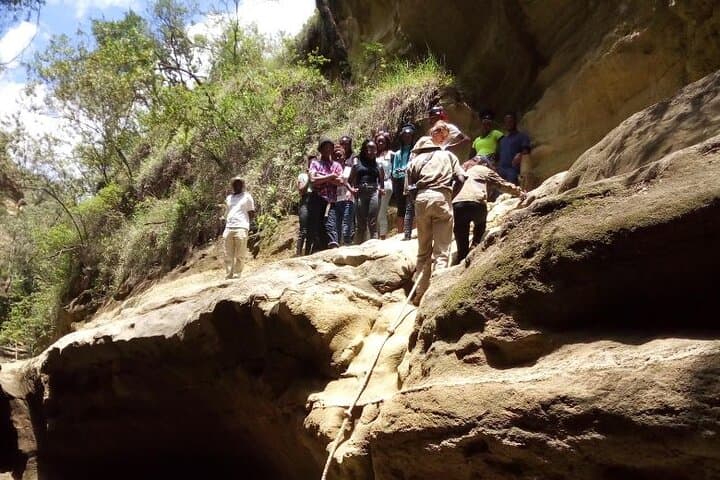
The bus eases out of Nairobi before dawn and the city’s smog peels away into a cooler, highland light. By mid-morning the crater rim hovers ahead—ragged cliffs cutting into the Rift Valley and a green plate of water glinting below. At Hell’s Gate National Park the rocks seem to breathe: wind pushes through Njorowa Gorge like a living thing, and plains grasses bow as if answering. Guides unload bikes, binoculars click into place, and the day shifts into a steady, tactile rhythm of walking, watching and sometimes pedaling.
Verified experiences and guided adventures in the surrounding area.
Operated by Shagami Kenya Tours and Safaris · Naivasha, Nakuru County
The bus eases out of Nairobi before dawn and the city’s smog peels away into a cooler, highland light. By mid-morning the crater rim hovers ahead—ragged cliffs cutting into the Rift Valley and a green plate of water glinting below. At Hell’s Gate National Park the rocks seem to breathe: wind pushes through Njorowa Gorge like a living thing, and plains grasses bow as if answering. Guides unload bikes, binoculars click into place, and the day shifts into a steady, tactile rhythm of walking, watching and sometimes pedaling.
Hell’s Gate occupies roughly 68 square kilometers of volcanic country carved by tectonic forces and ancient eruptions. Geologically, the park is a page torn from the Rift Valley’s ledger—basalt cliffs, steam vents, and gorges formed by faulting rather than glacial action. Human history here threads Maasai grazing routes and colonial-era farms; the lakeshore communities around Naivasha have long depended on the freshwater basin for fishing and horticulture.
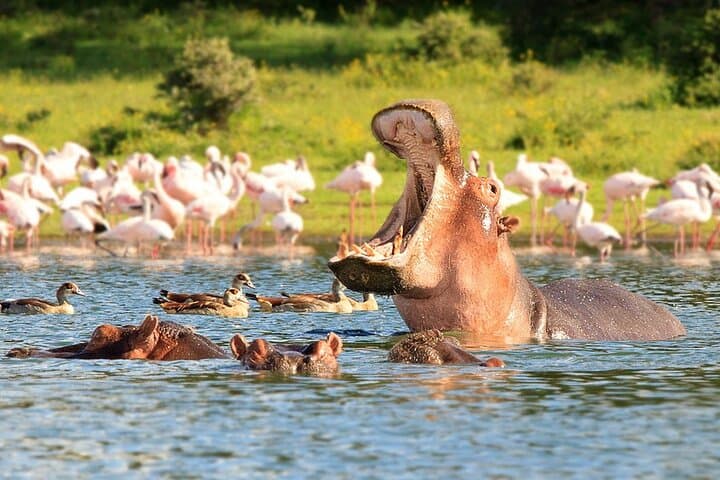
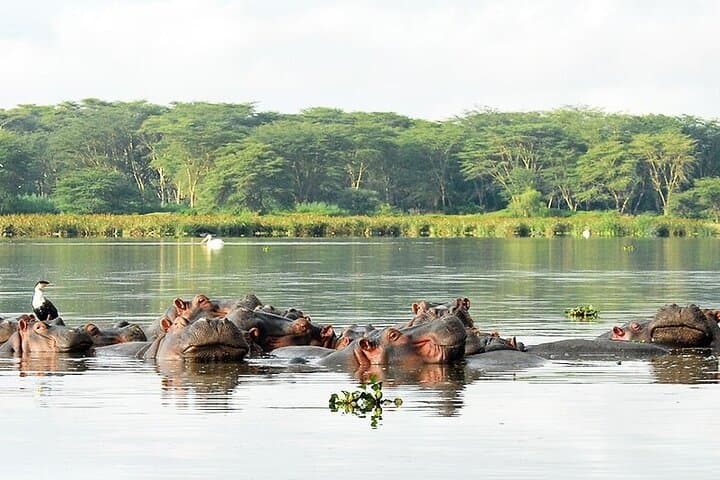
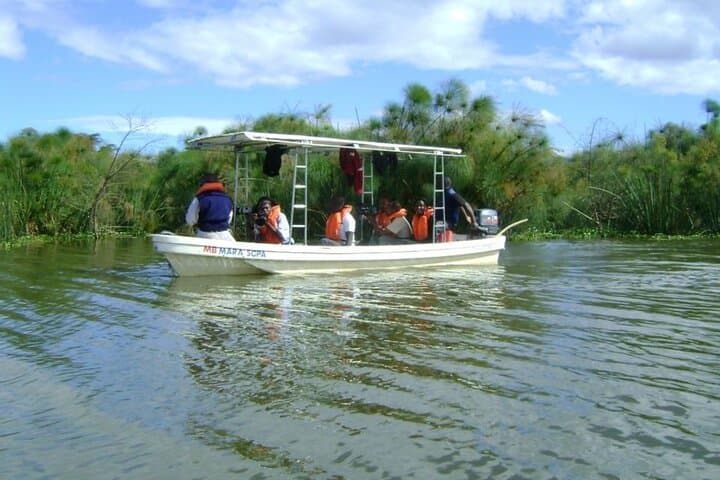
Wildlife is direct and accessible. Unlike thick-forest reserves, Hell’s Gate permits walking and biking among grazing zebra, eland, giraffe and the occasional buffalo—animals that treat human presence with casual curiosity. Birdlife is equally bold: oystercatchers and pelicans patrol the lakeshore while pockets of pink flamingos sample the shallows. If you tack on the optional Lake Naivasha boat ride, you’ll cross to Crescent Island where waterbirds stage their own daily traffic and hippos sometimes surface as if to inspect the boat.
Practical guidance is straightforward. The park sits about 90 km (56 miles) from Nairobi; expect roughly 1.5–2 hours of driving one way depending on traffic. Altitude is around 1,900 m (6,200 ft), so mornings are brisk while mid-afternoons can feel warm. Trails are a mixture of packed dirt, short rocky scrambles in the gorge, and flat savanna tracks—most routes are low-technical but require steady shoes. Bring water for 2–3 liters per person, sun protection, and a light layer for early or late in the day. Boat rides last about 45–60 minutes; operators often time departures to avoid midday wind.
Logistics: private or shared day tours typically include hotel pickup in Nairobi, bottled water and a guide. Entrance fees to the park and boat fees are usually extra—confirm pricing ahead. Time your visit for early morning or late afternoon for the best light and quieter wildlife viewing. Conservation-minded travelers should stay on marked tracks, avoid feeding animals, and support local guides and operators who contribute to community projects around Naivasha.
On a good day, the gorge will swallow and return your footsteps and the lake will glitter like a challenge—something in the landscape that dares you to slow down, look closely, and keep your camera ready.
moderate.
8 hours.
Suitable for travelers in regular, general fitness—able to walk 2–4 hours over mixed terrain and handle short climbs.
Approximately 90 km (about 56 miles); travel time is usually 1.5–2 hours depending on traffic.
The boat ride on Lake Naivasha is typically optional and often charged separately—confirm when booking.
Yes; Hell’s Gate is one of the few parks in Kenya that allows walking and biking, and animals are generally approachable but must not be fed or harassed.
Most day-trip operators include hotel pickup, a driver/guide, and bottled water; check the tour’s inclusions for specifics.
The park is family-friendly with gentle plains; however, gorges have rocky sections and the operator notes it's not recommended for travelers with serious back or heart issues.
Yes—park entrance and boat fees are often paid on site and may require cash; verify payment options with your tour operator.
Hell’s Gate and the Naivasha basin were shaped by Rift Valley faulting and used historically by pastoral Maasai communities; the area later became a strategic agricultural and colonial travel corridor.
Local conservation focuses on balancing tourism, freshwater management of Lake Naivasha, and community livelihoods—stick to marked trails and support local guides to minimize impact.
Shagami Kenya Tours and Safaris operates guided outdoor trips and adventures with an emphasis on safety, stewardship, and memorable experiences.
The bus eases out of Nairobi before dawn and the city’s smog peels away into a cooler, highland light. By mid-morning the crater rim hovers ahead—ragged cliffs cutting into the Rift Valley and a green plate of water glinting below. At Hell’s Gate National Park the rocks seem to breathe: wind pushes through Njorowa Gorge like a living thing, and plains grasses bow as if answering. Guides unload bikes, binoculars click into place, and the day shifts into a steady, tactile rhythm of walking, watching and sometimes pedaling.
The bus eases out of Nairobi before dawn and the city’s smog peels away into a cooler, highland light. By mid-morning the crater rim hovers ahead—ragged cliffs cutting into the Rift Valley and a green plate of water glinting below. At Hell’s Gate National Park the rocks seem to breathe: wind pushes through Njorowa Gorge like a living thing, and plains grasses bow as if answering. Guides unload bikes, binoculars click into place, and the day shifts into a steady, tactile rhythm of walking, watching and sometimes pedaling.
Hell’s Gate occupies roughly 68 square kilometers of volcanic country carved by tectonic forces and ancient eruptions. Geologically, the park is a page torn from the Rift Valley’s ledger—basalt cliffs, steam vents, and gorges formed by faulting rather than glacial action. Human history here threads Maasai grazing routes and colonial-era farms; the lakeshore communities around Naivasha have long depended on the freshwater basin for fishing and horticulture.
Wildlife is direct and accessible. Unlike thick-forest reserves, Hell’s Gate permits walking and biking among grazing zebra, eland, giraffe and the occasional buffalo—animals that treat human presence with casual curiosity. Birdlife is equally bold: oystercatchers and pelicans patrol the lakeshore while pockets of pink flamingos sample the shallows. If you tack on the optional Lake Naivasha boat ride, you’ll cross to Crescent Island where waterbirds stage their own daily traffic and hippos sometimes surface as if to inspect the boat.
Practical guidance is straightforward. The park sits about 90 km (56 miles) from Nairobi; expect roughly 1.5–2 hours of driving one way depending on traffic. Altitude is around 1,900 m (6,200 ft), so mornings are brisk while mid-afternoons can feel warm. Trails are a mixture of packed dirt, short rocky scrambles in the gorge, and flat savanna tracks—most routes are low-technical but require steady shoes. Bring water for 2–3 liters per person, sun protection, and a light layer for early or late in the day. Boat rides last about 45–60 minutes; operators often time departures to avoid midday wind.
Logistics: private or shared day tours typically include hotel pickup in Nairobi, bottled water and a guide. Entrance fees to the park and boat fees are usually extra—confirm pricing ahead. Time your visit for early morning or late afternoon for the best light and quieter wildlife viewing. Conservation-minded travelers should stay on marked tracks, avoid feeding animals, and support local guides and operators who contribute to community projects around Naivasha.
On a good day, the gorge will swallow and return your footsteps and the lake will glitter like a challenge—something in the landscape that dares you to slow down, look closely, and keep your camera ready.