THE ADVENTURE COLLECTIVE® · Independent discovery and booking for outdoor travel

An 11-day private trek that leaves from Kathmandu, the Helambu Circuit threads pine and rhododendron ridges, remote Sherpa villages, and panoramic viewpoints where Everest and Langtang appear on clear days. This guide covers what to expect on trail, cultural highlights, and practical preparation tips.
An 11-day private trek that leaves from Kathmandu, the Helambu Circuit threads pine and rhododendron ridges, remote Sherpa villages, and panoramic viewpoints where Everest and Langtang appear on clear days. This guide covers what to expect on trail, cultural highlights, and practical preparation tips.
The first light of dawn splits the Kathmandu Valley and the road to Sundarijal unspools under a thin mist. You climb into a jeep with a guide whose grin is as steady as the compass on his wrist, and by mid-morning you’re stepping onto a trail that immediately leans uphill through a riot of ferns and stone steps. The trail alternates—soft forest soil, exposed rock, narrow ridgelines—pushing you into the high green of Helambu where prayer flags fray in the wind and yak-bells are replaced by the distant clack of teahouse cups.
Verified experiences and guided adventures in the surrounding area.
Operated by Altitude Himalaya · Kathmandu, Bagmati Province
The first light of dawn splits the Kathmandu Valley and the road to Sundarijal unspools under a thin mist. You climb into a jeep with a guide whose grin is as steady as the compass on his wrist, and by mid-morning you’re stepping onto a trail that immediately leans uphill through a riot of ferns and stone steps. The trail alternates—soft forest soil, exposed rock, narrow ridgelines—pushing you into the high green of Helambu where prayer flags fray in the wind and yak-bells are replaced by the distant clack of teahouse cups.
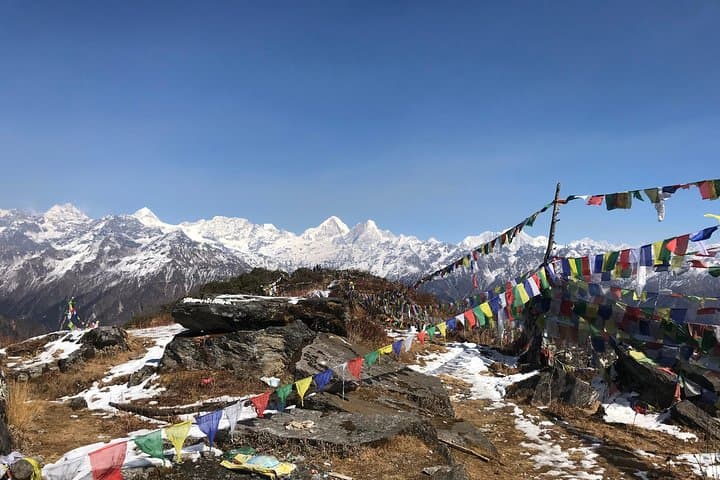
Helambu sits on the northeastern shoulder of the Langtang region, a landscape carved by glaciers and rivers that still insist on changing course. Geologically it’s softer than the granite of the high Himalaya—rounded ridges and broad valleys—so the views open quickly: Jugal Himal and distant vaulted ridgelines of Manaslu and Langtang appear on clear days, and on the right day Everest punctuates the skyline like a white tooth. The area also has an enduring cultural geography: Sherpa and Hyolmo villages, gompas that date back centuries, and mani walls that mark trade routes once used by salt caravans.
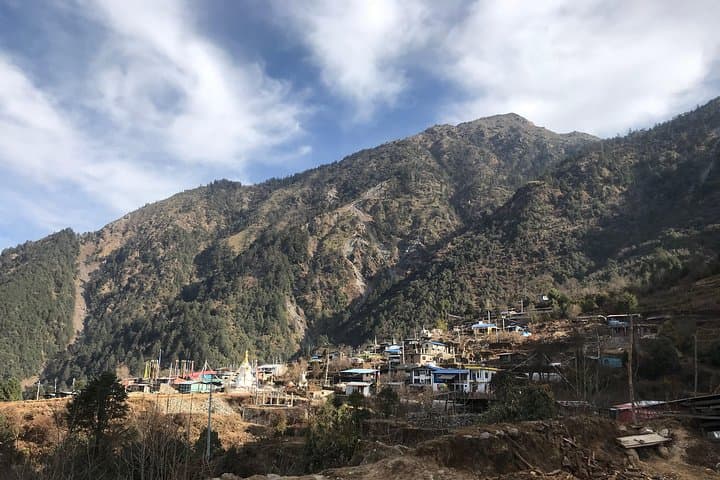
On trail you’ll pass rhododendron stands that flare red in spring, pine slopes, and small clear streams daring you to stop and drink. Tea houses are modest and reliable—simple rooms, steaming dal bhat, and the chance to learn Helambu’s quiet customs: early-morning butter lamp offerings, the measured cadence of a monk’s chant, and the spare hospitality of villages like Tarke Ghyang and Melamchi Gaon.
Practically, this is one of the shortest multi-day treks accessible from Kathmandu: the itinerary spans 11 days with daily walking windows of roughly 4–7 hours, elevation range from ~1,500m in lower villages to viewpoint ridges near 3,200m. Terrain varies: steady ascents of 300–700m per day, some rocky scrambles and steep descents on loose soil. Acclimatize sensibly—the route keeps you below extreme altitudes, but the rapid daily gains make hydration and pacing essential.
Guides and porters are provided, permits are handled, and teahouse lodging simplifies logistics—pack a reliable sleeping bag, layers for cold nights, and a small first-aid kit. Aim for spring (rhododendron bloom) or autumn (stable skies) for the best visibility; winter can be cold and muddy monsoon months bring heavy rain and leeches on lower trails.
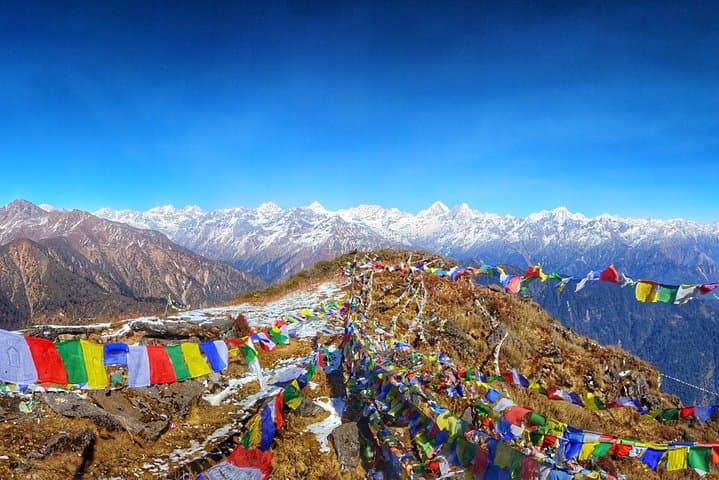
At the Aama Yangri viewpoint, when the wind finally steadies and the mountain chain unfurls, you realize why Helambu is prized: it’s intimate, immediate, and human-scale—an alpine circuit designed for travelers who want breadth of Himalayan panoramas without committing to weeks at altitude.
moderate.
11 days.
Good general fitness; able to walk 4–7 hours per day with regular breaks. Some prior day-hiking experience helpful.
No technical experience is required; the trek stays at moderate altitudes, but previous multi-day hiking experience and good fitness make the days more enjoyable.
The trek reaches viewpoints and passes around 3,000–3,200 meters depending on route variations—most nights are lower in teahouses.
Teahouses are basic but clean—private rooms with shared bathrooms are typical; hot showers may be limited and charged separately.
Yes—while altitudes are moderate, the schedule spaces climbs to reduce altitude illness risk; communicate any symptoms to your guide immediately.
TIMS card and the relevant national park or conservation entry permits are included and arranged by the operator.
This is a private guided tour, so small adjustments are often possible—discuss preferences, pace, and accommodations with your guide before departure.
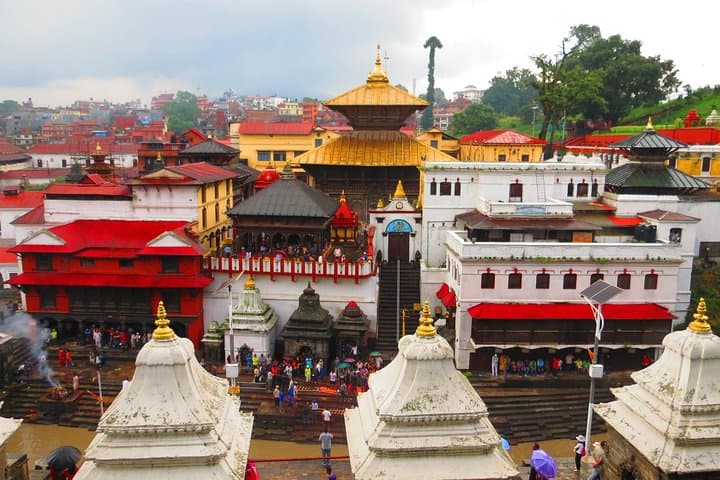
Helambu was historically a trans-Himalayan trading corridor connecting Kathmandu to the Tamang and Sherpa communities; monasteries along the circuit reflect centuries of Buddhist practice.
The route passes community forests and watersheds; stick to established trails, minimize single-use plastics, and support local teahouses to keep tourism benefits local.
Altitude Himalaya operates guided outdoor trips and adventures with an emphasis on safety, stewardship, and memorable experiences.
The first light of dawn splits the Kathmandu Valley and the road to Sundarijal unspools under a thin mist. You climb into a jeep with a guide whose grin is as steady as the compass on his wrist, and by mid-morning you’re stepping onto a trail that immediately leans uphill through a riot of ferns and stone steps. The trail alternates—soft forest soil, exposed rock, narrow ridgelines—pushing you into the high green of Helambu where prayer flags fray in the wind and yak-bells are replaced by the distant clack of teahouse cups.
The first light of dawn splits the Kathmandu Valley and the road to Sundarijal unspools under a thin mist. You climb into a jeep with a guide whose grin is as steady as the compass on his wrist, and by mid-morning you’re stepping onto a trail that immediately leans uphill through a riot of ferns and stone steps. The trail alternates—soft forest soil, exposed rock, narrow ridgelines—pushing you into the high green of Helambu where prayer flags fray in the wind and yak-bells are replaced by the distant clack of teahouse cups.
Helambu sits on the northeastern shoulder of the Langtang region, a landscape carved by glaciers and rivers that still insist on changing course. Geologically it’s softer than the granite of the high Himalaya—rounded ridges and broad valleys—so the views open quickly: Jugal Himal and distant vaulted ridgelines of Manaslu and Langtang appear on clear days, and on the right day Everest punctuates the skyline like a white tooth. The area also has an enduring cultural geography: Sherpa and Hyolmo villages, gompas that date back centuries, and mani walls that mark trade routes once used by salt caravans.
On trail you’ll pass rhododendron stands that flare red in spring, pine slopes, and small clear streams daring you to stop and drink. Tea houses are modest and reliable—simple rooms, steaming dal bhat, and the chance to learn Helambu’s quiet customs: early-morning butter lamp offerings, the measured cadence of a monk’s chant, and the spare hospitality of villages like Tarke Ghyang and Melamchi Gaon.
Practically, this is one of the shortest multi-day treks accessible from Kathmandu: the itinerary spans 11 days with daily walking windows of roughly 4–7 hours, elevation range from ~1,500m in lower villages to viewpoint ridges near 3,200m. Terrain varies: steady ascents of 300–700m per day, some rocky scrambles and steep descents on loose soil. Acclimatize sensibly—the route keeps you below extreme altitudes, but the rapid daily gains make hydration and pacing essential.
Guides and porters are provided, permits are handled, and teahouse lodging simplifies logistics—pack a reliable sleeping bag, layers for cold nights, and a small first-aid kit. Aim for spring (rhododendron bloom) or autumn (stable skies) for the best visibility; winter can be cold and muddy monsoon months bring heavy rain and leeches on lower trails.
At the Aama Yangri viewpoint, when the wind finally steadies and the mountain chain unfurls, you realize why Helambu is prized: it’s intimate, immediate, and human-scale—an alpine circuit designed for travelers who want breadth of Himalayan panoramas without committing to weeks at altitude.