THE ADVENTURE COLLECTIVE® · Independent discovery and booking for outdoor travel

Walk the French Quarter after dark with a local guide who stitches together New Orleans’ hard history and darker legends into a 90‑minute ghost tour. Expect gaslit alleys, colonial-era tales, and practical tips for navigating cobblestones and crowds.
Walk the French Quarter after dark with a local guide who stitches together New Orleans’ hard history and darker legends into a 90‑minute ghost tour. Expect gaslit alleys, colonial-era tales, and practical tips for navigating cobblestones and crowds.
The streetlights of Jackson Square thin into long, wavering ghosts as a guide gathers a small group on the cathedral steps. The air smells faintly of damp brick, beignets, and the river; voices from a nearby bar ripple like distant thunder. As the tour leaves the brightness of the square, gas lamps throw small, oval pools of light across cobblestones and narrow alleys that have watched centuries of grief, revelry, and secrets.
Verified experiences and guided adventures in the surrounding area.
Operated by Tours by Foot New Orleans · New Orleans, Louisiana
The streetlights of Jackson Square thin into long, wavering ghosts as a guide gathers a small group on the cathedral steps. The air smells faintly of damp brick, beignets, and the river; voices from a nearby bar ripple like distant thunder. As the tour leaves the brightness of the square, gas lamps throw small, oval pools of light across cobblestones and narrow alleys that have watched centuries of grief, revelry, and secrets.
The French Quarter is layered history made visible: French and Spanish colonial architecture, Creole townhouses with ironwork balconies, and the narrow passageways where trades and tragedies once collided. This 90-minute walking tour threads those layers together through stories of voodoo practitioners, yellow fever epidemics, Confederate hospitals, and the legends—the tumbler bride, the casket girls, and the hotel rooms that never seem to sleep—that keep conversation alive long after midnight.
Geologically the Quarter sits on alluvial soils of the lower Mississippi, the city’s elevation a constant negotiation with water. That negotiation shaped its culture: raised homes, wrought iron galleries, and a spirituality that blends Catholic rites, African traditions, and pragmatic superstition. The tour's guide uses that history as scaffolding, steering visitors from Jackson Square through Pirates Alley and past the Ursuline Convent, stopping where brick and shadow have gathered the most stories.
Practicalities are simple but important. The route is flat but uneven—cobbles and occasional steps mean sturdy shoes and steady footing. Groups move at an easy pace, but expect standing and close listening in small courtyards and alleys. Guides are fluent in history and storytelling, and they keep the tone respectful of people and places while leaning into the eerie and uncanny.
Timing matters: evening light softens details and sharpens mood; later-night tours feel spookier but attract louder nightlife crowds. Bring a compact flashlight for sidestreets (it helps with footing and photos), keep valuables secure, and consider noise and respect for local residents—many of the sites are active neighborhoods, not staged attractions.
For photographers, the best frames happen during blue hour when lamplight warms brickwork and cast-iron silhouette. If you want more than stories, arrive early to explore Jackson Square and the riverfront; afterward, grab a coffee or café au lait and read up on the locations your guide mentioned to deepen the context.
This is not a haunted-house thrill ride but a guided walk through historical wounds and cultural memory, told through haunting anecdotes and documented events. It’s a way to feel the city’s age and complexity—an evening where the past seems present, if only for a little while.
easy.
1.5 hours.
Suitable for most fitness levels; requires standing and walking on uneven pavement.
The guided walk lasts about 90 minutes and returns to the starting point at Jackson Square.
Yes; the tour is rated easy and stroller and wheelchair accessible, but some stories may be intense for very young children.
Advance booking is recommended—especially on weekends and during festival seasons—because tours can fill quickly.
No; this is a historical walking tour that focuses on documented events and local legends rather than staged scares.
The operator notes wheelchair accessibility for main areas, but cobblestones and narrow lanes may present practical challenges—contact the provider with specific needs.
Tours typically run in light rain; severe weather may prompt rescheduling and the tour’s cancellation policy allows refunds if canceled more than 24 hours ahead.
The French Quarter reflects French and Spanish colonial governance, a Creole culture shaped by African, Caribbean, and European influences, and a long history of epidemics and funerary practice that feed many local legends.
Historic preservation groups work to maintain building fabric and nightlife balance; visitors are asked to respect private property and local residents to reduce wear on fragile sites.
Tours by Foot New Orleans operates guided outdoor trips and adventures with an emphasis on safety, stewardship, and memorable experiences.
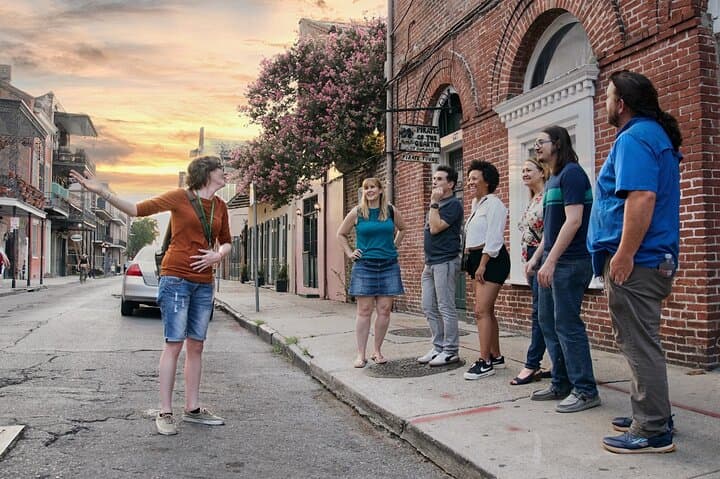
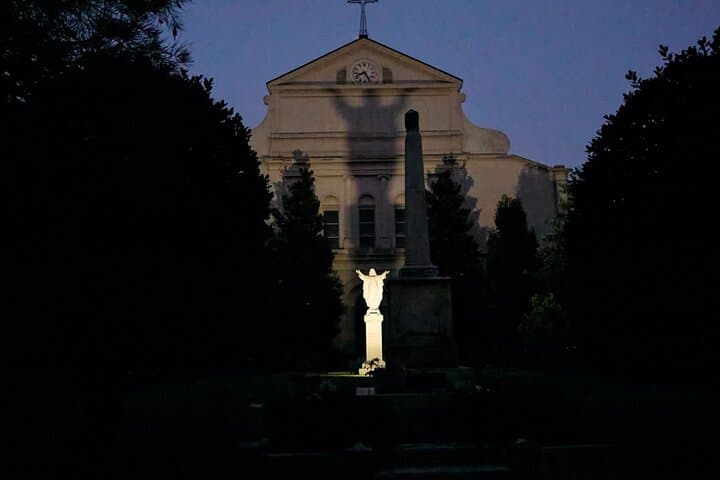
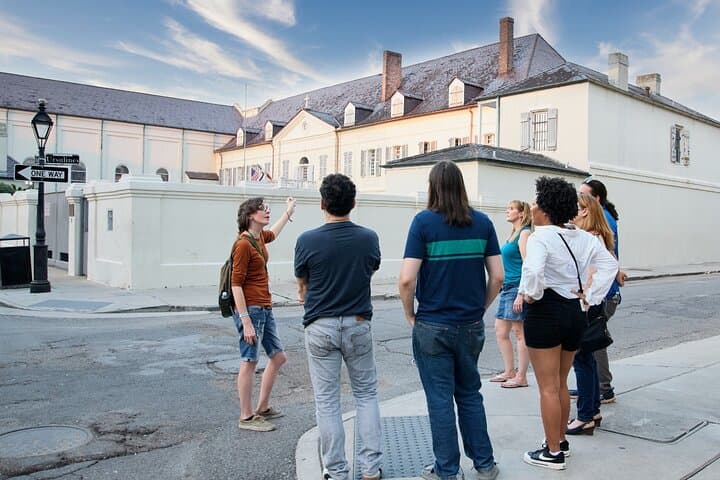
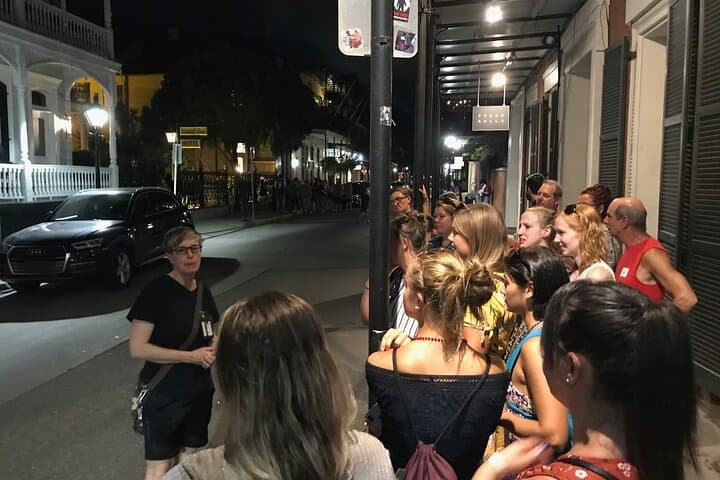
The streetlights of Jackson Square thin into long, wavering ghosts as a guide gathers a small group on the cathedral steps. The air smells faintly of damp brick, beignets, and the river; voices from a nearby bar ripple like distant thunder. As the tour leaves the brightness of the square, gas lamps throw small, oval pools of light across cobblestones and narrow alleys that have watched centuries of grief, revelry, and secrets.
The streetlights of Jackson Square thin into long, wavering ghosts as a guide gathers a small group on the cathedral steps. The air smells faintly of damp brick, beignets, and the river; voices from a nearby bar ripple like distant thunder. As the tour leaves the brightness of the square, gas lamps throw small, oval pools of light across cobblestones and narrow alleys that have watched centuries of grief, revelry, and secrets.
The French Quarter is layered history made visible: French and Spanish colonial architecture, Creole townhouses with ironwork balconies, and the narrow passageways where trades and tragedies once collided. This 90-minute walking tour threads those layers together through stories of voodoo practitioners, yellow fever epidemics, Confederate hospitals, and the legends—the tumbler bride, the casket girls, and the hotel rooms that never seem to sleep—that keep conversation alive long after midnight.
Geologically the Quarter sits on alluvial soils of the lower Mississippi, the city’s elevation a constant negotiation with water. That negotiation shaped its culture: raised homes, wrought iron galleries, and a spirituality that blends Catholic rites, African traditions, and pragmatic superstition. The tour's guide uses that history as scaffolding, steering visitors from Jackson Square through Pirates Alley and past the Ursuline Convent, stopping where brick and shadow have gathered the most stories.
Practicalities are simple but important. The route is flat but uneven—cobbles and occasional steps mean sturdy shoes and steady footing. Groups move at an easy pace, but expect standing and close listening in small courtyards and alleys. Guides are fluent in history and storytelling, and they keep the tone respectful of people and places while leaning into the eerie and uncanny.
Timing matters: evening light softens details and sharpens mood; later-night tours feel spookier but attract louder nightlife crowds. Bring a compact flashlight for sidestreets (it helps with footing and photos), keep valuables secure, and consider noise and respect for local residents—many of the sites are active neighborhoods, not staged attractions.
For photographers, the best frames happen during blue hour when lamplight warms brickwork and cast-iron silhouette. If you want more than stories, arrive early to explore Jackson Square and the riverfront; afterward, grab a coffee or café au lait and read up on the locations your guide mentioned to deepen the context.
This is not a haunted-house thrill ride but a guided walk through historical wounds and cultural memory, told through haunting anecdotes and documented events. It’s a way to feel the city’s age and complexity—an evening where the past seems present, if only for a little while.