THE ADVENTURE COLLECTIVE® · Independent discovery and booking for outdoor travel

Walk the French Quarter after dusk with a local guide and a complimentary cocktail in hand. This two-hour walking tour pairs classic and modern drinks with the neighborhood’s layered history, giving you both bar recommendations and the city’s best stories.
Walk the French Quarter after dusk with a local guide and a complimentary cocktail in hand. This two-hour walking tour pairs classic and modern drinks with the neighborhood’s layered history, giving you both bar recommendations and the city’s best stories.
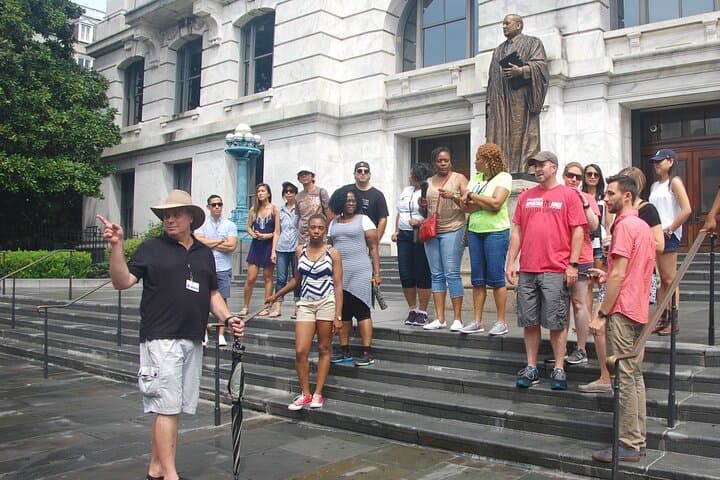
The tour begins on a humid New Orleans evening, when the gas lamps take their small, steady breaths and the pavements of the French Quarter start to hold the day’s warmth. A guide waits in front of Ryan’s Irish Pub as the crowd gathers—20 or fewer people, each carrying the deliberate curiosity of someone ready to trade a predictable night for a string of bars and a few good stories. The city’s rhythm is immediate here: brass filters out from a corner club, the Mississippi’s current seems to push the air south, and the first clink of ice in a shaker announces the start of a walking performance punctuated by cocktails.
Verified experiences and guided adventures in the surrounding area.
Operated by Taste of Nawlins Culinary History Tour · New Orleans, Louisiana
The tour begins on a humid New Orleans evening, when the gas lamps take their small, steady breaths and the pavements of the French Quarter start to hold the day’s warmth. A guide waits in front of Ryan’s Irish Pub as the crowd gathers—20 or fewer people, each carrying the deliberate curiosity of someone ready to trade a predictable night for a string of bars and a few good stories. The city’s rhythm is immediate here: brass filters out from a corner club, the Mississippi’s current seems to push the air south, and the first clink of ice in a shaker announces the start of a walking performance punctuated by cocktails.
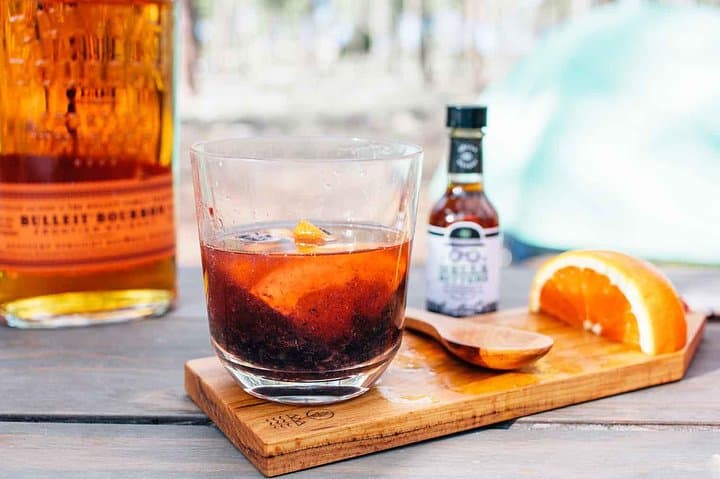
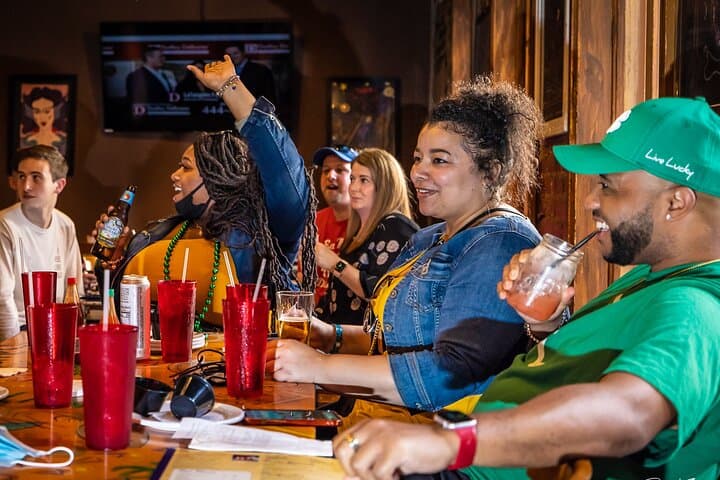
This is part cocktail crawl, part urban history lesson. The route threads through the oldest streets of New Orleans, stopping at long-running saloons where recipes for Sazeracs and Ramos Gin Fizzes were refined, and at experimental bars where younger bartenders riff on absinthe and local cane spirits. The French Quarter itself is built of raised courtyards, cast-iron balconies, and streets that still map to early colonial lot lines—features that shaped how public life, and nightlife, grew here.
Geology and geography matter: the city is low and flat, a place where creeks once braided into bayous and the river’s dominance shaped trade and flavors. Culturally, each bar is a micro-museum of migration and invention—Creole influences, African diasporic rhythms, French and Spanish colonial legacies—conversational context that the guide uses to explain why a cocktail tastes the way it does.
Practicalities are clean and simple. The two-hour walking tour is easy on the legs—expect under a mile of walking on mostly paved sidewalks, with frequent stops and one complimentary cocktail included. Groups are limited (about 20), the route is wheelchair-accessible, and service animals are allowed. Bring a government ID; bars will ask. Hydrate before you start and pace your drinks—samples are generous but meant to be sipped.
Packing advice: comfortable shoes for uneven sidewalk stones, a light rain jacket for sudden Gulf storms, and a small card or cash for extra drinks or tips. If you want pictures, aim for early evening light—street lamps and neon mix well—and keep a lens that handles low light.
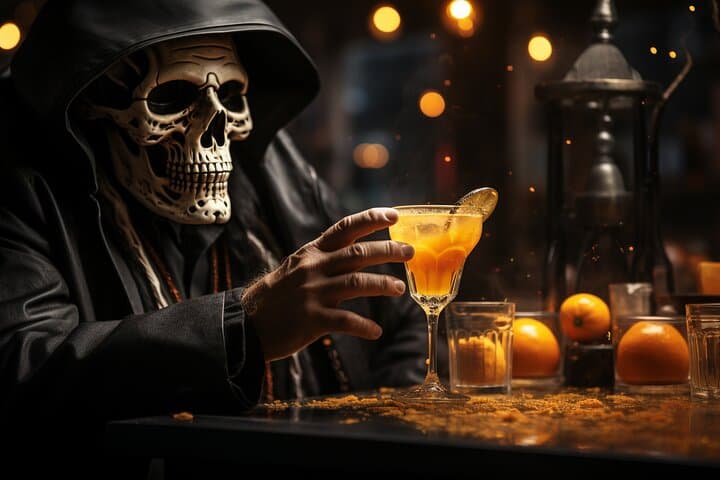
The Haunted French Quarter Original Cocktail Tour is less a haunted-house spectacle and more an atmospheric walk through a living neighborhood where spirits—both distilled and historical—have long been part of the social fabric. It’s ideal for anyone who wants to learn where New Orleans’ best bars grew from, taste classic and contemporary cocktails, and leave with a clearer map of where to return on your own.
easy.
2 hours.
Suitable for all fitness levels; involves short, frequent walks and standing at bars.
The tour lasts approximately two hours and covers under a mile of walking with multiple bar stops.
Yes—each guest receives one complimentary cocktail during the tour; additional drinks are available for purchase.
Yes—surfaces and areas visited are wheelchair accessible, and service animals are allowed.
Bring a government ID, comfortable shoes, and a payment method for extra drinks or tips.
Full refunds are available if you cancel at least 24 hours before the scheduled departure time.
It’s more atmospheric than horror-focused—stories weave history and local lore alongside cocktail stops rather than theatrical scares.
The French Quarter grew from 18th-century colonial trade; its bars reflect layers of Creole, French, Spanish, and Caribbean influence that shaped local ingredients and drinking customs.
Be mindful of litter—bars and tours should minimize single-use plastics and respect historic architecture; choose refillable bottles and dispose of waste properly.
Taste of Nawlins Culinary History Tour operates guided outdoor trips and adventures with an emphasis on safety, stewardship, and memorable experiences.
The tour begins on a humid New Orleans evening, when the gas lamps take their small, steady breaths and the pavements of the French Quarter start to hold the day’s warmth. A guide waits in front of Ryan’s Irish Pub as the crowd gathers—20 or fewer people, each carrying the deliberate curiosity of someone ready to trade a predictable night for a string of bars and a few good stories. The city’s rhythm is immediate here: brass filters out from a corner club, the Mississippi’s current seems to push the air south, and the first clink of ice in a shaker announces the start of a walking performance punctuated by cocktails.
The tour begins on a humid New Orleans evening, when the gas lamps take their small, steady breaths and the pavements of the French Quarter start to hold the day’s warmth. A guide waits in front of Ryan’s Irish Pub as the crowd gathers—20 or fewer people, each carrying the deliberate curiosity of someone ready to trade a predictable night for a string of bars and a few good stories. The city’s rhythm is immediate here: brass filters out from a corner club, the Mississippi’s current seems to push the air south, and the first clink of ice in a shaker announces the start of a walking performance punctuated by cocktails.
This is part cocktail crawl, part urban history lesson. The route threads through the oldest streets of New Orleans, stopping at long-running saloons where recipes for Sazeracs and Ramos Gin Fizzes were refined, and at experimental bars where younger bartenders riff on absinthe and local cane spirits. The French Quarter itself is built of raised courtyards, cast-iron balconies, and streets that still map to early colonial lot lines—features that shaped how public life, and nightlife, grew here.
Geology and geography matter: the city is low and flat, a place where creeks once braided into bayous and the river’s dominance shaped trade and flavors. Culturally, each bar is a micro-museum of migration and invention—Creole influences, African diasporic rhythms, French and Spanish colonial legacies—conversational context that the guide uses to explain why a cocktail tastes the way it does.
Practicalities are clean and simple. The two-hour walking tour is easy on the legs—expect under a mile of walking on mostly paved sidewalks, with frequent stops and one complimentary cocktail included. Groups are limited (about 20), the route is wheelchair-accessible, and service animals are allowed. Bring a government ID; bars will ask. Hydrate before you start and pace your drinks—samples are generous but meant to be sipped.
Packing advice: comfortable shoes for uneven sidewalk stones, a light rain jacket for sudden Gulf storms, and a small card or cash for extra drinks or tips. If you want pictures, aim for early evening light—street lamps and neon mix well—and keep a lens that handles low light.
The Haunted French Quarter Original Cocktail Tour is less a haunted-house spectacle and more an atmospheric walk through a living neighborhood where spirits—both distilled and historical—have long been part of the social fabric. It’s ideal for anyone who wants to learn where New Orleans’ best bars grew from, taste classic and contemporary cocktails, and leave with a clearer map of where to return on your own.