THE ADVENTURE COLLECTIVE® · Independent discovery and booking for outdoor travel

Learn sushi from a local chef in an intimate Fort Lauderdale kitchen. This two-hour, BYOB workshop covers rice, rolling techniques, and a four-course menu you eat together.
Learn sushi from a local chef in an intimate Fort Lauderdale kitchen. This two-hour, BYOB workshop covers rice, rolling techniques, and a four-course menu you eat together.
Step inside a sunlit Fort Lauderdale kitchen and the first thing that hits you is the steady hiss of a rice cooker and the faint, salt-sweet memory of the nearby Atlantic pushing air through open windows. The class begins at a long counter where lacquered bamboo mats and neatly measured bowls promise method more than mystery.
Verified experiences and guided adventures in the surrounding area.
Operated by Cozymeal Cooking Classes · Fort Lauderdale, Florida
Step inside a sunlit Fort Lauderdale kitchen and the first thing that hits you is the steady hiss of a rice cooker and the faint, salt-sweet memory of the nearby Atlantic pushing air through open windows. The class begins at a long counter where lacquered bamboo mats and neatly measured bowls promise method more than mystery.
Japanese cuisine arrived in South Florida through waves of global trade and immigrant cooks; today the city’s seafood markets supply local chefs with Gulf-caught fish and tropical produce that shape regional sushi styles. The geology of the area—shallow coastal waters and estuaries—means fresh seafood is central to local menus, and cultural exchange has pushed classical Japanese technique into bright, citrus-forward Floridian interpretations.
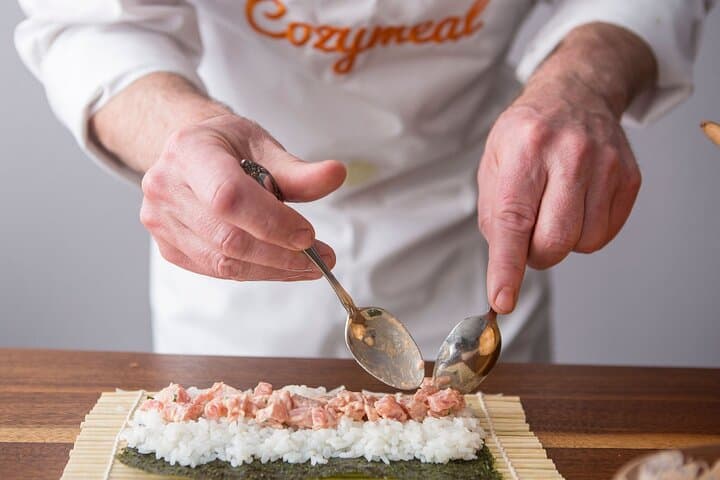
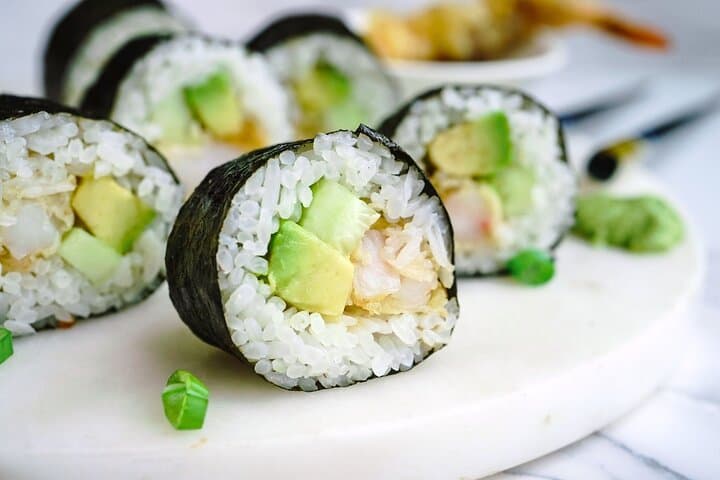
In two hours you’ll move from seasoning sushi rice to rolling spicy tuna and salmon-avocado cucumber maki, guided step-by-step by a pro. The session balances skill drills—rice texture, nori-to-fill ratios, safe knife handling—with sensory checkpoints: how tamari and yuzu shift flavor, how rice temperature alters mouthfeel.
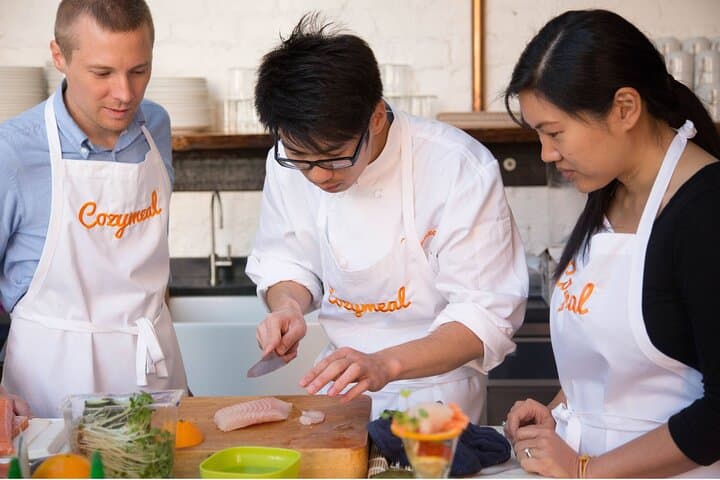
Practical notes: classes are BYOB and small (max eight), wheelchair accessible, and accommodate dietary needs if notified in advance. Wear closed-toe shoes and non-restrictive clothing; bring a notebook or phone for photos. Expect hands-on pacing—short demos followed by practice rounds—and a communal meal at the end.
Whether you want to replicate sushi at home or simply sharpen your palate, this class supplies reproducible techniques and a clearer sense of how Japanese culinary principles meet South Florida ingredients.
easy.
2 hours.
Minimal physical exertion required—comfortable standing for 1.5–2 hours and basic manual dexterity for knife work.
Yes—hosts request advance notice and will adapt ingredients when possible, including vegetarian fillings and substitutes for common allergens.
The class is open to all ages but contact the operator if booking for minors; policies on minors consuming alcohol vary by host.
No prior experience is required; the workshop is designed for beginners and enthusiasts who want hands-on practice.
Parking depends on the specific venue; many central Fort Lauderdale locations offer street parking or nearby lots—check the confirmation message for details.
Fort Lauderdale’s seafood trade and coastal trade routes shaped its culinary scene; sushi and Japanese techniques arrived through post-war globalization and local chef exchanges.
Ask about fish sourcing—many chefs in Broward prioritize sustainably harvested seafood; minimizing food waste and recycling packaging are common practices at local venues.
Cozymeal Cooking Classes operates guided outdoor trips and adventures with an emphasis on safety, stewardship, and memorable experiences.
Step inside a sunlit Fort Lauderdale kitchen and the first thing that hits you is the steady hiss of a rice cooker and the faint, salt-sweet memory of the nearby Atlantic pushing air through open windows. The class begins at a long counter where lacquered bamboo mats and neatly measured bowls promise method more than mystery.
Step inside a sunlit Fort Lauderdale kitchen and the first thing that hits you is the steady hiss of a rice cooker and the faint, salt-sweet memory of the nearby Atlantic pushing air through open windows. The class begins at a long counter where lacquered bamboo mats and neatly measured bowls promise method more than mystery.
Japanese cuisine arrived in South Florida through waves of global trade and immigrant cooks; today the city’s seafood markets supply local chefs with Gulf-caught fish and tropical produce that shape regional sushi styles. The geology of the area—shallow coastal waters and estuaries—means fresh seafood is central to local menus, and cultural exchange has pushed classical Japanese technique into bright, citrus-forward Floridian interpretations.
In two hours you’ll move from seasoning sushi rice to rolling spicy tuna and salmon-avocado cucumber maki, guided step-by-step by a pro. The session balances skill drills—rice texture, nori-to-fill ratios, safe knife handling—with sensory checkpoints: how tamari and yuzu shift flavor, how rice temperature alters mouthfeel.
Practical notes: classes are BYOB and small (max eight), wheelchair accessible, and accommodate dietary needs if notified in advance. Wear closed-toe shoes and non-restrictive clothing; bring a notebook or phone for photos. Expect hands-on pacing—short demos followed by practice rounds—and a communal meal at the end.
Whether you want to replicate sushi at home or simply sharpen your palate, this class supplies reproducible techniques and a clearer sense of how Japanese culinary principles meet South Florida ingredients.