THE ADVENTURE COLLECTIVE® · Independent discovery and booking for outdoor travel

Make fresh fettuccine by hand with a local Pittsburgh chef in a lively two-hour class. Learn dough technique, rolling, and a farm-fresh marinara you can reproduce at home.
Make fresh fettuccine by hand with a local Pittsburgh chef in a lively two-hour class. Learn dough technique, rolling, and a farm-fresh marinara you can reproduce at home.
You step into a low-lit workshop above a neighborhood bar; flour dusts the stainless table and the room smells of olive oil and warm garlic. Chef Dix greets the group, demoing a simple dough that yields under his hands like a pliant river, then hands you the paddle to shape it yourself. For the next two hours you’ll knead, roll, and coax fettuccine from a handful of eggs and flour, and learn to build a marinara that sings with basil and butter.
Verified experiences and guided adventures in the surrounding area.
Operated by Classpop! · Pittsburgh, Pennsylvania
You step into a low-lit workshop above a neighborhood bar; flour dusts the stainless table and the room smells of olive oil and warm garlic. Chef Dix greets the group, demoing a simple dough that yields under his hands like a pliant river, then hands you the paddle to shape it yourself. For the next two hours you’ll knead, roll, and coax fettuccine from a handful of eggs and flour, and learn to build a marinara that sings with basil and butter.
Pittsburgh’s food culture reflects waves of immigrants—Italian grocers and coal-and-steel workers who brought durable, comforting recipes to river towns. The city’s position at the confluence of three rivers shaped how ingredients and cultures arrived, creating a gritty, practical culinary identity that prizes technique over fuss.
Expect a fast-paced, social session focused on fundamentals: dough hydration, resting times, rolling pressure, and the chemistry of sauce balance. The venue is a public food-and-drink space, so energy is lively and communal rather than formal. Chef Dix offers tips you can replicate at home—timings for pasta water, when to salt, and how to rescue a sauce.
Planning notes: arrive 10 minutes early to check in, tell hosts about allergies in advance, and wear clothes you don’t mind flouring. The class is beginner-friendly and accessible, but requires standing and manual dexterity. You’ll leave with a plated meal you made and practical skills to make fresh pasta again.
easy.
2 hours.
Light—suitable for most people who can stand for 2 hours and perform light manual tasks
No—this class is designed for beginners and focuses on practical techniques and hands-on instruction.
Yes; the listing indicates wheelchair accessibility, but contact the operator ahead of time for specifics about entry and table setup.
This particular listing is a shared class; inquire with the host about private events or group bookings if you need exclusivity.
Yes—you’ll eat what you prepare in class and may bring leftovers home if you bring a container; portions are a full meal.
Pittsburgh’s mid-20th-century immigrant communities—particularly Italian—shaped a pragmatic, flavor-forward cooking tradition that survives in today’s hands-on classes.
Look for classes using seasonal, locally sourced produce; reducing food waste and choosing local ingredients helps cut the carbon footprint tied to imported items.
Classpop! operates guided outdoor trips and adventures with an emphasis on safety, stewardship, and memorable experiences.
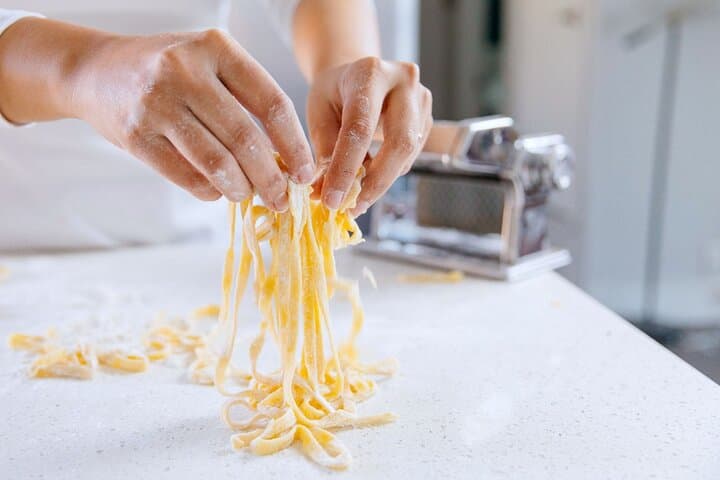
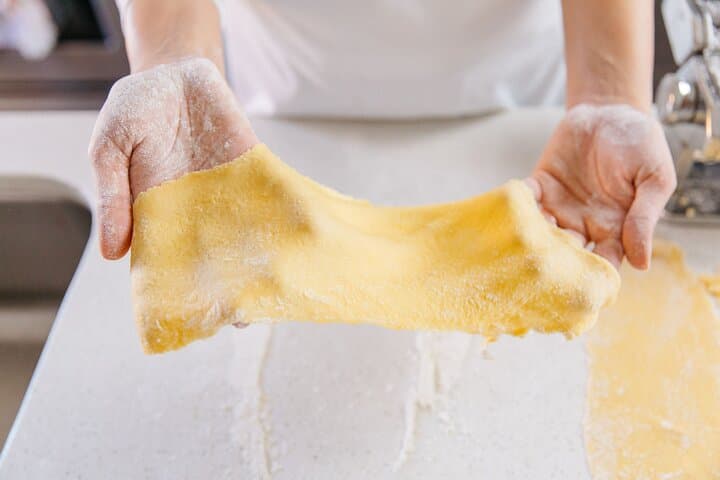
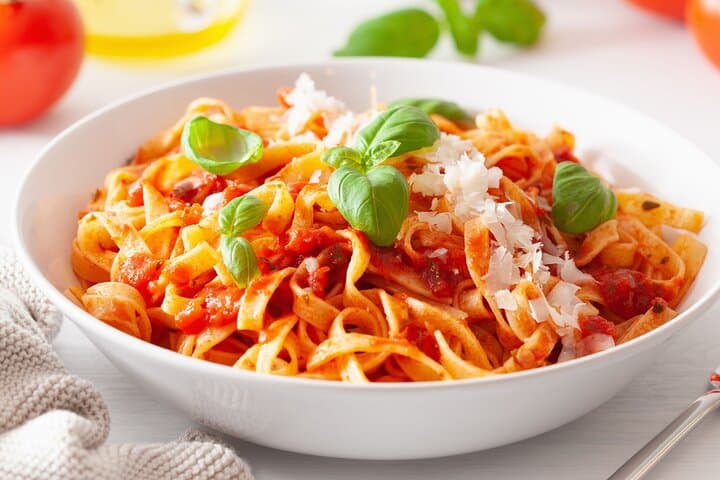
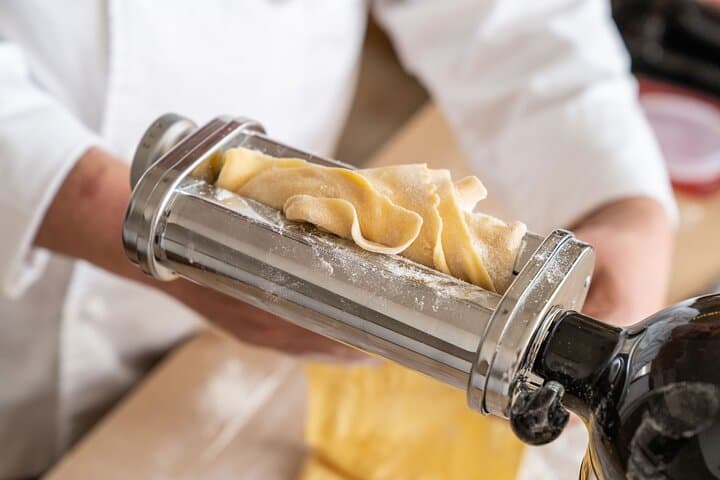
You step into a low-lit workshop above a neighborhood bar; flour dusts the stainless table and the room smells of olive oil and warm garlic. Chef Dix greets the group, demoing a simple dough that yields under his hands like a pliant river, then hands you the paddle to shape it yourself. For the next two hours you’ll knead, roll, and coax fettuccine from a handful of eggs and flour, and learn to build a marinara that sings with basil and butter.
You step into a low-lit workshop above a neighborhood bar; flour dusts the stainless table and the room smells of olive oil and warm garlic. Chef Dix greets the group, demoing a simple dough that yields under his hands like a pliant river, then hands you the paddle to shape it yourself. For the next two hours you’ll knead, roll, and coax fettuccine from a handful of eggs and flour, and learn to build a marinara that sings with basil and butter.
Pittsburgh’s food culture reflects waves of immigrants—Italian grocers and coal-and-steel workers who brought durable, comforting recipes to river towns. The city’s position at the confluence of three rivers shaped how ingredients and cultures arrived, creating a gritty, practical culinary identity that prizes technique over fuss.
Expect a fast-paced, social session focused on fundamentals: dough hydration, resting times, rolling pressure, and the chemistry of sauce balance. The venue is a public food-and-drink space, so energy is lively and communal rather than formal. Chef Dix offers tips you can replicate at home—timings for pasta water, when to salt, and how to rescue a sauce.
Planning notes: arrive 10 minutes early to check in, tell hosts about allergies in advance, and wear clothes you don’t mind flouring. The class is beginner-friendly and accessible, but requires standing and manual dexterity. You’ll leave with a plated meal you made and practical skills to make fresh pasta again.