THE ADVENTURE COLLECTIVE® · Independent discovery and booking for outdoor travel

Run a drum roaster yourself on the slopes of Kona in this private, hour-long class. Learn roast theory, taste distinct 100% Kona lots, and take home freshly roasted beans.
Run a drum roaster yourself on the slopes of Kona in this private, hour-long class. Learn roast theory, taste distinct 100% Kona lots, and take home freshly roasted beans.
A low, warm sun slides across the volcanic slope as you climb the paved road past Bible First Mission Church toward a stand of stunted kiawe and shade trees. The farm sits above the highway, where the air smells of warm earth and fresh roast; steam and the low thrum of a drum roaster set the pace.
Verified experiences and guided adventures in the surrounding area.
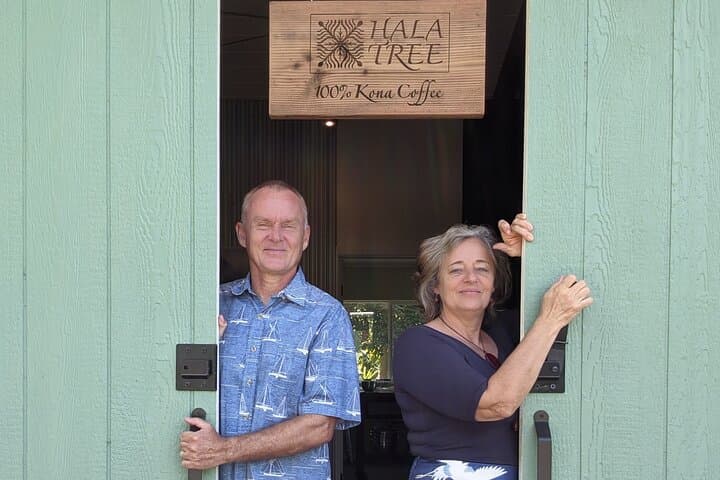
Operated by Hala Tree Coffee · Holualoa, Hawaii
A low, warm sun slides across the volcanic slope as you climb the paved road past Bible First Mission Church toward a stand of stunted kiawe and shade trees. The farm sits above the highway, where the air smells of warm earth and fresh roast; steam and the low thrum of a drum roaster set the pace.
Kona coffee grew from 19th-century plantings on the leeward slopes of Hualālai and Mauna Loa, where porous lava soils and steady trade winds create a narrow, prized growing band. The class introduces you to those place-based details — how elevation, soil and sun alter cup character — and ties them to the multicultural labor history that shaped Kona’s farms.
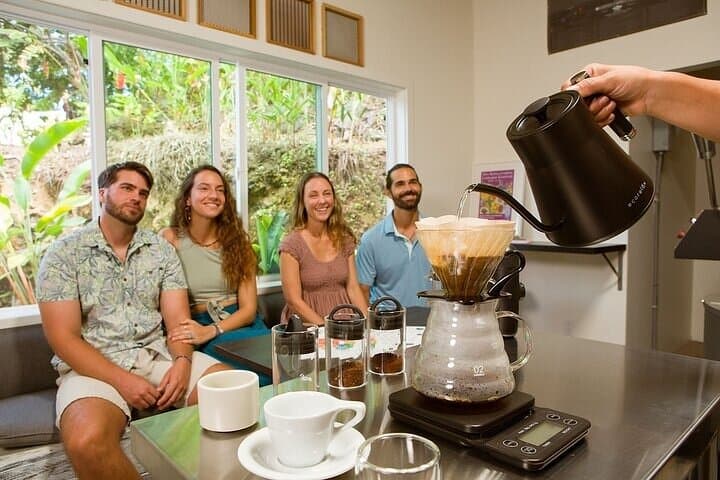
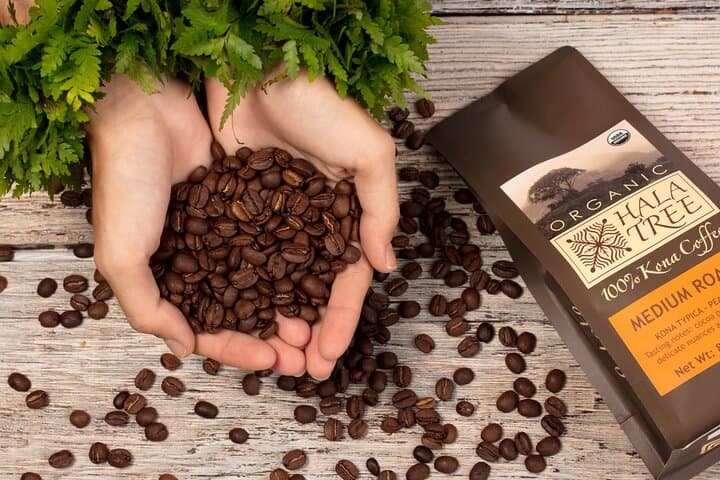
During a 60-minute, private session you’ll watch two production roasts and run the second roast under a roaster’s guidance, learning heat profiles, roast stages and simple sensory checks. The farm is certified organic and sells multiple single-origin lots you can sample afterward.
Practical notes: arrive via Mamalahoa Highway (look for mile marker 109), expect light outdoor walking on uneven farm pavement, and plan 60 minutes for the experience. The class is accessible to most travelers, and the host provides samples to taste roast differences. Bring closed-toe shoes, a reusable bottle, and a small cooler if you plan to buy beans for the flight home. This session blends hands-on technique with grounded local context — ideal for coffee lovers who want the behind-the-scenes mechanics, not just a tasting.
easy.
1 hour.
Light activity; must be able to stand and walk short distances and follow instructions for a supervised hands-on roast.
The private roasting class lasts approximately 60 minutes, including two roasts and sampling.
Yes — under supervision you will operate the roaster for the second production roast to learn hands-on techniques.
The farm lists wheelchair access; there are paved areas but some sections may have slight unevenness — contact the operator ahead for specifics.
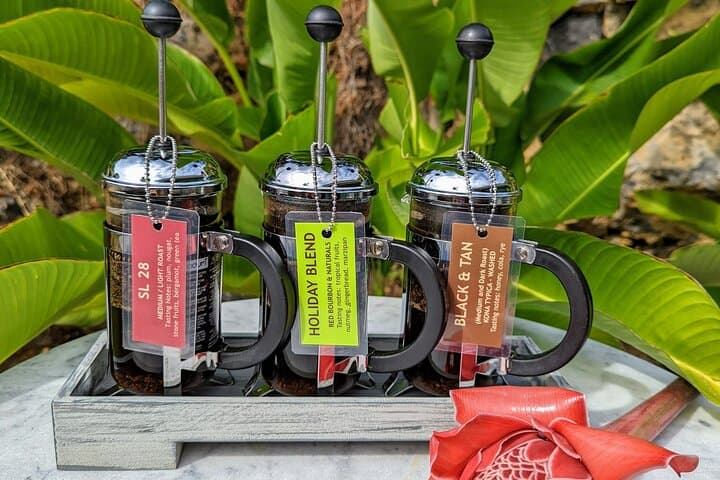
Yes — the farm sells multiple Kona lots and allows sampling of medium and dark roasts after the class.
Kona coffee cultivation began in the 19th century on leeward volcanic slopes; immigrant labor from Japan, the Philippines and elsewhere shaped the small-farm culture still visible today.
This farm is certified organic — buying directly supports practices that reduce chemical runoff and help protect fragile volcanic soils and nearby watersheds.
Hala Tree Coffee operates guided outdoor trips and adventures with an emphasis on safety, stewardship, and memorable experiences.
A low, warm sun slides across the volcanic slope as you climb the paved road past Bible First Mission Church toward a stand of stunted kiawe and shade trees. The farm sits above the highway, where the air smells of warm earth and fresh roast; steam and the low thrum of a drum roaster set the pace.
A low, warm sun slides across the volcanic slope as you climb the paved road past Bible First Mission Church toward a stand of stunted kiawe and shade trees. The farm sits above the highway, where the air smells of warm earth and fresh roast; steam and the low thrum of a drum roaster set the pace.
Kona coffee grew from 19th-century plantings on the leeward slopes of Hualālai and Mauna Loa, where porous lava soils and steady trade winds create a narrow, prized growing band. The class introduces you to those place-based details — how elevation, soil and sun alter cup character — and ties them to the multicultural labor history that shaped Kona’s farms.
During a 60-minute, private session you’ll watch two production roasts and run the second roast under a roaster’s guidance, learning heat profiles, roast stages and simple sensory checks. The farm is certified organic and sells multiple single-origin lots you can sample afterward.
Practical notes: arrive via Mamalahoa Highway (look for mile marker 109), expect light outdoor walking on uneven farm pavement, and plan 60 minutes for the experience. The class is accessible to most travelers, and the host provides samples to taste roast differences. Bring closed-toe shoes, a reusable bottle, and a small cooler if you plan to buy beans for the flight home. This session blends hands-on technique with grounded local context — ideal for coffee lovers who want the behind-the-scenes mechanics, not just a tasting.