THE ADVENTURE COLLECTIVE® · Independent discovery and booking for outdoor travel

A practical half-day introduction to Table Mountain that pairs hotel pickup with a cable car ascent and sweeping views over Cape Town. Great for first-time visitors who want panoramic photo spots and a guided primer on the mountain’s geology and flora.
A practical half-day introduction to Table Mountain that pairs hotel pickup with a cable car ascent and sweeping views over Cape Town. Great for first-time visitors who want panoramic photo spots and a guided primer on the mountain’s geology and flora.
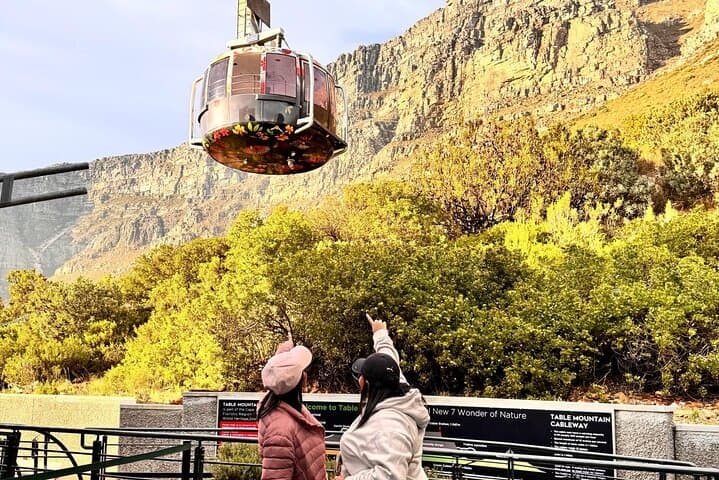
You step into a small shuttle before dawn and the city slides past—colorful row houses, a ribbon of highway, the Atlantic winking on the left. Within 20 minutes the skyline is replaced by a raw cliff: Table Mountain’s sandstone face rises flat and broad, a plateau that seems to hold the sky in place. The guide points out the cable car lower station, and even before the car spins you upward there’s a sense of scale: the ocean daring you to look down, the city unfolding like a folded map.
Verified experiences and guided adventures in the surrounding area.
Operated by Wish2C Tours & Shuttles · Cape Town, Western Cape
You step into a small shuttle before dawn and the city slides past—colorful row houses, a ribbon of highway, the Atlantic winking on the left. Within 20 minutes the skyline is replaced by a raw cliff: Table Mountain’s sandstone face rises flat and broad, a plateau that seems to hold the sky in place. The guide points out the cable car lower station, and even before the car spins you upward there’s a sense of scale: the ocean daring you to look down, the city unfolding like a folded map.
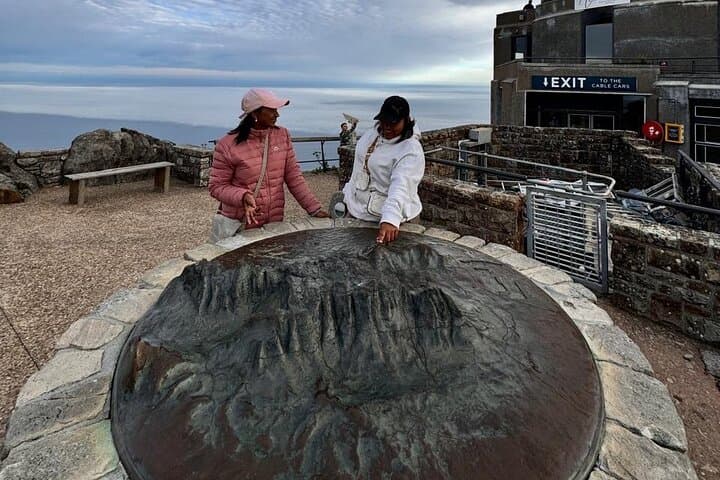
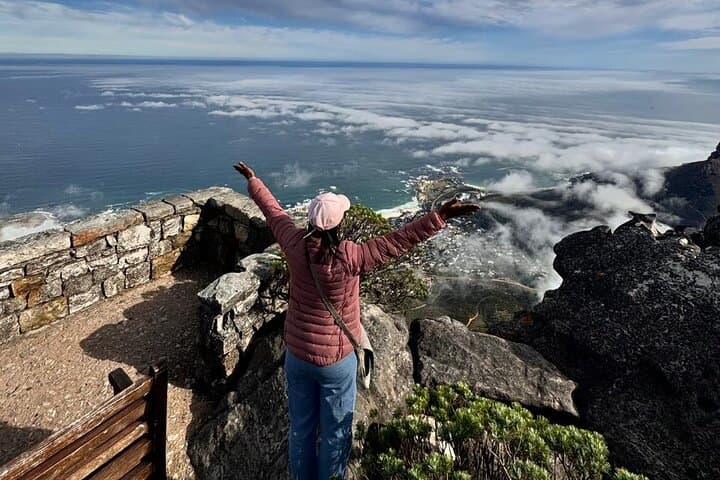
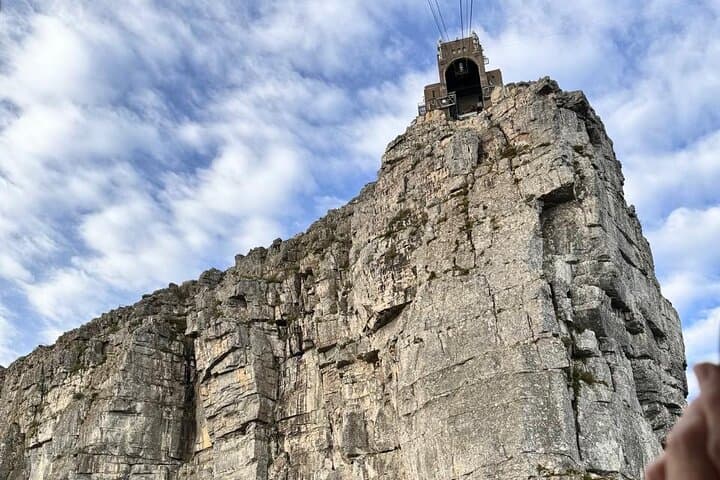
At the top the wind has personality; it moves people and clouds with the same brisk hand. The view is immediate and geometrically precise—Robben Island to the north, Lion’s Head to the west, the long curve of Camps Bay inviting a future swim. Table Mountain’s geology is blunt and honest: thick layers of Table Mountain Sandstone laid down some 300 million years ago, eroded into sheer cliffs and a flat crown. The plateau supports fynbos, a fiercely endemic shrubland that survives on thin soils and periodic fire. The plants here—erica, restio, protea—seem to lean into the spray carried by the sea breeze.
Human stories are layered on top of the rocks. The Khoikhoi and San people used the mountain as a seasonal resource long before European settlers arrived in the 17th century. In modern times the cable car (first installed 1929, rebuilt and modernized several times) transformed access, turning a once-serious climb into an accessible half-day offering that still feels wild. As part of Table Mountain National Park, the plateau is protected—visitors are managed to limit erosion and protect fragile flora.
Practical guidance: this is a five-hour shared tour that includes hotel pickup and drop-off within central Cape Town (within about 5 km). Cable car tickets are not included and are weather-dependent—book yours online to avoid queues and bring a flexible payment method. Dress in layers: mornings can be calm and cool, the plateau can be blustery and much colder. Wear sturdy shoes for walking on uneven sandstone, carry at least 1 liter of water, and bring sunscreen and a hat; the sun hits strongly even when it’s windy.
Timing matters. Morning departures often beat the high winds that arrive later in the day; early light is also the cleanest for photos. The guide will point to short viewpoints and photo spots, explain local plant life, and weave in safety notes. The tour is suitable for most fitness levels and is wheelchair-accessible at the cable car stations, but check in advance for specific mobility needs.
If you want more than photos, return for a full-day hike—Platteklip Gorge is the straightforward route up, while Skeleton Gorge from Kirstenbosch is steeper and more forested. For first-timers this half-day run is the practical, panoramic way to understand why Table Mountain still compels people from around the world.
easy.
5 hours.
Suitable for most fitness levels—minimal walking around the plateau but some uneven ground; mobility assistance available at cable car stations.
No—the tour excludes cable car tickets. You can buy them online ahead of time or at the lower station, but booking online helps avoid lines and potential delays.
The cable car can close in high winds or fog; guides will advise alternatives but refunds for the cable car are handled by the operator—note that the tour provider lists sales as final, so consider flexible planning.
The cable car stations and some viewpoints are wheelchair-accessible, but check with the operator during booking to confirm assistance and pickup arrangements for your specific needs.
Pickup is typically 15 minutes before your scheduled time; the guide will confirm pickup time via email or WhatsApp the day before.
Yes—experienced hikers can arrange to hike up via Platteklip Gorge and meet the group, but the standard itinerary centers on the cable car ascent and is timed accordingly.
The tour includes bottled water and guide commentary, but no full meals—pack snacks if you want more than the short refreshment stop.
Table Mountain has been an important landmark for local Khoikhoi communities and later naval navigators; the cable car opened in 1929 and transformed access for visitors.
Table Mountain is part of a national park protecting fragile fynbos vegetation; stay on marked paths and avoid picking plants to reduce erosion and preserve endemic species.
Wish2C Tours & Shuttles operates guided outdoor trips and adventures with an emphasis on safety, stewardship, and memorable experiences.
You step into a small shuttle before dawn and the city slides past—colorful row houses, a ribbon of highway, the Atlantic winking on the left. Within 20 minutes the skyline is replaced by a raw cliff: Table Mountain’s sandstone face rises flat and broad, a plateau that seems to hold the sky in place. The guide points out the cable car lower station, and even before the car spins you upward there’s a sense of scale: the ocean daring you to look down, the city unfolding like a folded map.
You step into a small shuttle before dawn and the city slides past—colorful row houses, a ribbon of highway, the Atlantic winking on the left. Within 20 minutes the skyline is replaced by a raw cliff: Table Mountain’s sandstone face rises flat and broad, a plateau that seems to hold the sky in place. The guide points out the cable car lower station, and even before the car spins you upward there’s a sense of scale: the ocean daring you to look down, the city unfolding like a folded map.
At the top the wind has personality; it moves people and clouds with the same brisk hand. The view is immediate and geometrically precise—Robben Island to the north, Lion’s Head to the west, the long curve of Camps Bay inviting a future swim. Table Mountain’s geology is blunt and honest: thick layers of Table Mountain Sandstone laid down some 300 million years ago, eroded into sheer cliffs and a flat crown. The plateau supports fynbos, a fiercely endemic shrubland that survives on thin soils and periodic fire. The plants here—erica, restio, protea—seem to lean into the spray carried by the sea breeze.
Human stories are layered on top of the rocks. The Khoikhoi and San people used the mountain as a seasonal resource long before European settlers arrived in the 17th century. In modern times the cable car (first installed 1929, rebuilt and modernized several times) transformed access, turning a once-serious climb into an accessible half-day offering that still feels wild. As part of Table Mountain National Park, the plateau is protected—visitors are managed to limit erosion and protect fragile flora.
Practical guidance: this is a five-hour shared tour that includes hotel pickup and drop-off within central Cape Town (within about 5 km). Cable car tickets are not included and are weather-dependent—book yours online to avoid queues and bring a flexible payment method. Dress in layers: mornings can be calm and cool, the plateau can be blustery and much colder. Wear sturdy shoes for walking on uneven sandstone, carry at least 1 liter of water, and bring sunscreen and a hat; the sun hits strongly even when it’s windy.
Timing matters. Morning departures often beat the high winds that arrive later in the day; early light is also the cleanest for photos. The guide will point to short viewpoints and photo spots, explain local plant life, and weave in safety notes. The tour is suitable for most fitness levels and is wheelchair-accessible at the cable car stations, but check in advance for specific mobility needs.
If you want more than photos, return for a full-day hike—Platteklip Gorge is the straightforward route up, while Skeleton Gorge from Kirstenbosch is steeper and more forested. For first-timers this half-day run is the practical, panoramic way to understand why Table Mountain still compels people from around the world.