THE ADVENTURE COLLECTIVE® · Independent discovery and booking for outdoor travel

A compact half‑day that pairs Cham-era architecture, a seaside whale shrine, a cable-car ascent and the dramatic 49 m Lying Buddha atop Ta Cu Mountain—ideal for travelers who want culture, views and a light dose of hiking.
A compact half‑day that pairs Cham-era architecture, a seaside whale shrine, a cable-car ascent and the dramatic 49 m Lying Buddha atop Ta Cu Mountain—ideal for travelers who want culture, views and a light dose of hiking.
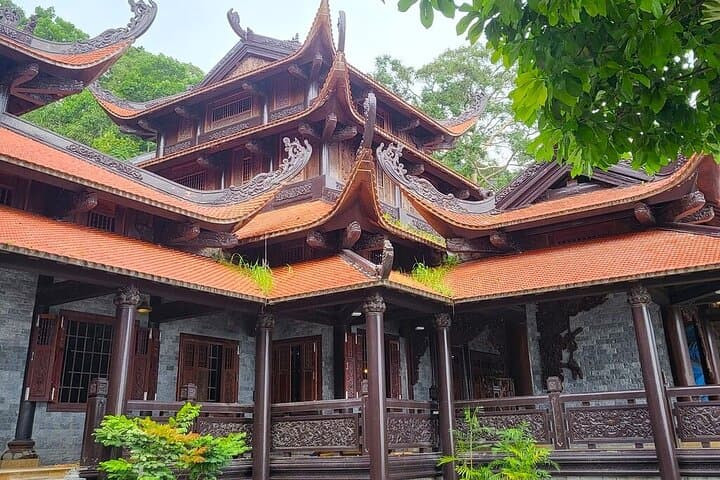
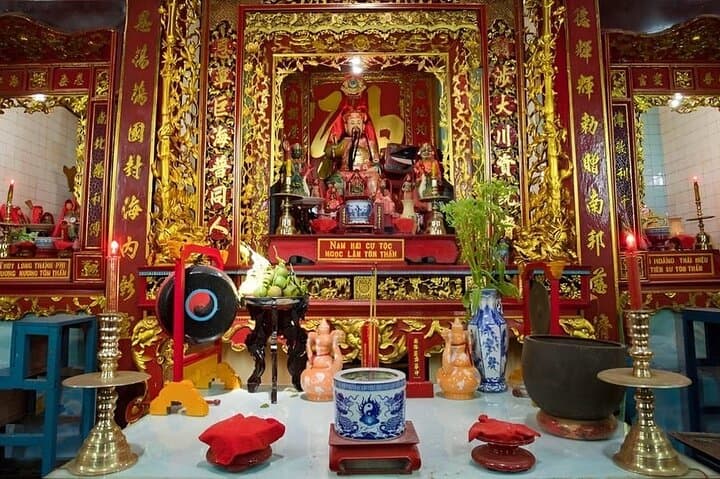
A warm sea breeze stills as you step out of the van in Phan Thiet; the fishing harbor keeps its slow business—nets, boats and a chorus of gulls—while inland Ta Cu Mountain rises with a green, confident silhouette. The tour moves from human-scale history to mountain-scale calm: Po Sha Nhu (Poshanu) Cham Tower sits on a low ridge, its brickwork bearing the quiet geometry of an ancient kingdom. The road then opens to Van Thuy Tu Palace beside the port, where the whale’s skeleton dominates a shrine that honors the town’s seafaring lifeblood.
Verified experiences and guided adventures in the surrounding area.
Operated by Authentic Travel in Vietnam · Phan Thiet, Binh Thuan
A warm sea breeze stills as you step out of the van in Phan Thiet; the fishing harbor keeps its slow business—nets, boats and a chorus of gulls—while inland Ta Cu Mountain rises with a green, confident silhouette. The tour moves from human-scale history to mountain-scale calm: Po Sha Nhu (Poshanu) Cham Tower sits on a low ridge, its brickwork bearing the quiet geometry of an ancient kingdom. The road then opens to Van Thuy Tu Palace beside the port, where the whale’s skeleton dominates a shrine that honors the town’s seafaring lifeblood.
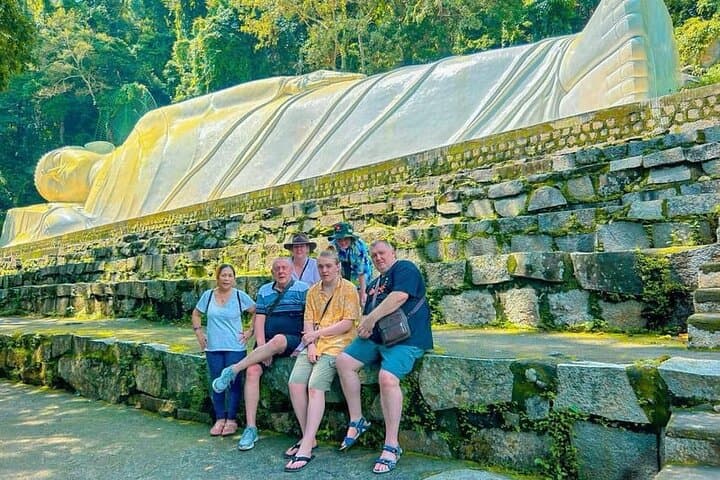
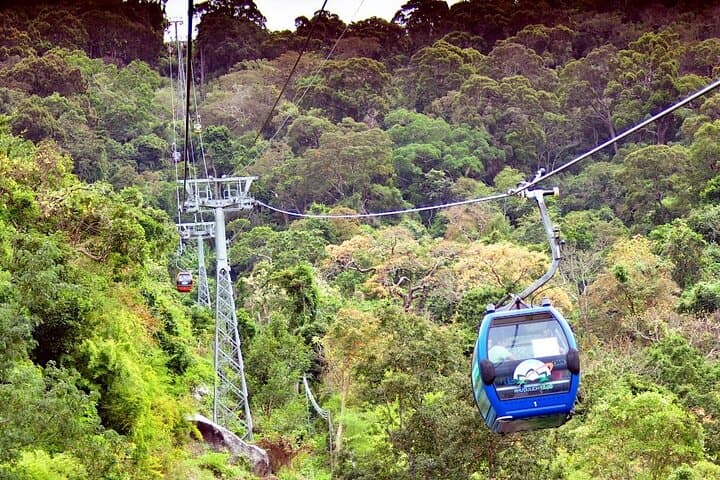
A cable car hums you up Ta Cu, the valley below folding away until the final 100 steps deliver you to the 49‑meter Lying Buddha. The statue’s presence is abrupt and still; the forest leans in as if listening. Geologically the area is coastal lowland punctuated by granite outcrops and monsoonal forest pockets that collect mist and small waterfalls—seasonal features that make the ascent sensory, not merely visual.
Finish at a dragon fruit farm, where spiny pads trained on trellises reveal the agricultural rhythm behind the tourist postcard. This half‑day itinerary balances culture, short active sections and easy transit: expect light walking, a cable car ride, and several short stops for photography and local stories.
Practical tips: book morning slots to avoid the hottest part of the day, wear closed shoes for the temple steps, carry a sun hat and refillable water bottle (one bottle is provided), and bring modest clothing for temple visits. The tour is suitable for most fitness levels and gives a compact but varied snapshot of Phan Thiet’s coastal and cultural landscape.
easy.
5 hours.
Suitable for most travelers; minimal fitness required for the short stair climbs and walking at sites.
The tour is approximately 5 hours and typically includes hotel pickup/drop-off in Mui Ne/Phan Thiet, entrance tickets, cable car round trip, a guide and one bottle of water.
The tour uses the cable car for most guests; there is a walking route and steps to the Lying Buddha for those who prefer to climb, but it requires more time and effort.
Yes—sites are family-friendly. The only active element is the short staircase to the Buddha; the cable car makes access easier for less mobile guests.
Visa requirements depend on your nationality—carry your passport and any applicable visas; the tour itself requires no special documents beyond your booking confirmation.
Phan Thiet and the surrounding coast were long-term contact zones between Cham seafarers and later Vietnamese settlers; Po Sha Nhu Tower dates to the Cham period and reflects that maritime cultural heritage.
Ta Cu’s forest patches are fragile; stick to marked paths, avoid single-use plastics on site, and support local guides who practice low-impact touring.
Authentic Travel in Vietnam operates guided outdoor trips and adventures with an emphasis on safety, stewardship, and memorable experiences.
A warm sea breeze stills as you step out of the van in Phan Thiet; the fishing harbor keeps its slow business—nets, boats and a chorus of gulls—while inland Ta Cu Mountain rises with a green, confident silhouette. The tour moves from human-scale history to mountain-scale calm: Po Sha Nhu (Poshanu) Cham Tower sits on a low ridge, its brickwork bearing the quiet geometry of an ancient kingdom. The road then opens to Van Thuy Tu Palace beside the port, where the whale’s skeleton dominates a shrine that honors the town’s seafaring lifeblood.
A warm sea breeze stills as you step out of the van in Phan Thiet; the fishing harbor keeps its slow business—nets, boats and a chorus of gulls—while inland Ta Cu Mountain rises with a green, confident silhouette. The tour moves from human-scale history to mountain-scale calm: Po Sha Nhu (Poshanu) Cham Tower sits on a low ridge, its brickwork bearing the quiet geometry of an ancient kingdom. The road then opens to Van Thuy Tu Palace beside the port, where the whale’s skeleton dominates a shrine that honors the town’s seafaring lifeblood.
A cable car hums you up Ta Cu, the valley below folding away until the final 100 steps deliver you to the 49‑meter Lying Buddha. The statue’s presence is abrupt and still; the forest leans in as if listening. Geologically the area is coastal lowland punctuated by granite outcrops and monsoonal forest pockets that collect mist and small waterfalls—seasonal features that make the ascent sensory, not merely visual.
Finish at a dragon fruit farm, where spiny pads trained on trellises reveal the agricultural rhythm behind the tourist postcard. This half‑day itinerary balances culture, short active sections and easy transit: expect light walking, a cable car ride, and several short stops for photography and local stories.
Practical tips: book morning slots to avoid the hottest part of the day, wear closed shoes for the temple steps, carry a sun hat and refillable water bottle (one bottle is provided), and bring modest clothing for temple visits. The tour is suitable for most fitness levels and gives a compact but varied snapshot of Phan Thiet’s coastal and cultural landscape.