THE ADVENTURE COLLECTIVE® · Independent discovery and booking for outdoor travel

Two hours of clear-water rapids and quiet pools on the Seti River offer a perfect introduction to Nepal rafting. This half-day trip from Pokhara mixes playable Class II–III rapids, scenic gorges and a riverside lunch—ideal for travelers short on time.
Two hours of clear-water rapids and quiet pools on the Seti River offer a perfect introduction to Nepal rafting. This half-day trip from Pokhara mixes playable Class II–III rapids, scenic gorges and a riverside lunch—ideal for travelers short on time.
The boat nosed into a current that seemed to have its own will: clear, cold Seti water pushing against the hull, threading the raft through a narrow gorge while forested slopes flashed by. Paddles dipped in unison; laughter and shouted commands braided with the splash of the river. For two hours the canyon compresses and expands—quick bursts of whitewater followed by broad, reflective pools where you can catch your breath and watch kingfishers quarter the surface.
Verified experiences and guided adventures in the surrounding area.
Operated by Peak to Peak Tours and Treks Pvt Ltd · Pokhara, Gandaki Province
The boat nosed into a current that seemed to have its own will: clear, cold Seti water pushing against the hull, threading the raft through a narrow gorge while forested slopes flashed by. Paddles dipped in unison; laughter and shouted commands braided with the splash of the river. For two hours the canyon compresses and expands—quick bursts of whitewater followed by broad, reflective pools where you can catch your breath and watch kingfishers quarter the surface.
Geology and history shape the scene. The Seti Gandaki slices through young Himalayan foothills, carving steep limestone walls and exposing layered terraces where centuries of farming cling to the slopes. Pokhara, a short drive from the launch point, grew around these waters—first as a trade and salt route and now as Nepal’s adventure gateway. The river’s clarity comes from glacial-fed tributaries upstream; its temperament, a mix of Class II and III rapids, reflects seasonal melt and monsoon swings.
Culture sits close to the banks. Villages you pass send curious waves, and terraced rice paddies and small stone shrines punctuate the foothills—reminders that life here follows the rhythms of water and harvest. Guides often point out forested pockets where langur monkeys forage and where migratory birds stop in spring and autumn.
This half-day run is designed for newcomers and travelers short on time. The route alternates paddling instruction, guided line calls and playful rapids that coax you into teamwork without demanding technical precision. Safety is procedural: helmets, life jackets, and a guide who reads the river like a page. After the final rapid, the group pulls ashore for a riverside lunch—simple local fare and time to dry off before the short drive back to Pokhara.
Practical planning matters. Aim for morning departures to catch lower afternoon winds and clearer views across the hills. Wear quick-dry layers and closed-toe water shoes; expect to get splashed. If you’re visiting during monsoon (June–September) the river runs fuller and faster; operators may adjust the route. Book with operators that provide certified guides and check whether pickup from your Pokhara hotel is included.
For photographers, the glassy pools after rapids make the best reflections; for birders, the quieter bends are worth a binocular sweep. Respect local farms and avoid leaving trash on riverbanks—these valleys’ health depends on visitors as much as guides.
Whether you come to test a little whitewater or to fold a new story into a Nepal itinerary, the Seti River half-day run offers a compact dose of motion, scenery and local flavor—fast enough for a morning thrill, gentle enough to leave you smiling at lunch.
moderate.
2–3 hours.
Moderate fitness: able to paddle and follow guide commands; not suitable for serious cardiac issues.
The on-river portion runs about 90–120 minutes within a half-day program that includes transport and a riverside lunch.
Expect a mix of Class II and Class III rapids—playful and suitable for beginners with an experienced guide.
Yes—most operators include hotel pickup in Pokhara; confirm your hotel is on their pickup list when booking.
Children are allowed but check minimum age and weight policies with the operator; infant seats are sometimes available for transport.
Bring swimwear, a change of clothes, travel insurance details, and any necessary medication; waterproof cases for electronics are recommended.
Trips may proceed during light rain; operators monitor river conditions and will cancel for safety—cancellations typically allow a full refund with 24 hours’ notice.
The Seti has long been a lifeline for communities around Pokhara; its channels and terraces document centuries of Himalayan agriculture and trade routes.
Operators aim to minimize impact by avoiding fragile banks and practicing 'pack out' principles; avoid single-use plastics and respect local farms.
Peak to Peak Tours and Treks Pvt Ltd operates guided outdoor trips and adventures with an emphasis on safety, stewardship, and memorable experiences.
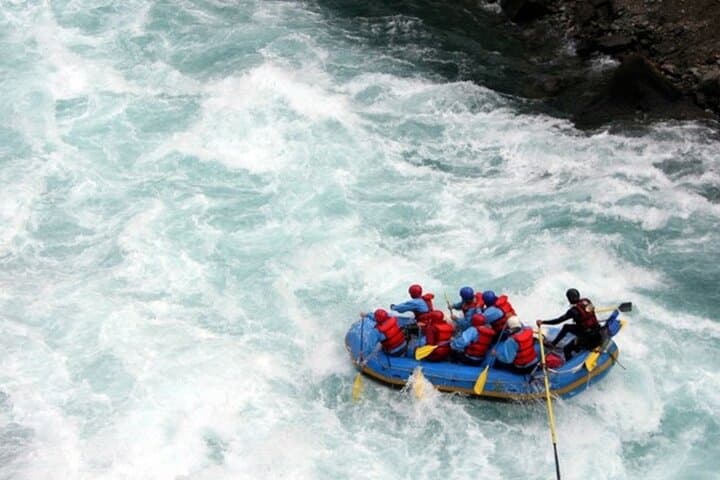
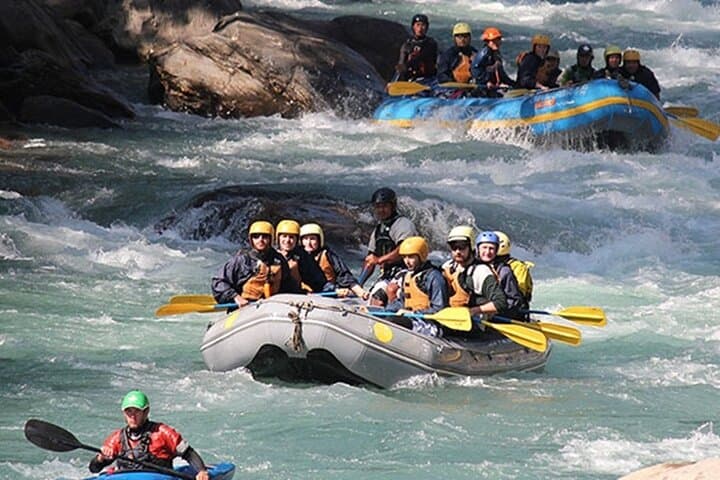
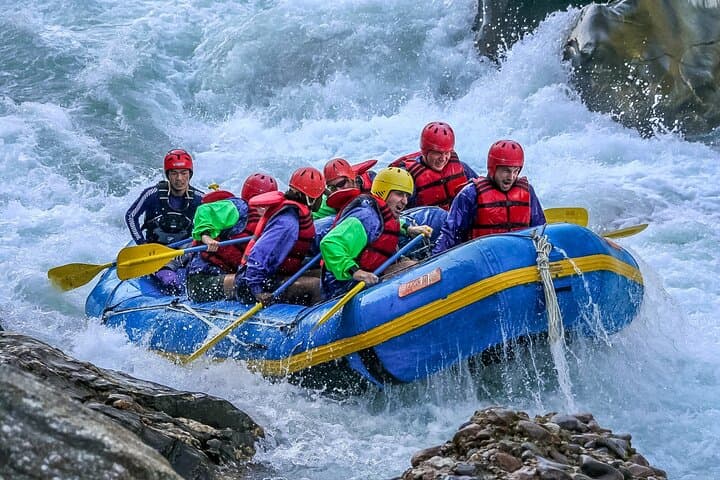
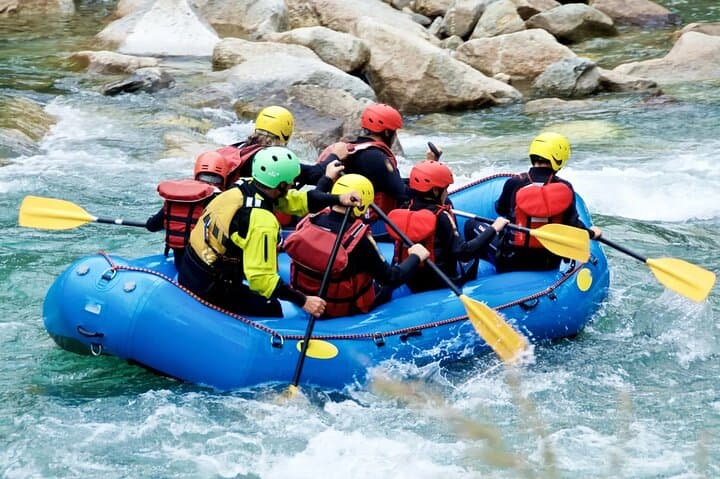
The boat nosed into a current that seemed to have its own will: clear, cold Seti water pushing against the hull, threading the raft through a narrow gorge while forested slopes flashed by. Paddles dipped in unison; laughter and shouted commands braided with the splash of the river. For two hours the canyon compresses and expands—quick bursts of whitewater followed by broad, reflective pools where you can catch your breath and watch kingfishers quarter the surface.
The boat nosed into a current that seemed to have its own will: clear, cold Seti water pushing against the hull, threading the raft through a narrow gorge while forested slopes flashed by. Paddles dipped in unison; laughter and shouted commands braided with the splash of the river. For two hours the canyon compresses and expands—quick bursts of whitewater followed by broad, reflective pools where you can catch your breath and watch kingfishers quarter the surface.
Geology and history shape the scene. The Seti Gandaki slices through young Himalayan foothills, carving steep limestone walls and exposing layered terraces where centuries of farming cling to the slopes. Pokhara, a short drive from the launch point, grew around these waters—first as a trade and salt route and now as Nepal’s adventure gateway. The river’s clarity comes from glacial-fed tributaries upstream; its temperament, a mix of Class II and III rapids, reflects seasonal melt and monsoon swings.
Culture sits close to the banks. Villages you pass send curious waves, and terraced rice paddies and small stone shrines punctuate the foothills—reminders that life here follows the rhythms of water and harvest. Guides often point out forested pockets where langur monkeys forage and where migratory birds stop in spring and autumn.
This half-day run is designed for newcomers and travelers short on time. The route alternates paddling instruction, guided line calls and playful rapids that coax you into teamwork without demanding technical precision. Safety is procedural: helmets, life jackets, and a guide who reads the river like a page. After the final rapid, the group pulls ashore for a riverside lunch—simple local fare and time to dry off before the short drive back to Pokhara.
Practical planning matters. Aim for morning departures to catch lower afternoon winds and clearer views across the hills. Wear quick-dry layers and closed-toe water shoes; expect to get splashed. If you’re visiting during monsoon (June–September) the river runs fuller and faster; operators may adjust the route. Book with operators that provide certified guides and check whether pickup from your Pokhara hotel is included.
For photographers, the glassy pools after rapids make the best reflections; for birders, the quieter bends are worth a binocular sweep. Respect local farms and avoid leaving trash on riverbanks—these valleys’ health depends on visitors as much as guides.
Whether you come to test a little whitewater or to fold a new story into a Nepal itinerary, the Seti River half-day run offers a compact dose of motion, scenery and local flavor—fast enough for a morning thrill, gentle enough to leave you smiling at lunch.