THE ADVENTURE COLLECTIVE® · Independent discovery and booking for outdoor travel

Spend a half day with a local host to see Seoul’s historic palaces, hanok neighborhoods and modern design hubs. This private, flexible walking tour is tailored to your interests—food, history, pop culture or photography.
Spend a half day with a local host to see Seoul’s historic palaces, hanok neighborhoods and modern design hubs. This private, flexible walking tour is tailored to your interests—food, history, pop culture or photography.
You step out of the subway into a river of people and light—Seoul’s streets are moving, bright, and intensely now. Your local host meets you near a landmark station, introduces themselves with a quick bow, and points toward an alley where steam rises from a food tent and a hanok roof peers over a modern façade. For the next three to four hours the city becomes a sequence of lived-in scenes: palace courtyards, narrow craft shops, glass-and-steel design plazas and a coffee shop where conversation flows like the nearby Han River daring you to slow down.
Verified experiences and guided adventures in the surrounding area.
Operated by City Unscripted · Seoul, Seoul
You step out of the subway into a river of people and light—Seoul’s streets are moving, bright, and intensely now. Your local host meets you near a landmark station, introduces themselves with a quick bow, and points toward an alley where steam rises from a food tent and a hanok roof peers over a modern façade. For the next three to four hours the city becomes a sequence of lived-in scenes: palace courtyards, narrow craft shops, glass-and-steel design plazas and a coffee shop where conversation flows like the nearby Han River daring you to slow down.
The walk stitches together threads of history and geology. Gyeongbokgung speaks to the Joseon dynasty’s seat of power; Bukchon’s hanok clusters reveal traditional wooden joinery set against Seoul’s granite-backed ridgelines. Dongdaemun Design Plaza represents Seoul’s rapid industrial-to-tech leap, while Insadong holds older trades, tea rooms and paper shops.
Culturally, expect direct warmth: hosts will offer soju or street snacks and can pivot to K-pop neighborhoods like Gangnam if you prefer modern pop culture over palace lore. The tour’s private format means you can focus on photography, food stops, or quiet temple corners.
Practical guidance: wear broken-in walking shoes, plan for 3–4 hours of mostly flat, urban walking with some cobbled alleys and stairs, and carry a portable charger—the best moments come unannounced. Public transit is the simplest exit strategy if you extend your day. Confirm meeting details with your host after booking; many hosts accommodate wheelchairs and can tailor routes for low-mobility travelers.
easy.
3–4 hours.
Light urban walking; suitable for most fitness levels but expect 2–4 miles on foot and some short stair sections.
After booking you’ll receive a questionnaire and direct contact from your host to set a precise subway exit or landmark meeting point in central Seoul.
Many routes can be adjusted for wheelchair or stroller access—notify the host through the booking questionnaire and they’ll suggest suitable itineraries.
Yes—this private experience is fully flexible; hosts will design the route around your interests, whether food stalls, historical sites or modern pop neighborhoods like Gangnam.
Full refunds are available if you cancel at least 24 hours before the scheduled start time; check your booking confirmation for details.
Seoul’s core grew around dynastic hubs like Gyeongbokgung during the Joseon era; hanok districts preserve traditional wooden architecture amidst modern redevelopment.
Use public transit and reusable containers when possible—Seoul promotes waste separation and many small vendors discourage single-use plastics.
City Unscripted operates guided outdoor trips and adventures with an emphasis on safety, stewardship, and memorable experiences.
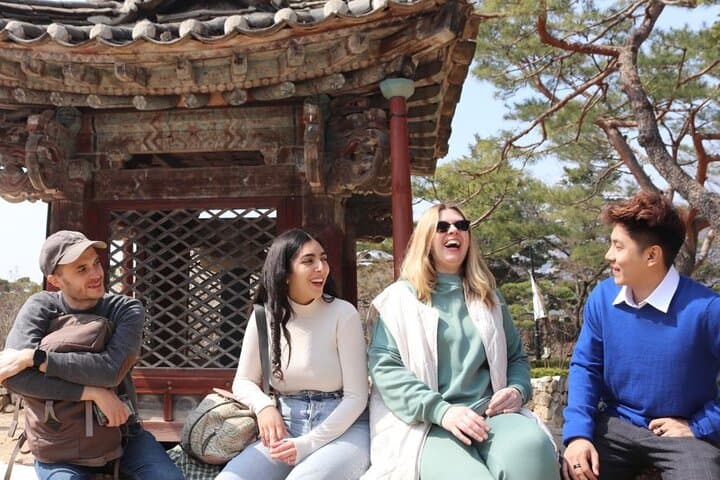
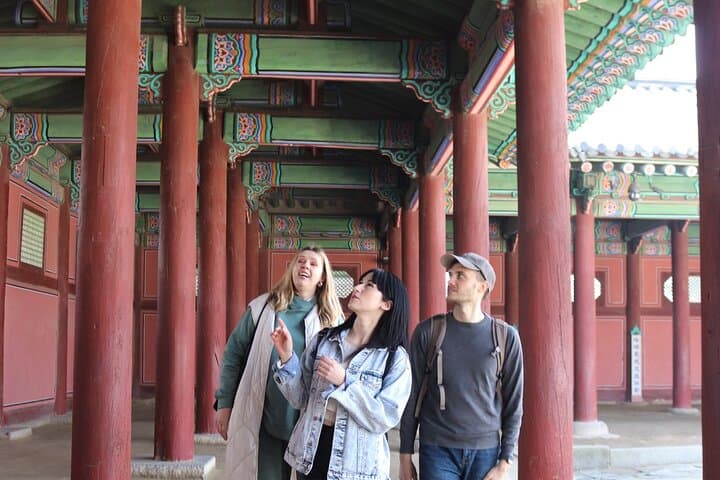
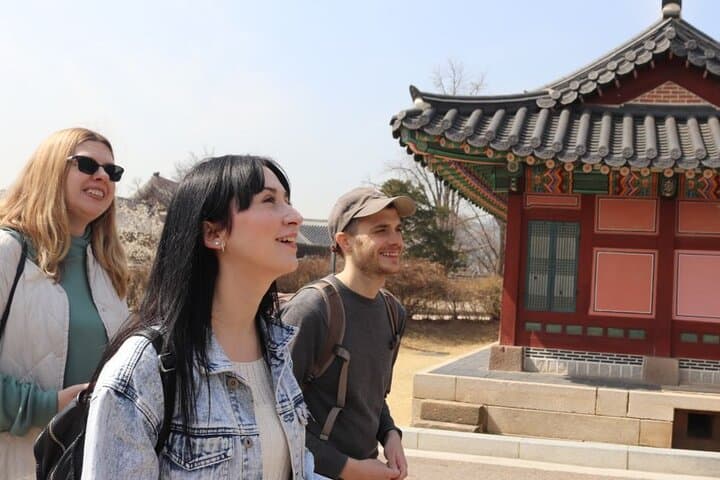
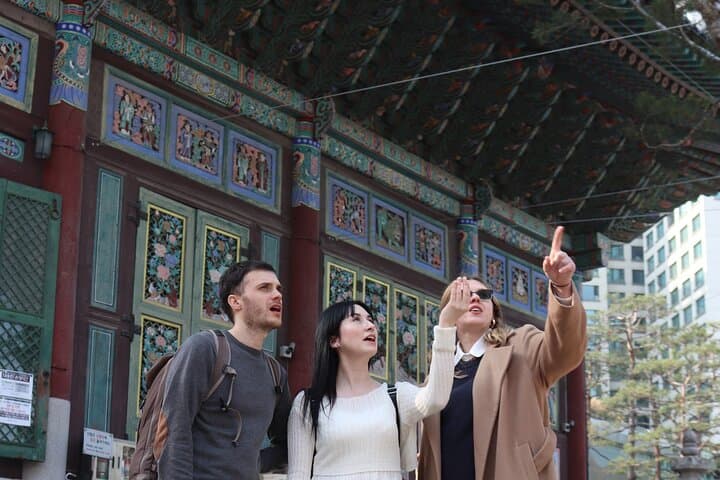
You step out of the subway into a river of people and light—Seoul’s streets are moving, bright, and intensely now. Your local host meets you near a landmark station, introduces themselves with a quick bow, and points toward an alley where steam rises from a food tent and a hanok roof peers over a modern façade. For the next three to four hours the city becomes a sequence of lived-in scenes: palace courtyards, narrow craft shops, glass-and-steel design plazas and a coffee shop where conversation flows like the nearby Han River daring you to slow down.
You step out of the subway into a river of people and light—Seoul’s streets are moving, bright, and intensely now. Your local host meets you near a landmark station, introduces themselves with a quick bow, and points toward an alley where steam rises from a food tent and a hanok roof peers over a modern façade. For the next three to four hours the city becomes a sequence of lived-in scenes: palace courtyards, narrow craft shops, glass-and-steel design plazas and a coffee shop where conversation flows like the nearby Han River daring you to slow down.
The walk stitches together threads of history and geology. Gyeongbokgung speaks to the Joseon dynasty’s seat of power; Bukchon’s hanok clusters reveal traditional wooden joinery set against Seoul’s granite-backed ridgelines. Dongdaemun Design Plaza represents Seoul’s rapid industrial-to-tech leap, while Insadong holds older trades, tea rooms and paper shops.
Culturally, expect direct warmth: hosts will offer soju or street snacks and can pivot to K-pop neighborhoods like Gangnam if you prefer modern pop culture over palace lore. The tour’s private format means you can focus on photography, food stops, or quiet temple corners.
Practical guidance: wear broken-in walking shoes, plan for 3–4 hours of mostly flat, urban walking with some cobbled alleys and stairs, and carry a portable charger—the best moments come unannounced. Public transit is the simplest exit strategy if you extend your day. Confirm meeting details with your host after booking; many hosts accommodate wheelchairs and can tailor routes for low-mobility travelers.