THE ADVENTURE COLLECTIVE® · Independent discovery and booking for outdoor travel

In five hours you can go from coastal Nice to medieval ramparts, cliff-top panoramas and the perfume ateliers of Grasse. This private Provence tour pairs small villages with geological drama and hands-on fragrance history.
In five hours you can go from coastal Nice to medieval ramparts, cliff-top panoramas and the perfume ateliers of Grasse. This private Provence tour pairs small villages with geological drama and hands-on fragrance history.
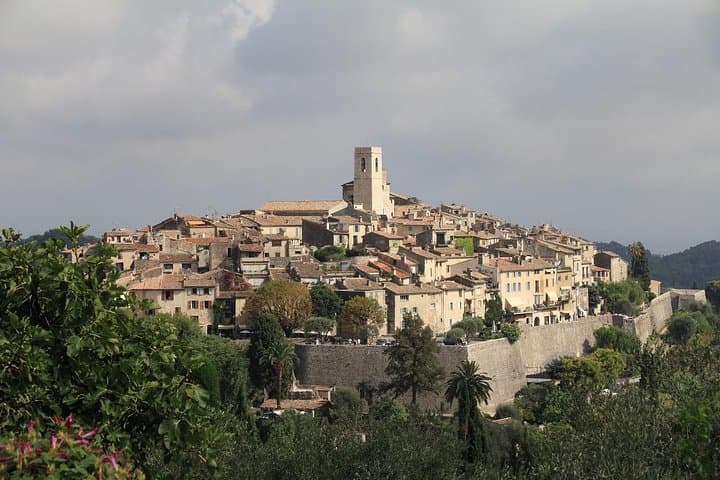
The driver eases the van onto a narrow lane and the Mediterranean light changes the color of stone. In Saint-Paul-de-Vence the afternoon slides across honey-colored facades; shutters clap closed like book covers and the footpaths are a mix of cobbles and art galleries. From the ramparts you look down on patchwork fields that slope toward the Gorges du Loup, a raw incision cut by a river that still insists on finding the sea.
Verified experiences and guided adventures in the surrounding area.
Operated by GATE4TOURS · Nice, Provence-Alpes-Côte d'Azur
The driver eases the van onto a narrow lane and the Mediterranean light changes the color of stone. In Saint-Paul-de-Vence the afternoon slides across honey-colored facades; shutters clap closed like book covers and the footpaths are a mix of cobbles and art galleries. From the ramparts you look down on patchwork fields that slope toward the Gorges du Loup, a raw incision cut by a river that still insists on finding the sea.
This private five-hour loop out of Nice stitches together three very different faces of Provence. Saint-Paul-de-Vence is medieval and art-minded — the Maeght Foundation nearby explains why the village has drawn painters since the early 20th century. Further inland Tourrettes-sur-Loup clings to its cliff with violet-scented boutiques and stone staircases that test your calf muscles. Gourdon claims the title Balcony of the French Riviera: at roughly 610 meters (about 2,000 feet) above sea level it offers edges-of-the-world views over the Loup Canyon, where limestone and water have carved terraces and narrow gorges from millennia of flow.
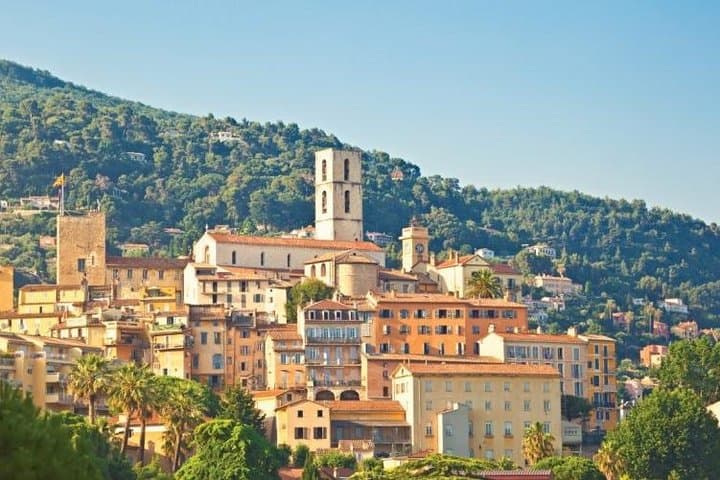
Grasse, the tour's sensory finale, is the world capital of perfume. Its industry grew in the 18th century from local leather tanning — perfumers learned to mask and then replace industrial odors with scents made from jasmine, rose and lavender grown in the hinterland. Today Fragonard, Molinard and Galimard keep the craft alive; you can trace fragrance from raw flower to finished parfum and try your hand as a temporary 'nose'.
Geology and history are on close display: folded limestone, ancient riverbeds and fortified villages placed high for defense. Locals still farm terraces and tend lavender, and the roads that thread between cliffs and orchards reveal why this micro-region sustained villages for centuries.
Practicalities: the tour is private, wheelchair-accessible when arranged, and includes hotel pickup and bottled water. Expect light walking — uneven cobbles, a few short uphill sections and viewpoints that can be windy. Timing matters: mornings and late afternoons have softer light and fewer crowds; mid-day is busiest in Grasse.
Tips for planning: wear grippy shoes for cobbles and viewpoints, bring sunscreen and a refillable water bottle, and set aside cash or a card for small purchases — violet candies, artisan soap or a bottle of eau de parfum. If you want perfume workshop time, mention it when booking so your guide can prioritize a manufacturer visit.
This is a tour for travelers who like history, small-village character and the logic of scent. It moves at a civilized pace, but it leaves you with landscapes still daring you to return.
easy.
5 hours.
Suitable for most travelers with light walking ability; expect short uphill walks and cobblestone streets.
Pickup is available from hotels and select ports in Nice; confirm your exact pickup point when you book.
Yes — the operator lists accessibility options, but some village streets and viewpoints have uneven surfaces; contact the provider ahead to arrange the smoothest route.
Light walking at each stop: expect 20–60 minutes in each village with cobbled streets and some short uphill sections.
Many visits include perfumeries such as Fragonard, Molinard or Galimard; a hands-on workshop should be requested in advance and may incur an extra fee.
No — bottled water is included; allow time for a café snack or lunch in one of the villages if desired.
Full refund is available if you cancel at least 24 hours before departure; shorter notice may not be refundable.
These villages were fortified in the medieval era for defense; Grasse evolved into a perfume center in the 18th century thanks to leather tanning and local flower cultivation.
Water is precious in Provence; support local producers, stay on marked routes and avoid damaging lavender plots or wildflowers.
GATE4TOURS operates guided outdoor trips and adventures with an emphasis on safety, stewardship, and memorable experiences.
The driver eases the van onto a narrow lane and the Mediterranean light changes the color of stone. In Saint-Paul-de-Vence the afternoon slides across honey-colored facades; shutters clap closed like book covers and the footpaths are a mix of cobbles and art galleries. From the ramparts you look down on patchwork fields that slope toward the Gorges du Loup, a raw incision cut by a river that still insists on finding the sea.
The driver eases the van onto a narrow lane and the Mediterranean light changes the color of stone. In Saint-Paul-de-Vence the afternoon slides across honey-colored facades; shutters clap closed like book covers and the footpaths are a mix of cobbles and art galleries. From the ramparts you look down on patchwork fields that slope toward the Gorges du Loup, a raw incision cut by a river that still insists on finding the sea.
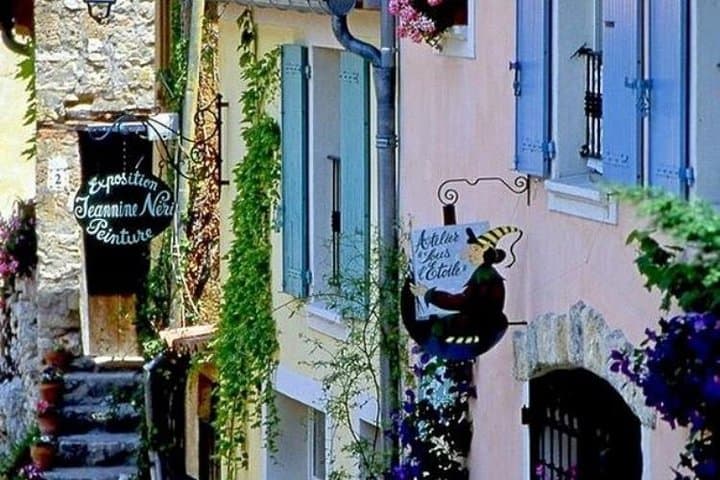
This private five-hour loop out of Nice stitches together three very different faces of Provence. Saint-Paul-de-Vence is medieval and art-minded — the Maeght Foundation nearby explains why the village has drawn painters since the early 20th century. Further inland Tourrettes-sur-Loup clings to its cliff with violet-scented boutiques and stone staircases that test your calf muscles. Gourdon claims the title Balcony of the French Riviera: at roughly 610 meters (about 2,000 feet) above sea level it offers edges-of-the-world views over the Loup Canyon, where limestone and water have carved terraces and narrow gorges from millennia of flow.
Grasse, the tour's sensory finale, is the world capital of perfume. Its industry grew in the 18th century from local leather tanning — perfumers learned to mask and then replace industrial odors with scents made from jasmine, rose and lavender grown in the hinterland. Today Fragonard, Molinard and Galimard keep the craft alive; you can trace fragrance from raw flower to finished parfum and try your hand as a temporary 'nose'.
Geology and history are on close display: folded limestone, ancient riverbeds and fortified villages placed high for defense. Locals still farm terraces and tend lavender, and the roads that thread between cliffs and orchards reveal why this micro-region sustained villages for centuries.
Practicalities: the tour is private, wheelchair-accessible when arranged, and includes hotel pickup and bottled water. Expect light walking — uneven cobbles, a few short uphill sections and viewpoints that can be windy. Timing matters: mornings and late afternoons have softer light and fewer crowds; mid-day is busiest in Grasse.
Tips for planning: wear grippy shoes for cobbles and viewpoints, bring sunscreen and a refillable water bottle, and set aside cash or a card for small purchases — violet candies, artisan soap or a bottle of eau de parfum. If you want perfume workshop time, mention it when booking so your guide can prioritize a manufacturer visit.
This is a tour for travelers who like history, small-village character and the logic of scent. It moves at a civilized pace, but it leaves you with landscapes still daring you to return.