THE ADVENTURE COLLECTIVE® · Independent discovery and booking for outdoor travel

Escape Porto for a private half-day in Peneda-Gerês: short hikes, crystalline waterfall pools, and optional kartcross or water-bike experiences. A compact, sensory introduction to Portugal’s only national park for travelers short on time.
Escape Porto for a private half-day in Peneda-Gerês: short hikes, crystalline waterfall pools, and optional kartcross or water-bike experiences. A compact, sensory introduction to Portugal’s only national park for travelers short on time.
You leave Porto with the city’s slate roofs sliding behind the van window and, within an hour, the road tightens into chestnut and oak, the air getting cooler and smelling of river stones. The guide eases the pace and points to a ribbon of water threading down the mountain—this is Peneda-Gerês, Portugal’s only national park, where streams still dare you to follow them upstream.
Verified experiences and guided adventures in the surrounding area.
Operated by Portugal Autêntico · Terras de Bouro, Braga
You leave Porto with the city’s slate roofs sliding behind the van window and, within an hour, the road tightens into chestnut and oak, the air getting cooler and smelling of river stones. The guide eases the pace and points to a ribbon of water threading down the mountain—this is Peneda-Gerês, Portugal’s only national park, where streams still dare you to follow them upstream.
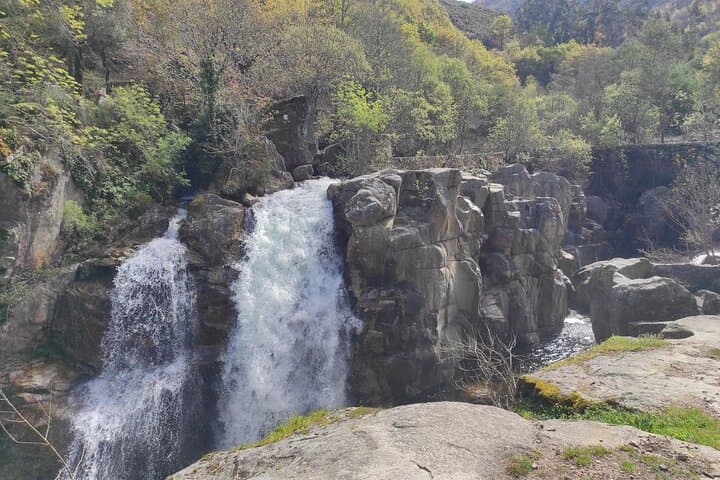
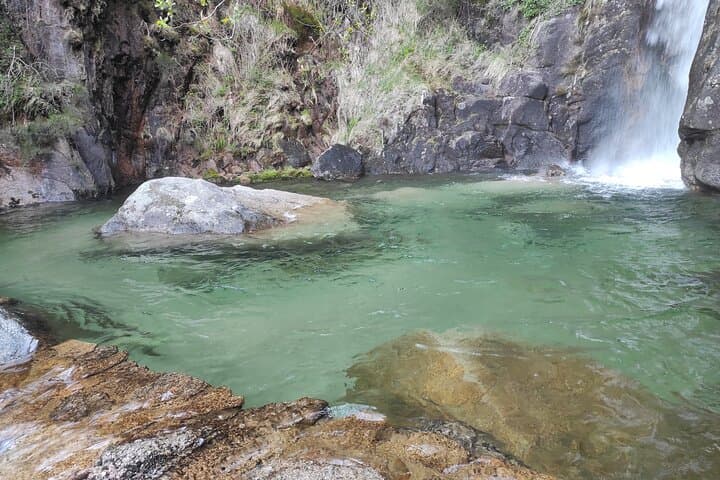
On a half-day private tour from Porto, the itinerary moves fast but thoughtfully: short hikes over moss-soft rock, sudden clear pools that invite a dip, and waterfalls that finish in shallow lagoons framed by granite slabs. The granite here is old—part of the Iberian Massif—weathered into domes and escarpments that channel water into narrow gorges. Human history is present but subtle: shepherd tracks, tiny stone shelters, and the patchwork of rural farms that have shaped the landscape for centuries.
Gerês’s culture is as much about movement as place. Transhumant shepherding, chestnut harvesting and small-scale terracing shaped the park’s mosaic of open pastures and dense holly woods—the latter an unusual ecosystem for Portugal and home to endemic plants like the Gerês lily, a violet-blue flash in the undergrowth. You might also hear local stories of the Vilarinho das Furnas dam, a modern scar and a reminder of shifting land use that continues to affect local villages.
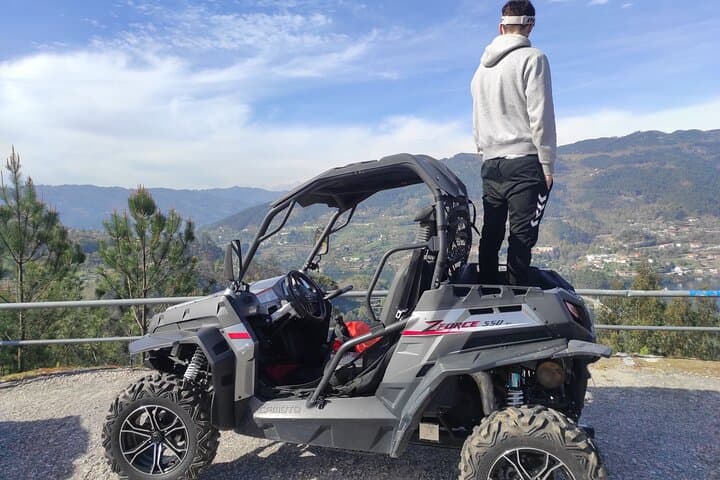
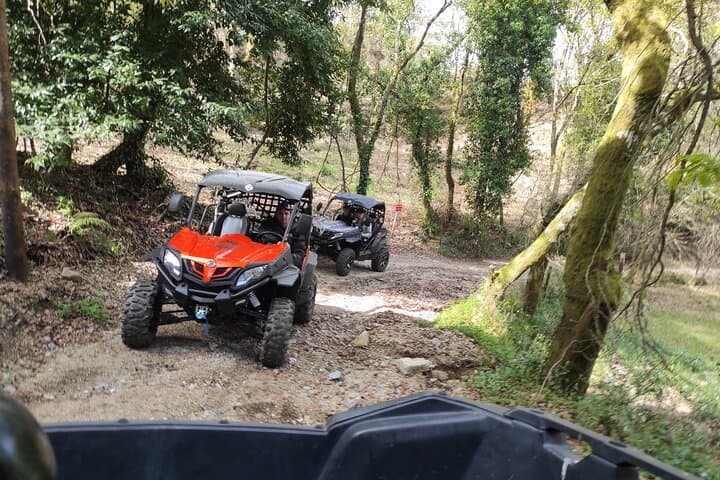
For travelers short on time, this tour compresses the essentials into six hours: two or three brief hiking loops, waterfall viewpoints, time for a swim in crystalline pools (seasonal), and optional highs: a kartcross ride for an adrenaline jolt or a calm water-bike on a still lagoon. Guides supply bottled water and local context—where to look for Garrano ponies grazing, which pools are safe for a plunge, and the best way to leave the park as you found it.
Practical edge: trails are short but uneven; expect granite slabs, wet rocks and occasional steps. Wear grippy shoes, bring a light waterproof, and time your visit for late morning to mid-afternoon when waterfalls are most dramatic and the light in the valleys is clean. If you want photos, aim for the softer light of late afternoon and plan swims for warmer months.
This half-day is an invitation rather than a conquest—an efficient, sensory introduction to Gerês that balances easy hikes, natural swimming holes, and a taste of local outdoor sports, all without the commitment of a full-day trek. For travelers based in Porto who want to trade the Douro’s terraces for mountain water and a quick dose of wild Portugal, it delivers.
moderate.
5–6 hours.
Suitable for average fitness—able to walk on uneven ground and climb short rocky sections.
The drive is about one hour each way depending on traffic; the full experience is approximately six hours including transport.
Swimming is possible at selected pools when conditions and weather allow, but it is optional—bring swimwear if you want to take a dip.
Yes—short, easy hikes make it family-friendly, though uneven terrain may be challenging for very young children or those with mobility issues.
Yes—kartcross and water-bike are optional add-ons; let the operator know in advance to reserve a spot.
Layered clothing, grippy shoes and a light waterproof are recommended; bring sun protection in summer and warmer layers in winter.
Yes—pickup and drop-off from Porto and Braga hotels are included; meeting at a central Porto landmark is also possible.
Peneda-Gerês is Portugal’s only national park, created in 1971 to protect the region’s unique mountain ecology and traditional land uses.
Visitor pressure and hydropower projects have shaped conservation strategies—stick to trails, avoid disturbing wildlife, and follow guide instructions to reduce impact.
Portugal Autêntico operates guided outdoor trips and adventures with an emphasis on safety, stewardship, and memorable experiences.
You leave Porto with the city’s slate roofs sliding behind the van window and, within an hour, the road tightens into chestnut and oak, the air getting cooler and smelling of river stones. The guide eases the pace and points to a ribbon of water threading down the mountain—this is Peneda-Gerês, Portugal’s only national park, where streams still dare you to follow them upstream.
You leave Porto with the city’s slate roofs sliding behind the van window and, within an hour, the road tightens into chestnut and oak, the air getting cooler and smelling of river stones. The guide eases the pace and points to a ribbon of water threading down the mountain—this is Peneda-Gerês, Portugal’s only national park, where streams still dare you to follow them upstream.
On a half-day private tour from Porto, the itinerary moves fast but thoughtfully: short hikes over moss-soft rock, sudden clear pools that invite a dip, and waterfalls that finish in shallow lagoons framed by granite slabs. The granite here is old—part of the Iberian Massif—weathered into domes and escarpments that channel water into narrow gorges. Human history is present but subtle: shepherd tracks, tiny stone shelters, and the patchwork of rural farms that have shaped the landscape for centuries.
Gerês’s culture is as much about movement as place. Transhumant shepherding, chestnut harvesting and small-scale terracing shaped the park’s mosaic of open pastures and dense holly woods—the latter an unusual ecosystem for Portugal and home to endemic plants like the Gerês lily, a violet-blue flash in the undergrowth. You might also hear local stories of the Vilarinho das Furnas dam, a modern scar and a reminder of shifting land use that continues to affect local villages.
For travelers short on time, this tour compresses the essentials into six hours: two or three brief hiking loops, waterfall viewpoints, time for a swim in crystalline pools (seasonal), and optional highs: a kartcross ride for an adrenaline jolt or a calm water-bike on a still lagoon. Guides supply bottled water and local context—where to look for Garrano ponies grazing, which pools are safe for a plunge, and the best way to leave the park as you found it.
Practical edge: trails are short but uneven; expect granite slabs, wet rocks and occasional steps. Wear grippy shoes, bring a light waterproof, and time your visit for late morning to mid-afternoon when waterfalls are most dramatic and the light in the valleys is clean. If you want photos, aim for the softer light of late afternoon and plan swims for warmer months.
This half-day is an invitation rather than a conquest—an efficient, sensory introduction to Gerês that balances easy hikes, natural swimming holes, and a taste of local outdoor sports, all without the commitment of a full-day trek. For travelers based in Porto who want to trade the Douro’s terraces for mountain water and a quick dose of wild Portugal, it delivers.