THE ADVENTURE COLLECTIVE® · Independent discovery and booking for outdoor travel

Spend a half day looping Koh Samui’s highlights—temples, a dramatic viewpoint, curious coastal rocks and a cooling waterfall—guided by someone who knows the island’s stories and shortcuts. This air-conditioned excursion balances short walks with cultural stops, making it a compact primer on Samui.
Spend a half day looping Koh Samui’s highlights—temples, a dramatic viewpoint, curious coastal rocks and a cooling waterfall—guided by someone who knows the island’s stories and shortcuts. This air-conditioned excursion balances short walks with cultural stops, making it a compact primer on Samui.
The day starts before you understand the scale of the island—an air-conditioned van collects you at the hotel, the driver threading through palms that lean like watchful crowds. The guide’s voice, practiced and warm, sketches the route: first the ornate sanctuaries of the east, then the southern rock formations and a waterfall that still insists on startling visitors with its depth and coolness.
Verified experiences and guided adventures in the surrounding area.
Operated by Koh Samui tours, excursions, trips and more - kohsamui.tours · Koh Samui, Surat Thani Province
The day starts before you understand the scale of the island—an air-conditioned van collects you at the hotel, the driver threading through palms that lean like watchful crowds. The guide’s voice, practiced and warm, sketches the route: first the ornate sanctuaries of the east, then the southern rock formations and a waterfall that still insists on startling visitors with its depth and coolness.
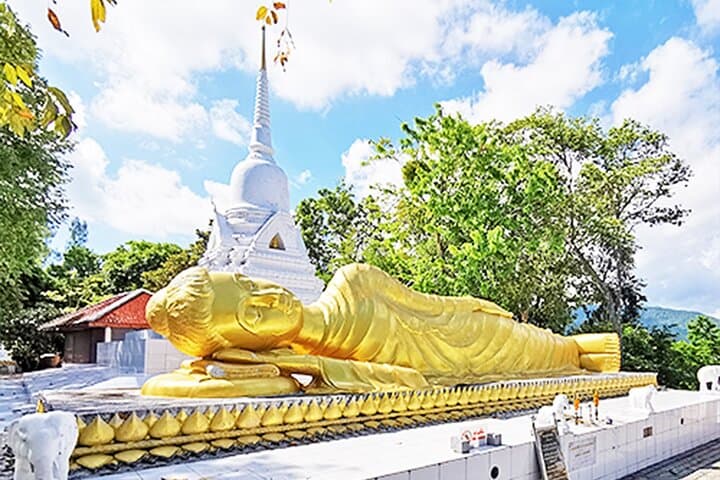
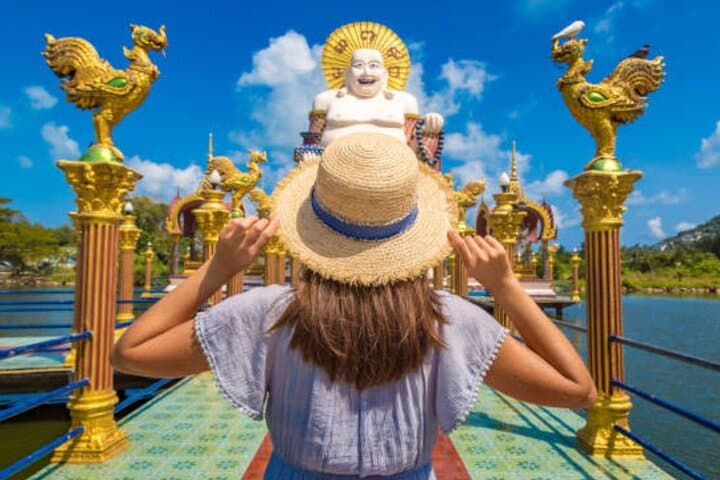
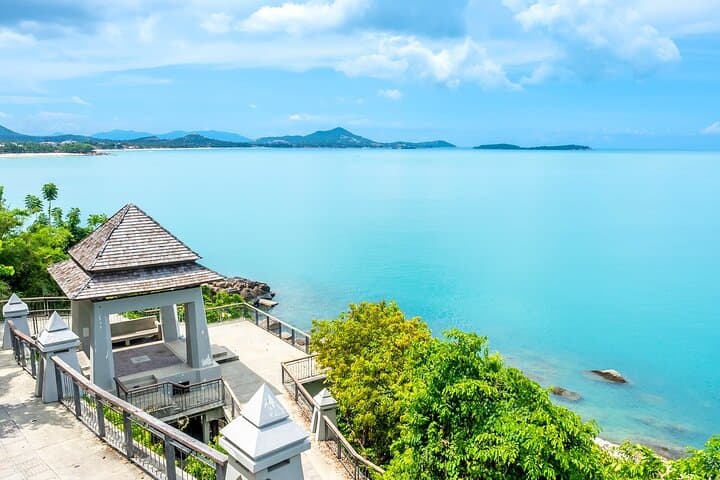
At Wat Plai Laem, lacquered statues gesture across koi-filled ponds and a ninety-nine-arm Guanyin keeps a gentle, constant watch. The shrine’s Chinese-Thai iconography explains generations of migration and belief: traders from Fujian and Guangdong settled here centuries ago and mixed their rituals with local Theravada practices. A short climb to Lad Koh viewpoint gives you a panorama of Chaweng Bay—the sea an active presence, daring you to measure its distance.
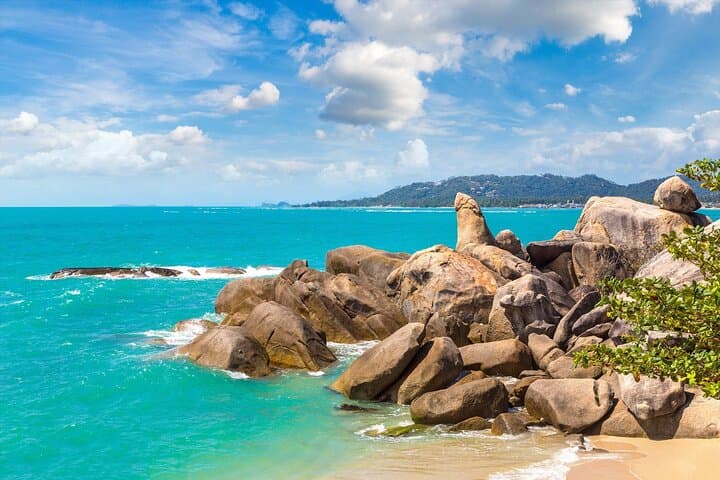
Geology writes itself across the island: Hin Ta and Hin Yai are granite stacks that have been punctured and polished by tides and wind until they look improbably deliberate. Na Muang falls, carved into the island’s central heights, channels the groundwater that feeds Koh Samui; the pool below is a practical reservoir and an invitation. The more recent Bronze Guan Yu statue at the island’s southern road reflects the contemporary pride of the Chinese-Thai community and the ongoing cultural layering.
Local rhythms are palpable—vendors selling coconut shakes near temple gates, monks accepting respectful offerings, fishermen mending nets along quieter bays. The mummified monk at Wat Khunaram is a somber counterpoint, a local curiosity that opens a window into Thai funerary veneration and meditation traditions.
Practical guide: the half-day loop runs 4–5 hours with brief walks at each stop—plan for light hiking up to a few hundred metres and some stair sections at viewpoints and temples. Dress respectfully at sacred sites (shoulders covered, shorts at knee-length). Bring a swimsuit and slip-resistant shoes if you want to wade beneath Na Muang.
Timing matters: mornings are cooler and less crowded; late afternoons bring dramatic light but heavier traffic. Cash is handy for small entrance fees or temple donations; vendors rarely take cards. Hydrate—tropical sun can be insistent—and pack mosquito repellent for shaded spots around the waterfall.
This tour is ideal if you want a concentrated primer on Samui’s geography and cultural highlights without committing a full day. It moves deliberately, giving space for photos, short hikes, and local stories, while a trained guide explains what the landscape and rituals mean—so you leave with more than images: you leave with context and a clear plan to explore further.
easy.
4–5 hours.
Light fitness required—short uphill walks and stairs at viewpoints; suitable for most travelers.
Yes—pickup from hotels on Koh Samui is included; you’ll receive an exact pickup time by the evening before the tour.
Yes; the natural pool is popular for a dip—bring swimwear and water shoes, but check with guides about current conditions.
Most temple grounds are free, though specific attractions sometimes request a small donation or charge an entrance fee.
Generally yes—walking is short and manageable, but the tour is not recommended for people with severe back, heart issues, or pregnant travelers.
Guides are typically multilingual; confirm your preferred language at booking if you need a specific translation.
Tipping is appreciated but not mandatory—around 100–200 THB per person for good service is common.
Koh Samui’s modern identity grew with coconut and fishing industries and waves of Chinese immigration; temples blend Chinese deities with Thai Buddhist practice.
Water use and tourism pressure are ongoing concerns—avoid single-use plastics, respect marked paths at Na Muang, and support local vendors who follow sustainable practices.
Koh Samui tours, excursions, trips and more - kohsamui.tours operates guided outdoor trips and adventures with an emphasis on safety, stewardship, and memorable experiences.
The day starts before you understand the scale of the island—an air-conditioned van collects you at the hotel, the driver threading through palms that lean like watchful crowds. The guide’s voice, practiced and warm, sketches the route: first the ornate sanctuaries of the east, then the southern rock formations and a waterfall that still insists on startling visitors with its depth and coolness.
The day starts before you understand the scale of the island—an air-conditioned van collects you at the hotel, the driver threading through palms that lean like watchful crowds. The guide’s voice, practiced and warm, sketches the route: first the ornate sanctuaries of the east, then the southern rock formations and a waterfall that still insists on startling visitors with its depth and coolness.
At Wat Plai Laem, lacquered statues gesture across koi-filled ponds and a ninety-nine-arm Guanyin keeps a gentle, constant watch. The shrine’s Chinese-Thai iconography explains generations of migration and belief: traders from Fujian and Guangdong settled here centuries ago and mixed their rituals with local Theravada practices. A short climb to Lad Koh viewpoint gives you a panorama of Chaweng Bay—the sea an active presence, daring you to measure its distance.
Geology writes itself across the island: Hin Ta and Hin Yai are granite stacks that have been punctured and polished by tides and wind until they look improbably deliberate. Na Muang falls, carved into the island’s central heights, channels the groundwater that feeds Koh Samui; the pool below is a practical reservoir and an invitation. The more recent Bronze Guan Yu statue at the island’s southern road reflects the contemporary pride of the Chinese-Thai community and the ongoing cultural layering.
Local rhythms are palpable—vendors selling coconut shakes near temple gates, monks accepting respectful offerings, fishermen mending nets along quieter bays. The mummified monk at Wat Khunaram is a somber counterpoint, a local curiosity that opens a window into Thai funerary veneration and meditation traditions.
Practical guide: the half-day loop runs 4–5 hours with brief walks at each stop—plan for light hiking up to a few hundred metres and some stair sections at viewpoints and temples. Dress respectfully at sacred sites (shoulders covered, shorts at knee-length). Bring a swimsuit and slip-resistant shoes if you want to wade beneath Na Muang.
Timing matters: mornings are cooler and less crowded; late afternoons bring dramatic light but heavier traffic. Cash is handy for small entrance fees or temple donations; vendors rarely take cards. Hydrate—tropical sun can be insistent—and pack mosquito repellent for shaded spots around the waterfall.
This tour is ideal if you want a concentrated primer on Samui’s geography and cultural highlights without committing a full day. It moves deliberately, giving space for photos, short hikes, and local stories, while a trained guide explains what the landscape and rituals mean—so you leave with more than images: you leave with context and a clear plan to explore further.