THE ADVENTURE COLLECTIVE® · Independent discovery and booking for outdoor travel

Paddle a calm stretch of Lake Gutiérrez on a half-day guided kayak outing from Bariloche. Expect roughly 6 km of paddling, a beach snack break with medialunas and coffee, and hands-on instruction for novice paddlers.
Paddle a calm stretch of Lake Gutiérrez on a half-day guided kayak outing from Bariloche. Expect roughly 6 km of paddling, a beach snack break with medialunas and coffee, and hands-on instruction for novice paddlers.
The shoreline of Lake Gutiérrez wakes slow: water freckled by wind, distant pines leaning like listeners toward the lake. You meet your guide on a small pebble beach an easy drive from downtown San Carlos de Bariloche; neoprene booties click on stone, spray jackets flap, and the group slides sit-on-top kayaks into glassy water that seems to test you with a chill. Paddles break the surface with a soft slap and the lake, obligingly, pushes you away from shore.
Verified experiences and guided adventures in the surrounding area.
Operated by Eureka Travel · San Carlos de Bariloche, Río Negro
The shoreline of Lake Gutiérrez wakes slow: water freckled by wind, distant pines leaning like listeners toward the lake. You meet your guide on a small pebble beach an easy drive from downtown San Carlos de Bariloche; neoprene booties click on stone, spray jackets flap, and the group slides sit-on-top kayaks into glassy water that seems to test you with a chill. Paddles break the surface with a soft slap and the lake, obligingly, pushes you away from shore.
This half-day outing covers roughly six kilometers round-trip — a steady three-kilometer paddle to a sheltered beach where guides lay out medialunas and coffee — and is ideal for travelers who want water time without committing to a full-day crossing. Lake Gutiérrez is part of the greater Nahuel Huapi watershed, carved by ice and fed by mountain streams that still carry the mineral cool of the Andes. The shoreline alternates between wind-scoured rock, shallow reed beds, and pockets of pebble sand, each a habitat shaped by the last glaciers and the Mapuche people who knew these waters long before tourism.
Geology here is straightforward and visible: granite outcrops, glacially smoothed shelves and silt-laden coves where the water wears a steely turquoise in bright light. Cultural notes arrive in small doses — simple estancias dotting access roads, locals who fish for trout in the morning, and guides who speak Spanish and English and who will point out the place names and stories behind them.
Practically, the tour is well suited to those with a moderate level of fitness. Each paddle leg is about 50 minutes; wind or chop can extend that. Guides provide life vests, spray skirts, splash jackets, neoprene gloves and booties, and a brief safety and paddling clinic before launch. Hotel pickup from Bariloche is included, as is a snack beach break. Minimum age is 12; bookings require passport details for insurance.
Timing your trip matters: mornings usually bring calmer water and softer light for photos; afternoons can deliver a brisk cross-lake wind. Dress in layers, plan for sun even on cool days, and stash a dry layer for the return. If you’re curious about wildlife, keep an eye for coots and the occasional patagonian waterfowl skimming the surface.
This trip is a compact way to engage the lake without technical commitment: it’s a paddle that rewards attention more than stamina, giving travelers a satisfying measure of Patagonia’s lake country in a single, well-paced morning.
moderate.
4 hours (approx.).
Moderate — you should be comfortable paddling for up to 50 minutes at a time and able to carry a small personal pack.
Total paddling is about 6 km round-trip: roughly a three-kilometer paddle each way with a snack break at a beach halfway.
No — guides provide a safety and paddling briefing; basic comfort with water and moderate fitness are enough.
Hotel pickup/drop-off, all kayak equipment (life vest, spray skirt, splash jacket, neoprene gloves and booties), certified guide, first aid kit, and a coffee/medialunas snack.
Minimum age is 12 years; participants must provide passport details for insurance.
The operator cancels for unsafe conditions — you can receive a full refund if canceled at least 24 hours before the trip. Expect reschedules or cancellations for high winds or storms.
Yes — bring a small dry bag or request one from guides; they will also store belongings safely at the beach.
Lake Gutiérrez sits within Nahuel Huapi’s glacier-sculpted landscape; the area has long been traveled by Mapuche communities and later became popular for trout fishing and mountain recreation.
Stay on designated access points and avoid leaving food scraps on beaches; local operators follow park guidelines to minimize disturbance to shoreline habitat.
Eureka Travel operates guided outdoor trips and adventures with an emphasis on safety, stewardship, and memorable experiences.
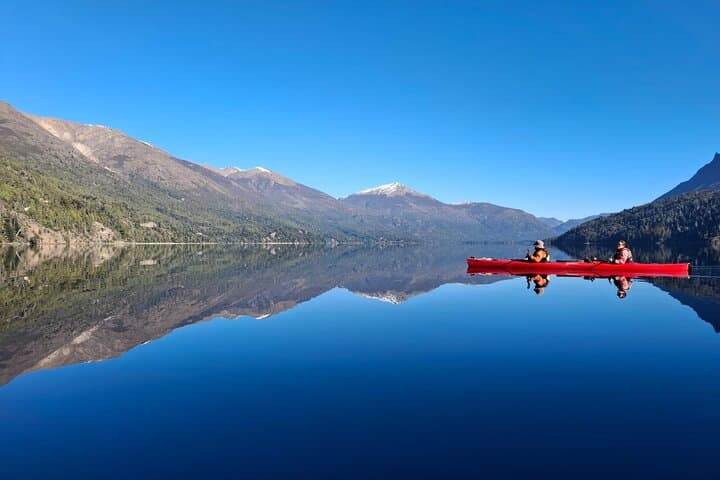
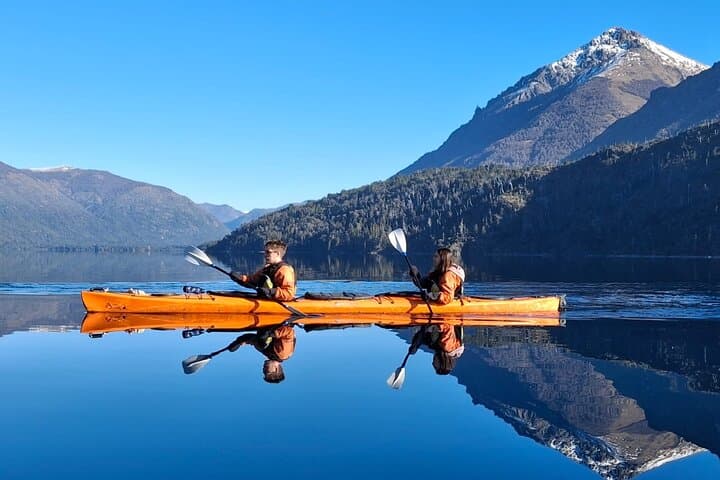
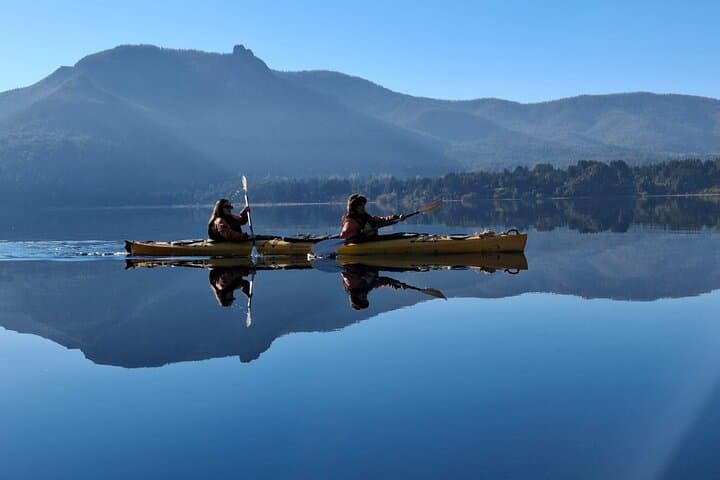
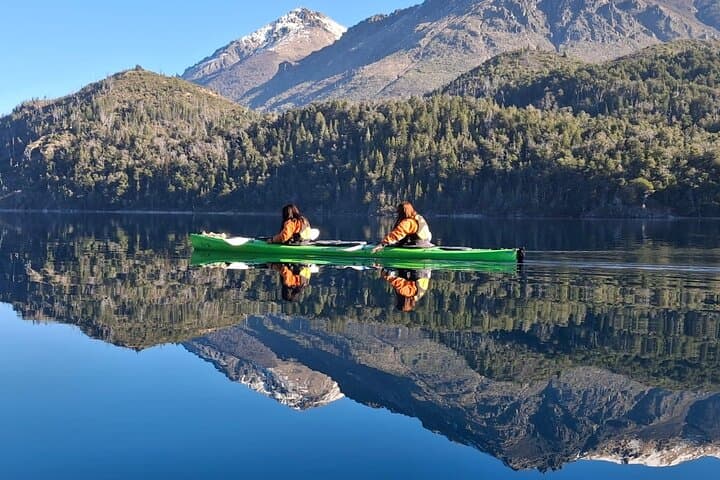
The shoreline of Lake Gutiérrez wakes slow: water freckled by wind, distant pines leaning like listeners toward the lake. You meet your guide on a small pebble beach an easy drive from downtown San Carlos de Bariloche; neoprene booties click on stone, spray jackets flap, and the group slides sit-on-top kayaks into glassy water that seems to test you with a chill. Paddles break the surface with a soft slap and the lake, obligingly, pushes you away from shore.
The shoreline of Lake Gutiérrez wakes slow: water freckled by wind, distant pines leaning like listeners toward the lake. You meet your guide on a small pebble beach an easy drive from downtown San Carlos de Bariloche; neoprene booties click on stone, spray jackets flap, and the group slides sit-on-top kayaks into glassy water that seems to test you with a chill. Paddles break the surface with a soft slap and the lake, obligingly, pushes you away from shore.
This half-day outing covers roughly six kilometers round-trip — a steady three-kilometer paddle to a sheltered beach where guides lay out medialunas and coffee — and is ideal for travelers who want water time without committing to a full-day crossing. Lake Gutiérrez is part of the greater Nahuel Huapi watershed, carved by ice and fed by mountain streams that still carry the mineral cool of the Andes. The shoreline alternates between wind-scoured rock, shallow reed beds, and pockets of pebble sand, each a habitat shaped by the last glaciers and the Mapuche people who knew these waters long before tourism.
Geology here is straightforward and visible: granite outcrops, glacially smoothed shelves and silt-laden coves where the water wears a steely turquoise in bright light. Cultural notes arrive in small doses — simple estancias dotting access roads, locals who fish for trout in the morning, and guides who speak Spanish and English and who will point out the place names and stories behind them.
Practically, the tour is well suited to those with a moderate level of fitness. Each paddle leg is about 50 minutes; wind or chop can extend that. Guides provide life vests, spray skirts, splash jackets, neoprene gloves and booties, and a brief safety and paddling clinic before launch. Hotel pickup from Bariloche is included, as is a snack beach break. Minimum age is 12; bookings require passport details for insurance.
Timing your trip matters: mornings usually bring calmer water and softer light for photos; afternoons can deliver a brisk cross-lake wind. Dress in layers, plan for sun even on cool days, and stash a dry layer for the return. If you’re curious about wildlife, keep an eye for coots and the occasional patagonian waterfowl skimming the surface.
This trip is a compact way to engage the lake without technical commitment: it’s a paddle that rewards attention more than stamina, giving travelers a satisfying measure of Patagonia’s lake country in a single, well-paced morning.