THE ADVENTURE COLLECTIVE® · Independent discovery and booking for outdoor travel

A quick catamaran hop from Samaná puts you on Cayo Levantado’s sugar-white sand in about 20–30 minutes. This half-day escape mixes calm swimming, local snacks, and reef viewing—perfect for travelers who want a breezy Caribbean beach break with minimal planning.
A quick catamaran hop from Samaná puts you on Cayo Levantado’s sugar-white sand in about 20–30 minutes. This half-day escape mixes calm swimming, local snacks, and reef viewing—perfect for travelers who want a breezy Caribbean beach break with minimal planning.
You step off the low-slung catamaran and the ocean tugs at your sandals—warm, shallow, impatient. Cayo Levantado, the crescent of white sand locals still call Bacardi Island, stretches beneath a fringe of palms; beyond, the bay opens in a bowl of Caribbean blue that seems to push you toward the shore.
Verified experiences and guided adventures in the surrounding area.
Operated by Action Tours By J Raven · Samaná, Samaná
You step off the low-slung catamaran and the ocean tugs at your sandals—warm, shallow, impatient. Cayo Levantado, the crescent of white sand locals still call Bacardi Island, stretches beneath a fringe of palms; beyond, the bay opens in a bowl of Caribbean blue that seems to push you toward the shore.
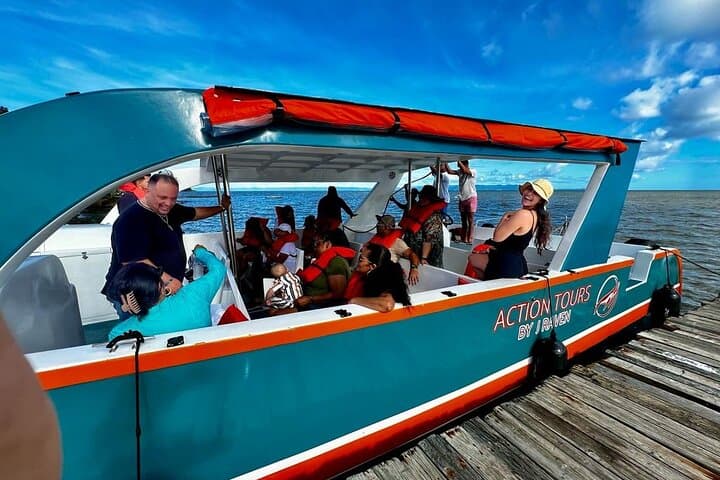
The half-day trip from Samaná begins with hotel pickups in a convoy of black Sprinters or a self-arrival meeting at Hacienda Samaná Bay, then a pleasant 20–30 minute catamaran ride across the shallow arm of the bay. The island’s sand was laid down on reef-supported carbonate; the shallow shelf and coral gardens shape the color shifts that photographers chase. Historically the islet rose to prominence in tourism in the 1970s and earned the Bacardi nickname from an ad campaign; today it remains a compact mix of resort palms, small vendors, and an easygoing beach culture.
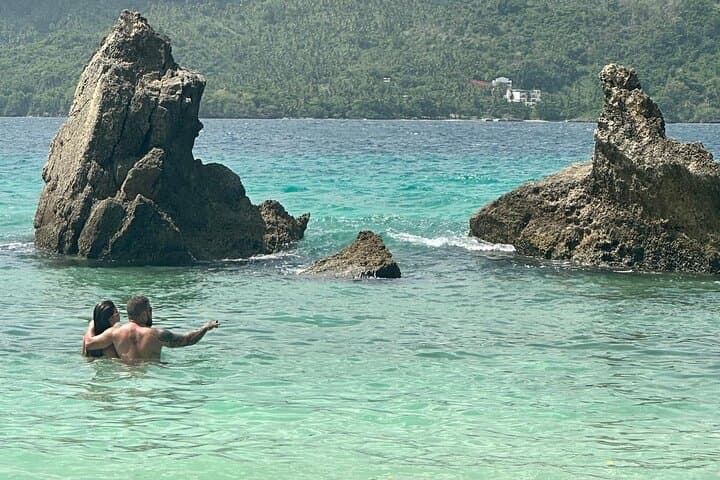
Geology and ecology are on display in micro-scale: mangrove-lined shallows give way to seagrass flats and reef patches that shelter fish and crustaceans. Culture here is informal—local vendors sell handwoven hats and Caribbean sweets, and palapas serve fried fish and cold drinks if you want to linger. The island moves at island time; the sea decides when your shade will be interrupted by a passing breeze or a trim catamaran cutting the horizon.
Practical notes first: the excursion is roughly four hours door-to-door. Transport, round-trip catamaran, and port fees are included; food, drinks, beach chairs, and activities are not. Bring reef-safe sunscreen, cash for vendors and small restaurants, and a waterproof pouch for your phone. The trip is rated easy and is suitable for most fitness levels—no strenuous hiking, just short walks and sand. If you plan to snorkel, check ahead about equipment rental; some operators prohibit bringing your own heavy gear on small boats.
Timing matters: morning departures deliver calmer seas and clearer water for photos; mid-afternoon trips are livelier and better for swimmers who prefer warmer water. Whale season (January–March) fills local boat decks with whale watchers—consider combining days if you want both a beach day and a whale watch.
On the island, respect the reef: avoid stepping on coral, and limit single-use plastics. Stay aware of tide changes and flagged swimming zones. When it’s time to leave, the catamaran returns you to Samaná with the sun on your shoulder and a pocket of sand in your bag—a compact, uncomplicated taste of the Dominican coast that’s as much about ease as it is about color and sea.
easy.
4 hours.
Suitable for most fitness levels; requires only brief walking on sand and boarding a catamaran
The total excursion is approximately 4 hours, including round-trip boat transfer and time on Cayo Levantado.
No; food, drinks, chairs, and paid activities on the island are available to purchase separately.
There are shallow reef areas for casual snorkeling; bring or rent a mask and snorkel if you want to explore—check with the operator about rentals and rules.
Yes, pickup is offered from most hotels in the Samaná area; you should confirm pickup details at least 24 hours before the tour.
Yes, infants are allowed but must sit on an adult’s lap during transfers per the operator’s policy.
Humpback whale season runs roughly January through March; consider a dedicated whale-watching trip if that’s a priority.
Cayo Levantado rose to tourism fame in the late 20th century and picked up the Bacardi nickname from international marketing; it remains a compact resort island with local fishing heritage.
Coral patches and seagrass beds are delicate—avoid touching reef, take rubbish with you, and favor reef-safe sunscreens to minimize impact.
Action Tours By J Raven operates guided outdoor trips and adventures with an emphasis on safety, stewardship, and memorable experiences.
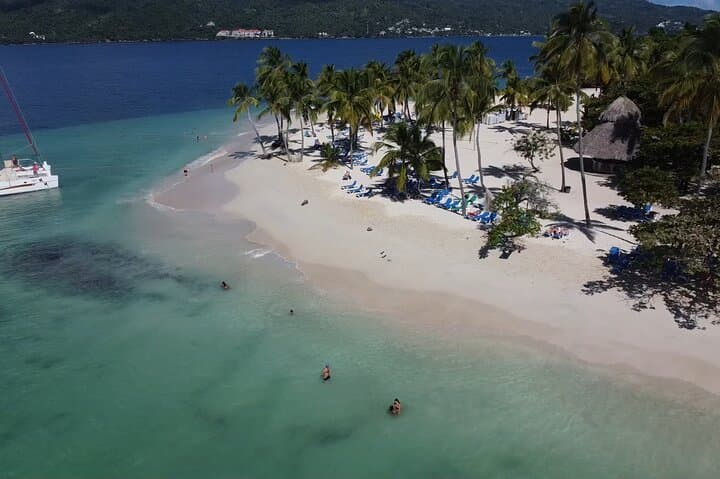
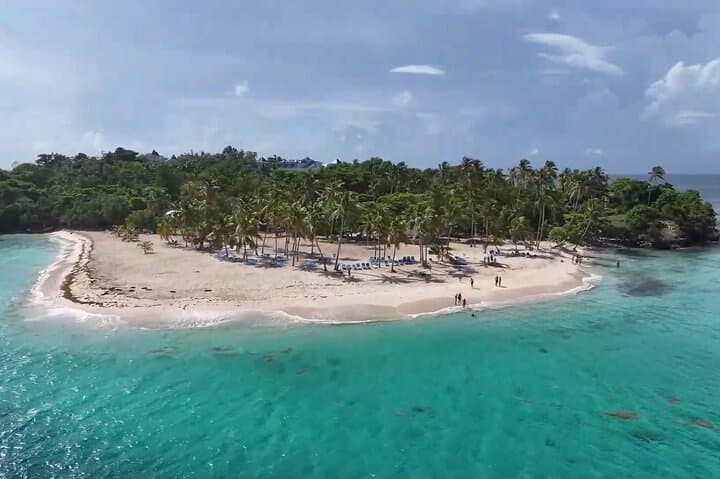
You step off the low-slung catamaran and the ocean tugs at your sandals—warm, shallow, impatient. Cayo Levantado, the crescent of white sand locals still call Bacardi Island, stretches beneath a fringe of palms; beyond, the bay opens in a bowl of Caribbean blue that seems to push you toward the shore.
You step off the low-slung catamaran and the ocean tugs at your sandals—warm, shallow, impatient. Cayo Levantado, the crescent of white sand locals still call Bacardi Island, stretches beneath a fringe of palms; beyond, the bay opens in a bowl of Caribbean blue that seems to push you toward the shore.
The half-day trip from Samaná begins with hotel pickups in a convoy of black Sprinters or a self-arrival meeting at Hacienda Samaná Bay, then a pleasant 20–30 minute catamaran ride across the shallow arm of the bay. The island’s sand was laid down on reef-supported carbonate; the shallow shelf and coral gardens shape the color shifts that photographers chase. Historically the islet rose to prominence in tourism in the 1970s and earned the Bacardi nickname from an ad campaign; today it remains a compact mix of resort palms, small vendors, and an easygoing beach culture.
Geology and ecology are on display in micro-scale: mangrove-lined shallows give way to seagrass flats and reef patches that shelter fish and crustaceans. Culture here is informal—local vendors sell handwoven hats and Caribbean sweets, and palapas serve fried fish and cold drinks if you want to linger. The island moves at island time; the sea decides when your shade will be interrupted by a passing breeze or a trim catamaran cutting the horizon.
Practical notes first: the excursion is roughly four hours door-to-door. Transport, round-trip catamaran, and port fees are included; food, drinks, beach chairs, and activities are not. Bring reef-safe sunscreen, cash for vendors and small restaurants, and a waterproof pouch for your phone. The trip is rated easy and is suitable for most fitness levels—no strenuous hiking, just short walks and sand. If you plan to snorkel, check ahead about equipment rental; some operators prohibit bringing your own heavy gear on small boats.
Timing matters: morning departures deliver calmer seas and clearer water for photos; mid-afternoon trips are livelier and better for swimmers who prefer warmer water. Whale season (January–March) fills local boat decks with whale watchers—consider combining days if you want both a beach day and a whale watch.
On the island, respect the reef: avoid stepping on coral, and limit single-use plastics. Stay aware of tide changes and flagged swimming zones. When it’s time to leave, the catamaran returns you to Samaná with the sun on your shoulder and a pocket of sand in your bag—a compact, uncomplicated taste of the Dominican coast that’s as much about ease as it is about color and sea.