THE ADVENTURE COLLECTIVE® · Independent discovery and booking for outdoor travel

Drive the dramatic Chapman's Peak, stand at Cape Point's lighthouse and walk among African penguins at Boulders Beach on this compact half-day tour from Cape Town. Quick, scenic stops pack geology, history and wildlife into a single morning or afternoon.
Drive the dramatic Chapman's Peak, stand at Cape Point's lighthouse and walk among African penguins at Boulders Beach on this compact half-day tour from Cape Town. Quick, scenic stops pack geology, history and wildlife into a single morning or afternoon.
A wind-bright morning on Chapman’s Peak Drive feels deliberate — the mountain leans into the Atlantic, and the road carves a thin, confident line along a cliff face. Coaches thread through 114 curves on the 9 km stretch, passengers pressing phones to the glass as waves batter ledges far below. On this half-day loop from Cape Town, the landscape alternates between dramatic headlands, capped with low fynbos, and sheltered coves where African penguins patrol shallow water like little sentinels.
Verified experiences and guided adventures in the surrounding area.
Operated by African Eagle Daytours PTY (ltd) · Cape Town, Western Cape
A wind-bright morning on Chapman’s Peak Drive feels deliberate — the mountain leans into the Atlantic, and the road carves a thin, confident line along a cliff face. Coaches thread through 114 curves on the 9 km stretch, passengers pressing phones to the glass as waves batter ledges far below. On this half-day loop from Cape Town, the landscape alternates between dramatic headlands, capped with low fynbos, and sheltered coves where African penguins patrol shallow water like little sentinels.
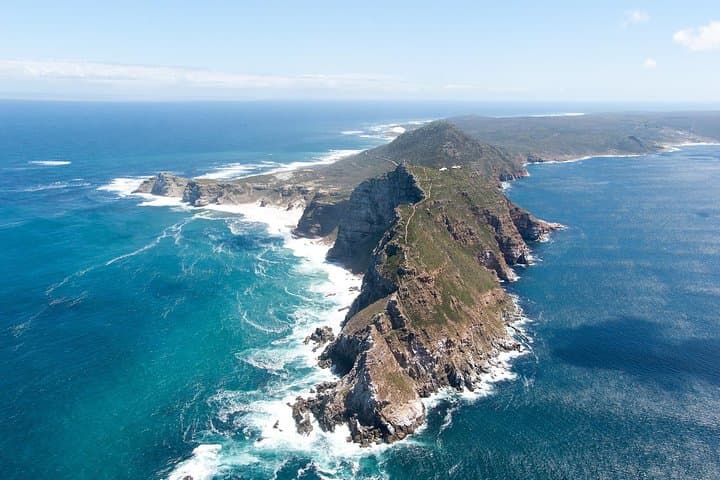
The route stitches together layers of history and geology. The craggy promontories are Cape Supergroup sandstone folded and faulted over millennia; the lighthouse at Cape Point sits about 238 m above sea level — an engineered eye placed where Portuguese mariners once feared the shoals. Monuments to Bartolomeu Dias and Vasco da Gama sit nearby as reminders that this corner of Africa shaped global navigation.
The Cape Peninsula is also cultural coastline: Simon’s Town, once a Royal Navy base, still carries a maritime cadence in its harborside cafés, and local fishing villages keep the day's catch alive on menus. Ecology is immediate — over 250 bird species make the reserve their theatre, and the fynbos biome, unique to the Cape Floral Kingdom, ripples with proteas and restios. Conservation efforts have been crucial here; the African penguin colony at Boulders Beach owes its survival to sustained habitat protection and visitor management.
Practically, the tour compresses a lot into roughly 3.5 hours. Stops include photo pullouts on Chapman's Peak, a 90-minute visit to Cape Point within Table Mountain National Park, and an optional 30-minute walk among the tuxedoed penguins at Boulders Beach. Expect short, sometimes steep walks at Cape Point — the main lighthouse viewpoint is reached by a paved path and a shuttle funicular is available when needed. Terrain varies from paved viewpoints to boardwalks and packed sand.
Timing matters: go early to avoid coach crowds and to catch low light on the cliffs; whale season (June–November) increases the chance of spouts offshore. Bring a windproof layer, sturdy shoes, sun protection and a reusable water bottle. Baboons are bold — secure belongings and never feed wildlife.
For travelers who want a concentrated South African coastal primer — geology, birdlife, maritime history and a chance to stand at the edge of Africa’s southern reaches — this half-day tour delivers. It’s brisk, scenic, and practical: enough time to feel the place and gather a clear picture of why the Cape Peninsula remains one of the world’s most traveled coastal drives.
easy.
3–4 hours.
Able to manage short paved and gravel walks; suitable for most fitness levels
Yes — most central Cape Town hotels are included; provide your accommodation address so the operator can arrange pickup about 30 minutes before departure.
Yes — the tour offers an optional 30-minute stop; a boardwalk allows close but respectful viewing without disturbing the colony.
Restrooms are available at major stops like Cape Point and near Boulders Beach but may be limited at some scenic pullouts.
Whale sightings are most common June–November; the tour passes good vantage points but sightings can't be guaranteed.
Yes — the tour notes stroller access and infant seats; however, some walking paths include steps or uneven surfaces.
Expect a short loop of 1–2 km with around 100–150 m of elevation gain to reach the main lighthouse viewpoint; a funicular is available for those who prefer it.
The peninsula was a key landmark for early Portuguese explorers; monuments commemorate dias and da Gama near Cape Point where navigation records shifted global trade routes.
Table Mountain National Park manages visitor access to protect fynbos and penguin habitat; stick to boardwalks and follow signage to reduce human impact.
African Eagle Daytours PTY (ltd) operates guided outdoor trips and adventures with an emphasis on safety, stewardship, and memorable experiences.
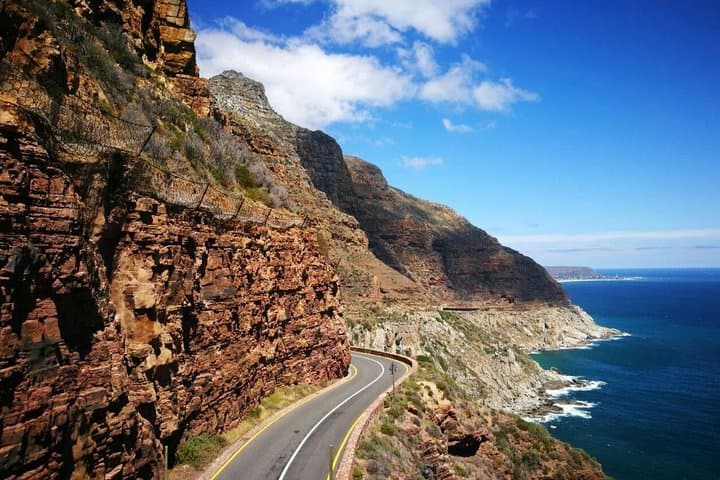
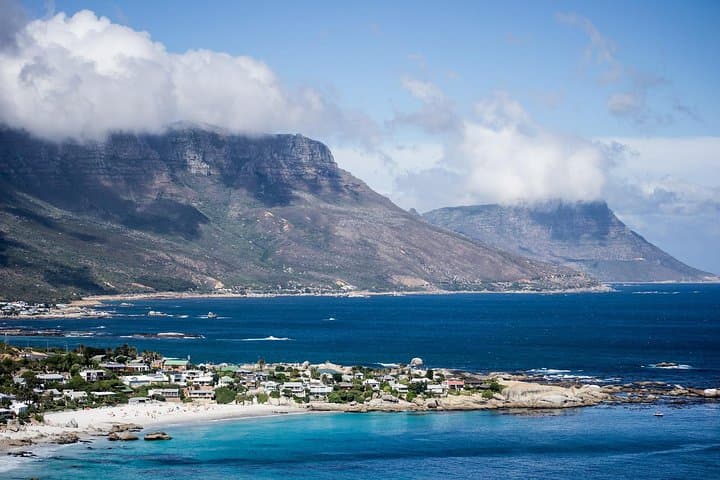
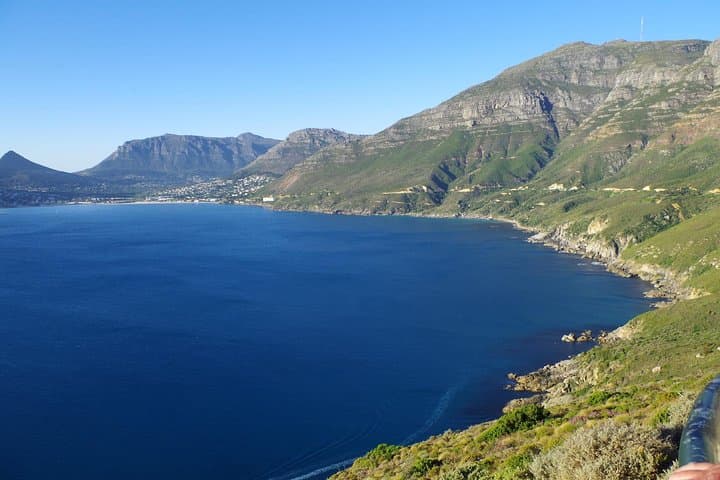
A wind-bright morning on Chapman’s Peak Drive feels deliberate — the mountain leans into the Atlantic, and the road carves a thin, confident line along a cliff face. Coaches thread through 114 curves on the 9 km stretch, passengers pressing phones to the glass as waves batter ledges far below. On this half-day loop from Cape Town, the landscape alternates between dramatic headlands, capped with low fynbos, and sheltered coves where African penguins patrol shallow water like little sentinels.
A wind-bright morning on Chapman’s Peak Drive feels deliberate — the mountain leans into the Atlantic, and the road carves a thin, confident line along a cliff face. Coaches thread through 114 curves on the 9 km stretch, passengers pressing phones to the glass as waves batter ledges far below. On this half-day loop from Cape Town, the landscape alternates between dramatic headlands, capped with low fynbos, and sheltered coves where African penguins patrol shallow water like little sentinels.
The route stitches together layers of history and geology. The craggy promontories are Cape Supergroup sandstone folded and faulted over millennia; the lighthouse at Cape Point sits about 238 m above sea level — an engineered eye placed where Portuguese mariners once feared the shoals. Monuments to Bartolomeu Dias and Vasco da Gama sit nearby as reminders that this corner of Africa shaped global navigation.
The Cape Peninsula is also cultural coastline: Simon’s Town, once a Royal Navy base, still carries a maritime cadence in its harborside cafés, and local fishing villages keep the day's catch alive on menus. Ecology is immediate — over 250 bird species make the reserve their theatre, and the fynbos biome, unique to the Cape Floral Kingdom, ripples with proteas and restios. Conservation efforts have been crucial here; the African penguin colony at Boulders Beach owes its survival to sustained habitat protection and visitor management.
Practically, the tour compresses a lot into roughly 3.5 hours. Stops include photo pullouts on Chapman's Peak, a 90-minute visit to Cape Point within Table Mountain National Park, and an optional 30-minute walk among the tuxedoed penguins at Boulders Beach. Expect short, sometimes steep walks at Cape Point — the main lighthouse viewpoint is reached by a paved path and a shuttle funicular is available when needed. Terrain varies from paved viewpoints to boardwalks and packed sand.
Timing matters: go early to avoid coach crowds and to catch low light on the cliffs; whale season (June–November) increases the chance of spouts offshore. Bring a windproof layer, sturdy shoes, sun protection and a reusable water bottle. Baboons are bold — secure belongings and never feed wildlife.
For travelers who want a concentrated South African coastal primer — geology, birdlife, maritime history and a chance to stand at the edge of Africa’s southern reaches — this half-day tour delivers. It’s brisk, scenic, and practical: enough time to feel the place and gather a clear picture of why the Cape Peninsula remains one of the world’s most traveled coastal drives.