THE ADVENTURE COLLECTIVE® · Independent discovery and booking for outdoor travel

In a few hours you'll go from ferry horns on Quay Street to the wind-swept rims of extinct volcanoes, learning Māori history and volcanic geology along the way. This half-day tour is an efficient, scenic primer on Auckland’s famous cones.
In a few hours you'll go from ferry horns on Quay Street to the wind-swept rims of extinct volcanoes, learning Māori history and volcanic geology along the way. This half-day tour is an efficient, scenic primer on Auckland’s famous cones.
You step off the ship into salt-sweet air and the city stretches up in a ring of green humps—volcanic cones punctuating the skyline like old watchmen. Within minutes a small, personable guide gathers the group and the tour slips onto Quay Street, then out into neighborhoods where lava once flowed and Māori settlements once stood. Over five hours you move from seaside glass and ferry horns to the raw, open rims of extinct volcanoes, each summit offering a new angle on Auckland’s layered story.
Verified experiences and guided adventures in the surrounding area.
Operated by Voltours Limited · Auckland, Auckland
You step off the ship into salt-sweet air and the city stretches up in a ring of green humps—volcanic cones punctuating the skyline like old watchmen. Within minutes a small, personable guide gathers the group and the tour slips onto Quay Street, then out into neighborhoods where lava once flowed and Māori settlements once stood. Over five hours you move from seaside glass and ferry horns to the raw, open rims of extinct volcanoes, each summit offering a new angle on Auckland’s layered story.
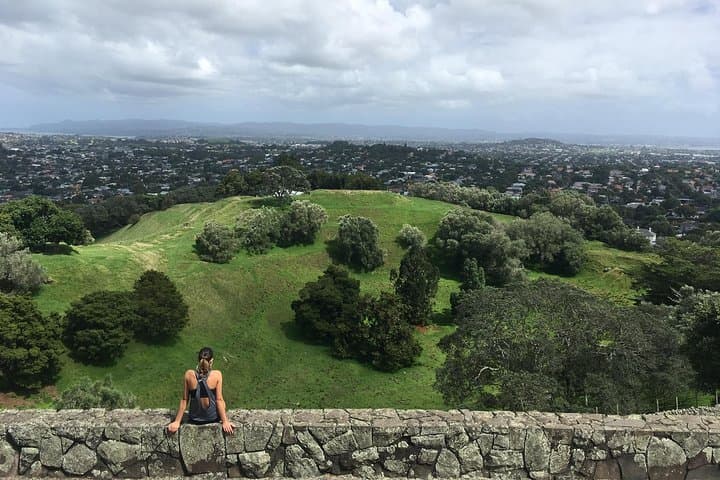
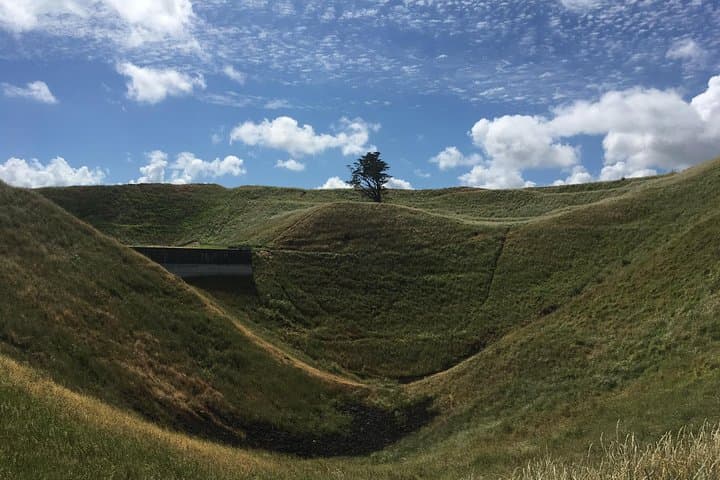
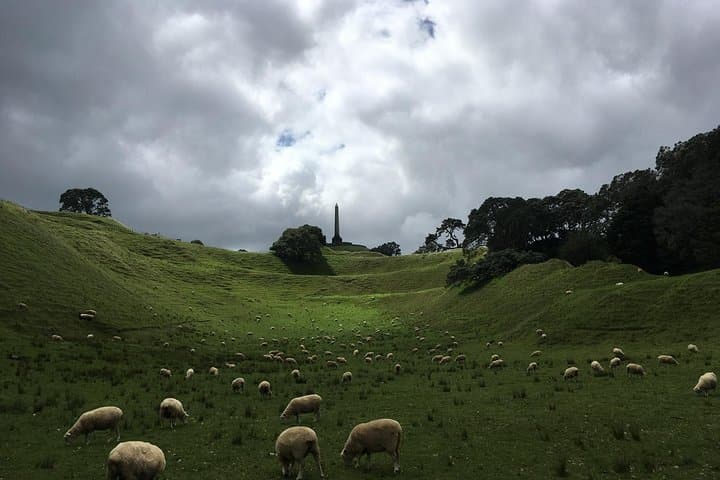
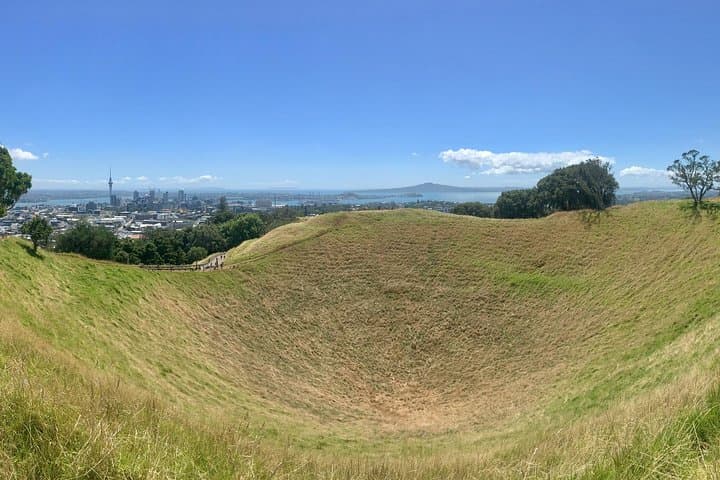
Auckland sits atop the Auckland Volcanic Field, more than 50 small volcanoes scattered across the isthmus. These cones are geologically young—some 10,000 years old—and each crater and scoria slope tells a different chapter: Rangitoto’s basaltic crown seen from the harbor, the terraced pa sites on Mangere Mountain, and the grassy bowl of Mt Eden (Maungawhau), Auckland’s highest natural point at roughly 196 meters. For Māori, many of these cones were living places—gardens, fortifications and burial grounds—so the tour blends geology with cultural history, explaining how Māori adapted these steep sites and how colonial contact reshaped them.
Walking the rims feels immediate. The ground underfoot is volcanic scoria and compacted ash; the slopes are steep in places but short—45-minute stops give time to circle craters, step into shallow bowls, and take in city-to-sea panoramas. Native birds like tūī and kererū pepper the air with calls; across the Manukau and Hauraki Gulf you’ll spot Rangitoto Island, a black silhouette that belies its youth.
Practicality guides the route: short transfers between cones by private vehicle, sensible walking distances, and the option to finish near the museum, zoo or Mission Bay if you want to linger. The guide will point out conservation work—fenced native plantings, restored bird habitat—and request respectful behaviour at culturally sensitive sites.
For travelers: wear comfortable walking shoes with good grip for loose scoria, bring a windproof layer and sun protection, and carry a refillable water bottle. The tour operates in most weather, so a light rain jacket can be a trip-saver. Fitness needs are moderate: expect short, steep climbs and multiple sets of steps; stair-free alternatives are limited at summit craters. The small-group format (under 11) keeps the pace flexible, and port pickup/drop-off is included if you’re arriving by cruise.
This half-day is an efficient primer on Auckland’s surprising geology and living history—compact, informative and scenic. In five hours you’ll leave the downtown grid behind and understand how fire and settlement shaped the city’s form and identity.
moderate.
5 hours.
Moderate fitness: able to manage short steep climbs, stairs and 30–45 minute crater walks.
The tour lasts about 5 hours with short vehicle transfers between sites; expect 30–45 minute walks at several crater summits and brief stops for viewpoints.
No—the visited volcanoes (Mt Wellington, Mangere Mountain, One Tree Hill, Mt Eden) are inactive but geologically young and safe for walking.
Yes; the tour offers port pickup and drop-off and departs from central Quay Street—allow the recommended arrival time at the meeting point for embarkation procedures.
Many crater rims have steep paths and steps; full summit access is limited for wheelchairs and strollers—contact the operator about accessible options.
Wear comfortable walking shoes with grip, layered clothing for wind and sun protection, and a light rain jacket if conditions look changeable.
Yes—many cones are important Māori sites. Follow your guide’s directions, avoid walking on marked areas, and observe any protocols at wāhi tapu.
Many volcanic cones were used as pā—fortified Māori settlements with terracing and gardens; their earthworks are still visible on several summits.
Several cones are managed reserves with restoration planting and predator control; stay on paths to protect fragile native vegetation and archaeological features.
Voltours Limited operates guided outdoor trips and adventures with an emphasis on safety, stewardship, and memorable experiences.
You step off the ship into salt-sweet air and the city stretches up in a ring of green humps—volcanic cones punctuating the skyline like old watchmen. Within minutes a small, personable guide gathers the group and the tour slips onto Quay Street, then out into neighborhoods where lava once flowed and Māori settlements once stood. Over five hours you move from seaside glass and ferry horns to the raw, open rims of extinct volcanoes, each summit offering a new angle on Auckland’s layered story.
You step off the ship into salt-sweet air and the city stretches up in a ring of green humps—volcanic cones punctuating the skyline like old watchmen. Within minutes a small, personable guide gathers the group and the tour slips onto Quay Street, then out into neighborhoods where lava once flowed and Māori settlements once stood. Over five hours you move from seaside glass and ferry horns to the raw, open rims of extinct volcanoes, each summit offering a new angle on Auckland’s layered story.
Auckland sits atop the Auckland Volcanic Field, more than 50 small volcanoes scattered across the isthmus. These cones are geologically young—some 10,000 years old—and each crater and scoria slope tells a different chapter: Rangitoto’s basaltic crown seen from the harbor, the terraced pa sites on Mangere Mountain, and the grassy bowl of Mt Eden (Maungawhau), Auckland’s highest natural point at roughly 196 meters. For Māori, many of these cones were living places—gardens, fortifications and burial grounds—so the tour blends geology with cultural history, explaining how Māori adapted these steep sites and how colonial contact reshaped them.
Walking the rims feels immediate. The ground underfoot is volcanic scoria and compacted ash; the slopes are steep in places but short—45-minute stops give time to circle craters, step into shallow bowls, and take in city-to-sea panoramas. Native birds like tūī and kererū pepper the air with calls; across the Manukau and Hauraki Gulf you’ll spot Rangitoto Island, a black silhouette that belies its youth.
Practicality guides the route: short transfers between cones by private vehicle, sensible walking distances, and the option to finish near the museum, zoo or Mission Bay if you want to linger. The guide will point out conservation work—fenced native plantings, restored bird habitat—and request respectful behaviour at culturally sensitive sites.
For travelers: wear comfortable walking shoes with good grip for loose scoria, bring a windproof layer and sun protection, and carry a refillable water bottle. The tour operates in most weather, so a light rain jacket can be a trip-saver. Fitness needs are moderate: expect short, steep climbs and multiple sets of steps; stair-free alternatives are limited at summit craters. The small-group format (under 11) keeps the pace flexible, and port pickup/drop-off is included if you’re arriving by cruise.
This half-day is an efficient primer on Auckland’s surprising geology and living history—compact, informative and scenic. In five hours you’ll leave the downtown grid behind and understand how fire and settlement shaped the city’s form and identity.