THE ADVENTURE COLLECTIVE® · Independent discovery and booking for outdoor travel

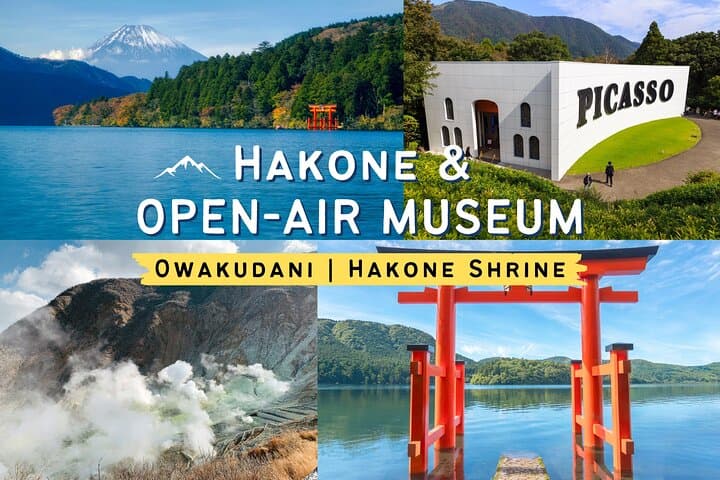
A single day trip from Tokyo that compresses Hakone’s biggest hits: modern sculpture at the Open-Air Museum, sulfur-steamed Owakudani with Mt. Fuji views, and the tranquil Torii at Lake Ashi. Expect easy walking, strong photo opportunities, and a practical itinerary that covers geology, art, and shrine culture.
A single day trip from Tokyo that compresses Hakone’s biggest hits: modern sculpture at the Open-Air Museum, sulfur-steamed Owakudani with Mt. Fuji views, and the tranquil Torii at Lake Ashi. Expect easy walking, strong photo opportunities, and a practical itinerary that covers geology, art, and shrine culture.
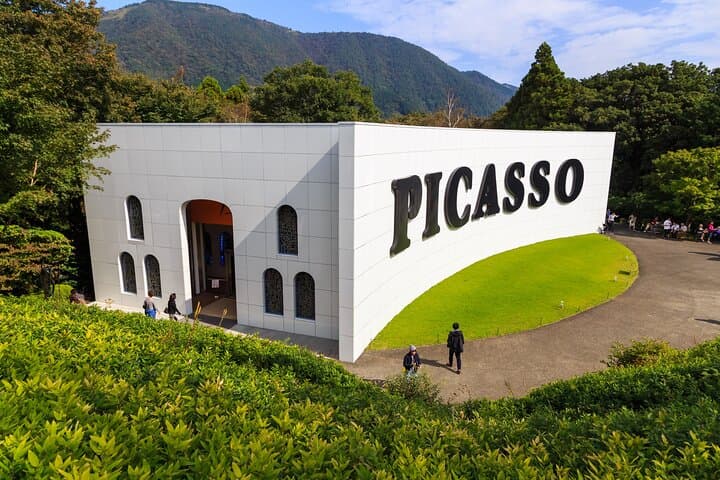
The bus eases out of Tokyo's pulse and, within an hour, the cityglass softens into ridged green. By midmorning you’re walking through the Hakone Open-Air Museum, where bronze and stone punctuate lawns and the mountains beyond press like a living backdrop. Statues hold the light; children run between them. It’s an efficient opening act — art set both for close inspection and for quick, composed photos that feel cinematic.
Verified experiences and guided adventures in the surrounding area.
Operated by TOURSTORY · Hakone, Kanagawa
The bus eases out of Tokyo's pulse and, within an hour, the cityglass softens into ridged green. By midmorning you’re walking through the Hakone Open-Air Museum, where bronze and stone punctuate lawns and the mountains beyond press like a living backdrop. Statues hold the light; children run between them. It’s an efficient opening act — art set both for close inspection and for quick, composed photos that feel cinematic.
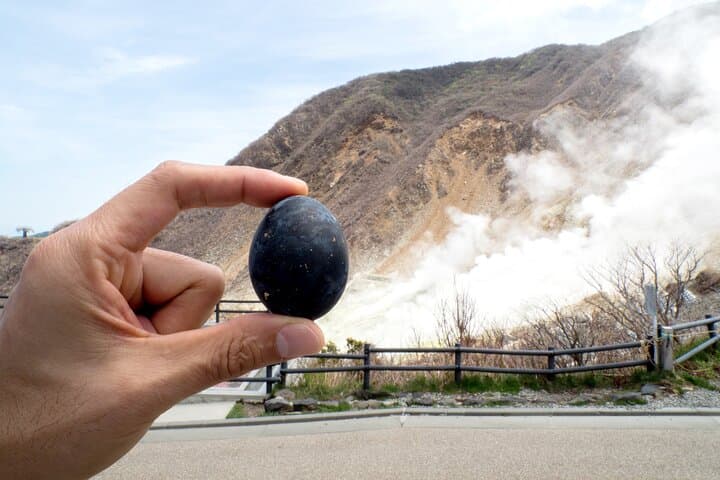
From there the landscape changes again: the ropeway climbs and the world exhales steam. Owakudani declares itself by smell before sight — sulfur fog curling from vents, a lunar ground of blackened rock. On clear days Mount Fuji rises beyond the valley, crisp and commanding. Local vendors sell kuro-tamago, eggs boiled in hot spring waters that turn shells inky black; the folklore claim of added longevity makes them irresistible, if only for the story.
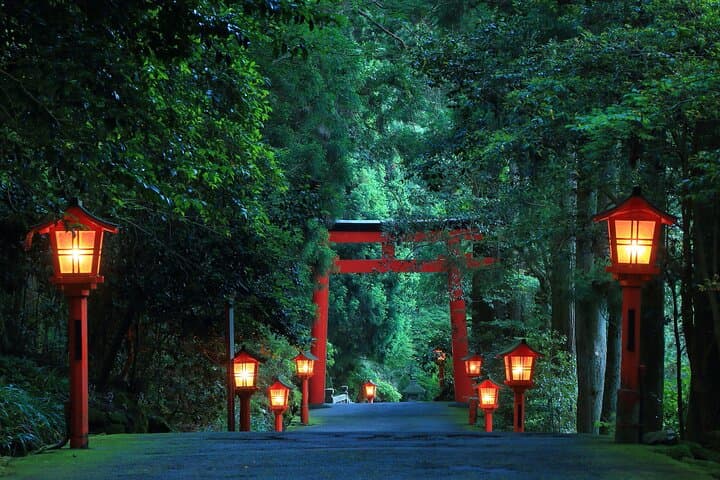
The afternoon turns gentler on Lake Ashi. The water sits in the hollow of an ancient caldera created by Hakone’s eruptions roughly 3,000 years ago. A torii gate stands in the shallows near Hakone Shrine—its vermilion frame a clean line against lake and sky. You walk the shrine’s cedar avenue and feel the place’s long human thread; the site has been a locus of pilgrimage and local devotion for more than a millennium.
This is a day built for contrast: contemporary sculpture and quiet Shinto rites, geothermal noise and placid lake reflections. Guides thread the details—how the ropeway service can change with winds, why Owakudani’s access can be limited when volcanic activity intensifies, and where to angle a camera for Fuji framed between statues and pines.
Practicalities are straightforward. Expect a full 10–11 hour day with most transit by coach; the tour includes admissions and English/Korean-speaking staff. Footwork is light: paved museum paths, short boardwalks at Owakudani, and flat shrine trails. Bring layered clothing — higher elevations are cooler and often windier — and a small daypack for water and snacks; lunch is at your own expense near the lake.
Timing matters: clear mornings and mid-mornings yield the best Fuji visibility; fog and rain can obscure views without notice. If you want the ropeway or the pirate-ship cruise, let your guide know early — those are optional and weather-dependent. For photographers, aim for the lake at late afternoon when the torii takes soft light. For anyone curious about geology or Japanese culture, the day connects both in one efficient loop: steam, stone, shrine, and sea within reach of Tokyo.
easy.
10–11 hours.
Suitable for travelers who can handle light walking and short stair sections across paved and unpaved surfaces.
The scheduled duration is approximately 10–11 hours, including coach travel from Tokyo and time at each attraction.
Admissions noted in the itinerary—like the Hakone Open-Air Museum—are included; optional activities such as the ropeway or pirate ship may require additional fees on-site.
Yes on clear days Mt. Fuji is visible from Owakudani and parts of Lake Ashi, but visibility depends on weather and air clarity.
Yes—infants and small children can ride in strollers, but some paths have steps; infants must sit on laps per provider policy.
If Owakudani is restricted due to volcanic advisories, the guide will adjust the itinerary and may extend time at other sites or provide alternate viewpoints.
Typical meeting points are Shinjuku L Tower Starbucks (near Shinjuku West Gate) and Tokyo Station Marunouchi North Exit; the tour returns to these locations.
Hakone has been a strategic pass and pilgrimage corridor for over a thousand years; the lake sits in a caldera formed by Hakone’s volcanic activity roughly 3,000 years ago.
Owakudani is geologically active and monitored closely; follow all signposted routes and respect closures to protect fragile geothermal terrain and visitor safety.
TOURSTORY operates guided outdoor trips and adventures with an emphasis on safety, stewardship, and memorable experiences.
The bus eases out of Tokyo's pulse and, within an hour, the cityglass softens into ridged green. By midmorning you’re walking through the Hakone Open-Air Museum, where bronze and stone punctuate lawns and the mountains beyond press like a living backdrop. Statues hold the light; children run between them. It’s an efficient opening act — art set both for close inspection and for quick, composed photos that feel cinematic.
The bus eases out of Tokyo's pulse and, within an hour, the cityglass softens into ridged green. By midmorning you’re walking through the Hakone Open-Air Museum, where bronze and stone punctuate lawns and the mountains beyond press like a living backdrop. Statues hold the light; children run between them. It’s an efficient opening act — art set both for close inspection and for quick, composed photos that feel cinematic.
From there the landscape changes again: the ropeway climbs and the world exhales steam. Owakudani declares itself by smell before sight — sulfur fog curling from vents, a lunar ground of blackened rock. On clear days Mount Fuji rises beyond the valley, crisp and commanding. Local vendors sell kuro-tamago, eggs boiled in hot spring waters that turn shells inky black; the folklore claim of added longevity makes them irresistible, if only for the story.
The afternoon turns gentler on Lake Ashi. The water sits in the hollow of an ancient caldera created by Hakone’s eruptions roughly 3,000 years ago. A torii gate stands in the shallows near Hakone Shrine—its vermilion frame a clean line against lake and sky. You walk the shrine’s cedar avenue and feel the place’s long human thread; the site has been a locus of pilgrimage and local devotion for more than a millennium.
This is a day built for contrast: contemporary sculpture and quiet Shinto rites, geothermal noise and placid lake reflections. Guides thread the details—how the ropeway service can change with winds, why Owakudani’s access can be limited when volcanic activity intensifies, and where to angle a camera for Fuji framed between statues and pines.
Practicalities are straightforward. Expect a full 10–11 hour day with most transit by coach; the tour includes admissions and English/Korean-speaking staff. Footwork is light: paved museum paths, short boardwalks at Owakudani, and flat shrine trails. Bring layered clothing — higher elevations are cooler and often windier — and a small daypack for water and snacks; lunch is at your own expense near the lake.
Timing matters: clear mornings and mid-mornings yield the best Fuji visibility; fog and rain can obscure views without notice. If you want the ropeway or the pirate-ship cruise, let your guide know early — those are optional and weather-dependent. For photographers, aim for the lake at late afternoon when the torii takes soft light. For anyone curious about geology or Japanese culture, the day connects both in one efficient loop: steam, stone, shrine, and sea within reach of Tokyo.