THE ADVENTURE COLLECTIVE® · Independent discovery and booking for outdoor travel

A focused four-hour climbing lesson on Leonidio's famed red limestone cliffs introduces sport climbing technique, anchors and route choice for a range of abilities. Small groups, private instruction options and seaside sectors make it an efficient and scenic way to climb in the Peloponnese.
A focused four-hour climbing lesson on Leonidio's famed red limestone cliffs introduces sport climbing technique, anchors and route choice for a range of abilities. Small groups, private instruction options and seaside sectors make it an efficient and scenic way to climb in the Peloponnese.
Late-morning sun bounces off rust-red limestone as you approach Leonidio's cliffs, the sea a cool line on the horizon.
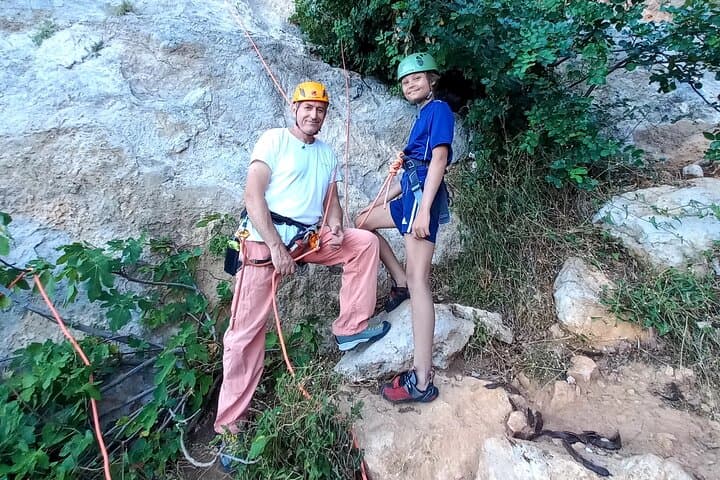
Climbers tie in, chalk their hands, and listen as the instructor outlines the line; the rock seems to dare you to climb higher.
This four-hour guided lesson introduces sport climbing on high-quality limestone that has made Leonidio one of Europe's fastest-growing crags.
Geologically, the cliffs are folded carbonate beds—limestone and dolomite—eroded into overhangs, pockets and tufas that challenge technique.
The town of Leonidio preserves traditional Peloponnese life: stone houses, narrow streets and cafés where climbers compare beta over coffee.
Local climbing history is recent but intense; routes have multiplied since the 1990s and now exceed a thousand lines across multiple sectors, from single-pitch faces to steep multi-pitch walls.
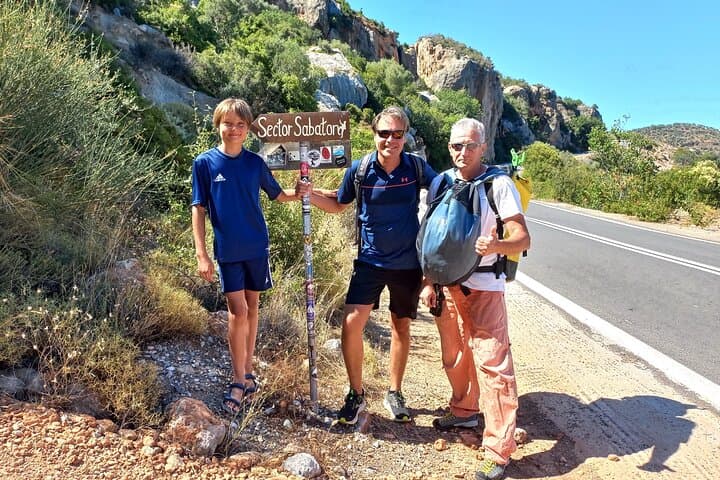
Expect sun-exposed south-facing sectors and cooler north-facing walls a short drive or walk from the beach.
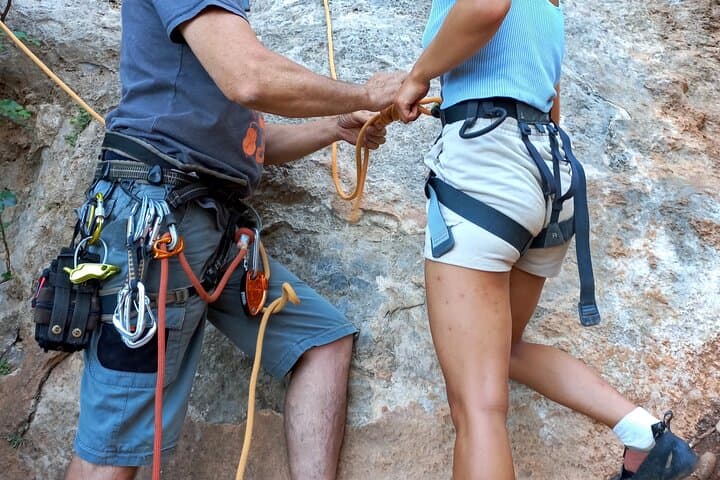
Practically, the lesson covers anchors, belay commands, clipping and route choice tailored to ability, with all standard equipment provided.
Wear sticky shoes, bring 1–2 liters of water, sun protection and a light wind layer for sea breezes.
Groups are small; minimum two climbers is typical and private instruction is common.
Fitness needs are moderate — you should be comfortable on steep terrain and able to handle short bursts of exertion.
Season matters: spring and fall offer the best temperatures; summer is hot on sunlit walls and winter is wetter.
Leonidio rewards focused technique and offers access to seaside tavernas and coastal walks after a day on the rock.
Verified experiences and guided adventures in the surrounding area.
Operated by travel 2 peloponnese · Leonidio, Arcadia
Late-morning sun bounces off rust-red limestone as you approach Leonidio's cliffs, the sea a cool line on the horizon.
Climbers tie in, chalk their hands, and listen as the instructor outlines the line; the rock seems to dare you to climb higher.
This four-hour guided lesson introduces sport climbing on high-quality limestone that has made Leonidio one of Europe's fastest-growing crags.
Geologically, the cliffs are folded carbonate beds—limestone and dolomite—eroded into overhangs, pockets and tufas that challenge technique.
The town of Leonidio preserves traditional Peloponnese life: stone houses, narrow streets and cafés where climbers compare beta over coffee.
Local climbing history is recent but intense; routes have multiplied since the 1990s and now exceed a thousand lines across multiple sectors, from single-pitch faces to steep multi-pitch walls.
Expect sun-exposed south-facing sectors and cooler north-facing walls a short drive or walk from the beach.
Practically, the lesson covers anchors, belay commands, clipping and route choice tailored to ability, with all standard equipment provided.
Wear sticky shoes, bring 1–2 liters of water, sun protection and a light wind layer for sea breezes.
Groups are small; minimum two climbers is typical and private instruction is common.
Fitness needs are moderate — you should be comfortable on steep terrain and able to handle short bursts of exertion.
Season matters: spring and fall offer the best temperatures; summer is hot on sunlit walls and winter is wetter.
Leonidio rewards focused technique and offers access to seaside tavernas and coastal walks after a day on the rock.
moderate.
4 hours.
Moderate — be comfortable on steep ground and able to execute short, intense moves
No — lessons are tailored to ability; beginners learn basic knots, belaying and movement while experienced climbers can work on specific techniques.
Yes — standard climbing equipment (rope, harness, helmet, quickdraws) is typically provided by the operator, though personal shoes are recommended.
Most sectors are a short drive or 10–30 minute walk from Leonidio; guides typically provide transport guidance or short transfers to specific sectors.
Minimum is usually two travelers; cancel at least 24 hours before the scheduled time for a full refund, and outings may be canceled for bad weather.
Leonidio is a traditional Peloponnese town whose climbing boom began in the 1990s; local communities now balance outdoor recreation with historic village life.
Climbers should minimize chalk use, avoid bolting without permission and respect seasonal restrictions for nesting birds to protect cliff ecosystems.
travel 2 peloponnese operates guided outdoor trips and adventures with an emphasis on safety, stewardship, and memorable experiences.
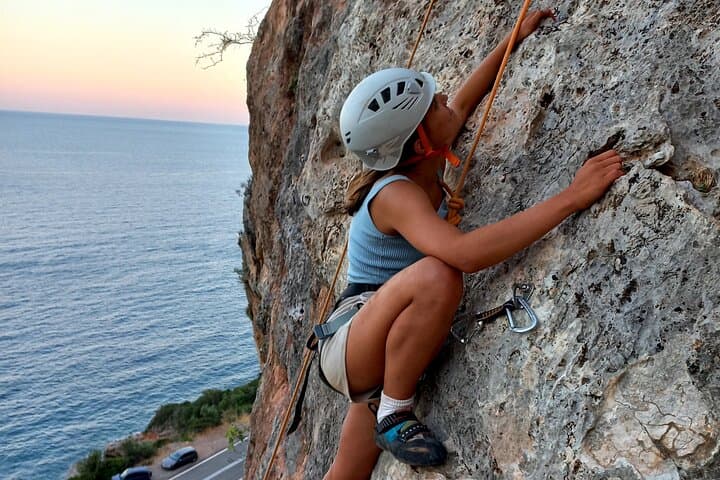
Late-morning sun bounces off rust-red limestone as you approach Leonidio's cliffs, the sea a cool line on the horizon.
Climbers tie in, chalk their hands, and listen as the instructor outlines the line; the rock seems to dare you to climb higher.
This four-hour guided lesson introduces sport climbing on high-quality limestone that has made Leonidio one of Europe's fastest-growing crags.
Geologically, the cliffs are folded carbonate beds—limestone and dolomite—eroded into overhangs, pockets and tufas that challenge technique.
The town of Leonidio preserves traditional Peloponnese life: stone houses, narrow streets and cafés where climbers compare beta over coffee.
Local climbing history is recent but intense; routes have multiplied since the 1990s and now exceed a thousand lines across multiple sectors, from single-pitch faces to steep multi-pitch walls.
Expect sun-exposed south-facing sectors and cooler north-facing walls a short drive or walk from the beach.
Practically, the lesson covers anchors, belay commands, clipping and route choice tailored to ability, with all standard equipment provided.
Wear sticky shoes, bring 1–2 liters of water, sun protection and a light wind layer for sea breezes.
Groups are small; minimum two climbers is typical and private instruction is common.
Fitness needs are moderate — you should be comfortable on steep terrain and able to handle short bursts of exertion.
Season matters: spring and fall offer the best temperatures; summer is hot on sunlit walls and winter is wetter.
Leonidio rewards focused technique and offers access to seaside tavernas and coastal walks after a day on the rock.
Late-morning sun bounces off rust-red limestone as you approach Leonidio's cliffs, the sea a cool line on the horizon.
Climbers tie in, chalk their hands, and listen as the instructor outlines the line; the rock seems to dare you to climb higher.
This four-hour guided lesson introduces sport climbing on high-quality limestone that has made Leonidio one of Europe's fastest-growing crags.
Geologically, the cliffs are folded carbonate beds—limestone and dolomite—eroded into overhangs, pockets and tufas that challenge technique.
The town of Leonidio preserves traditional Peloponnese life: stone houses, narrow streets and cafés where climbers compare beta over coffee.
Local climbing history is recent but intense; routes have multiplied since the 1990s and now exceed a thousand lines across multiple sectors, from single-pitch faces to steep multi-pitch walls.
Expect sun-exposed south-facing sectors and cooler north-facing walls a short drive or walk from the beach.
Practically, the lesson covers anchors, belay commands, clipping and route choice tailored to ability, with all standard equipment provided.
Wear sticky shoes, bring 1–2 liters of water, sun protection and a light wind layer for sea breezes.
Groups are small; minimum two climbers is typical and private instruction is common.
Fitness needs are moderate — you should be comfortable on steep terrain and able to handle short bursts of exertion.
Season matters: spring and fall offer the best temperatures; summer is hot on sunlit walls and winter is wetter.
Leonidio rewards focused technique and offers access to seaside tavernas and coastal walks after a day on the rock.