THE ADVENTURE COLLECTIVE® · Independent discovery and booking for outdoor travel

In five to six hours this express circuit threads Grenada’s signature sights: a hilltop fort, a hands-on chocolate house, a waterfall plunge, and steaming sulphur springs—an efficient primer on the Spice Isle’s geology, history, and flavors.
In five to six hours this express circuit threads Grenada’s signature sights: a hilltop fort, a hands-on chocolate house, a waterfall plunge, and steaming sulphur springs—an efficient primer on the Spice Isle’s geology, history, and flavors.
You step off the air-conditioned van and the island breathes forward—humid, fragrant air threaded with nutmeg and cocoa, the Atlantic humming in the distance. For the next five to six hours this express tour stitches together Grenada’s defining moments: a colonial fort that overlooks a harbor, a chocolate maker turning local beans into bars, a ribbon of waterfall through rainforest, and hot sulphur springs that steam like a secret. The pace is brisk but generous enough to feel grounded rather than rushed.
Verified experiences and guided adventures in the surrounding area.
Operated by Nirraky Tours · St. George's, Saint George
You step off the air-conditioned van and the island breathes forward—humid, fragrant air threaded with nutmeg and cocoa, the Atlantic humming in the distance. For the next five to six hours this express tour stitches together Grenada’s defining moments: a colonial fort that overlooks a harbor, a chocolate maker turning local beans into bars, a ribbon of waterfall through rainforest, and hot sulphur springs that steam like a secret. The pace is brisk but generous enough to feel grounded rather than rushed.
Grenada’s story is written in spice and stone. Fort Frederick, built in the late 18th century, still watches St. George's harbor, a reminder of imperial competition for the island’s aromatic exports. The volcanic soils that make Grenada such good growing ground also carved the steep gullies and crater lakes—Lake Antoine and Grand Etang—that the tour passes, and fed the underground heat that bubbles up at the River Sallee sulphur springs. Cocoa and nutmeg aren’t just crops here; they helped shape land tenure, labor patterns, and the island’s place on colonial trade routes.
Cultural notes arrive naturally on the route: at Jouvay House of Chocolate you see cocoa beans roasted and winnowed, and artisans explaining single-origin processing; a visit to a nutmeg processing plant shows the fruit-to-spice steps that earn Grenada its nickname, the Spice Isle. At Carib’s Leap, the cliff edge reads as both beautiful overlook and a solemn historical site tied to indigenous resistance and survival.
Practical guide: plan for a five- to six-hour day with multiple short stops—expect 10–30 minute windows at most attractions, and a slightly longer 30-minute visit at the chocolate house and the sulphur springs. Pickup and drop-off from most hotels and the port are included; bottled water and A/C transport are supplied. Wear sturdy sandals or light hiking shoes for the waterfall and lake rim paths; a light rain jacket is wise during wet season.
Timing matters: mornings are cooler and help avoid midday crowds at lookout points; afternoon light brightens the lake rim and the chocolate exhibits. Bring small local currency for snacks or souvenirs—some artisanal stalls accept only cash. If you have mobility concerns, note that some stops involve uneven paths and short stair sections; ask for assistance at booking if needed.
This express tour is ideal for first-time visitors who want a curated sample of Grenada’s natural and cultural highlights in a single easy day. It moves with island rhythm—sometimes languid, sometimes urgent—and by sunset you’ll have a clear sense of why the island’s soil and history still pull curious travelers back.
easy.
5–6 hours.
Suitable for most fitness levels; requires short walks and brief stair or uneven-ground sections
The tour runs approximately 5–6 hours (300–360 minutes) with multiple short stops and two longer visits.
Yes; pickup and drop-off from most hotels and the port are included—confirm your pickup point when booking.
Some sites include admission in the tour price while others do not—expect that a few stops may have separate fees or optional paid activities.
Yes; the tour is suitable for all ages, but infants must sit on an adult’s lap and some stops have uneven ground.
Light, breathable clothing, sturdy sandals or shoes for walking, sun protection, and a rain layer in the wet season are recommended.
Yes; the operator may cancel for bad weather or insufficient travelers—check the 24-hour cancellation policy for refunds.
Grenada’s economy and landscape were shaped by spice and cocoa trade; sites like Fort Frederick and nutmeg factories reflect colonial-era commerce and its legacy.
Levera National Park and local farming initiatives protect coastal wetlands and encourage sustainable spice and cocoa production; visitors should follow trail guidelines and avoid disturbing wildlife.
Nirraky Tours operates guided outdoor trips and adventures with an emphasis on safety, stewardship, and memorable experiences.
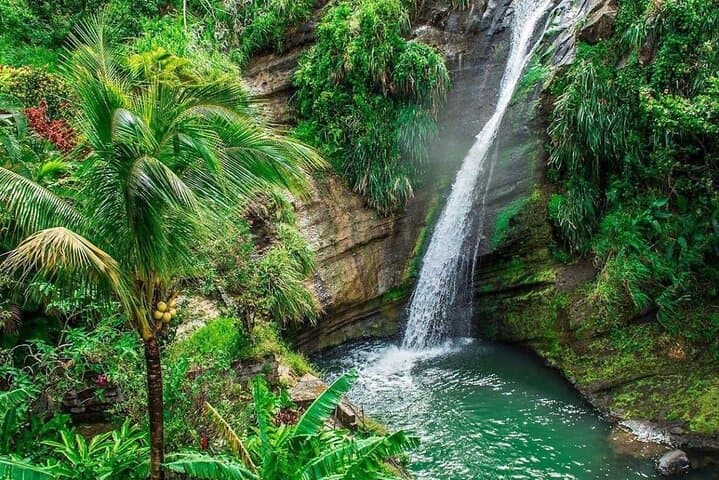
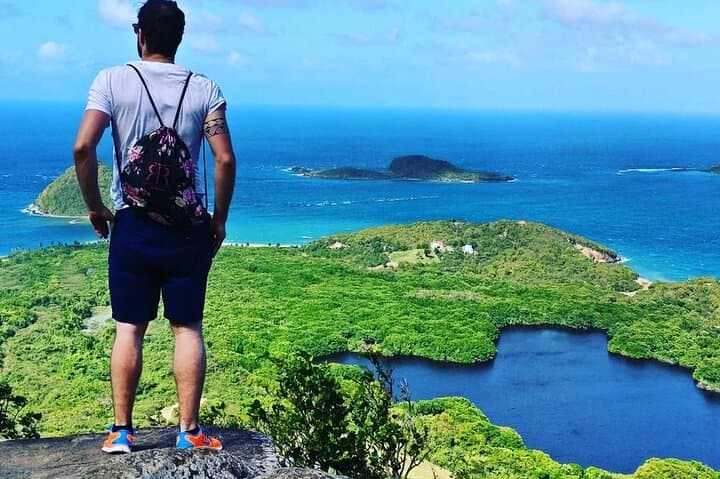
You step off the air-conditioned van and the island breathes forward—humid, fragrant air threaded with nutmeg and cocoa, the Atlantic humming in the distance. For the next five to six hours this express tour stitches together Grenada’s defining moments: a colonial fort that overlooks a harbor, a chocolate maker turning local beans into bars, a ribbon of waterfall through rainforest, and hot sulphur springs that steam like a secret. The pace is brisk but generous enough to feel grounded rather than rushed.
You step off the air-conditioned van and the island breathes forward—humid, fragrant air threaded with nutmeg and cocoa, the Atlantic humming in the distance. For the next five to six hours this express tour stitches together Grenada’s defining moments: a colonial fort that overlooks a harbor, a chocolate maker turning local beans into bars, a ribbon of waterfall through rainforest, and hot sulphur springs that steam like a secret. The pace is brisk but generous enough to feel grounded rather than rushed.
Grenada’s story is written in spice and stone. Fort Frederick, built in the late 18th century, still watches St. George's harbor, a reminder of imperial competition for the island’s aromatic exports. The volcanic soils that make Grenada such good growing ground also carved the steep gullies and crater lakes—Lake Antoine and Grand Etang—that the tour passes, and fed the underground heat that bubbles up at the River Sallee sulphur springs. Cocoa and nutmeg aren’t just crops here; they helped shape land tenure, labor patterns, and the island’s place on colonial trade routes.
Cultural notes arrive naturally on the route: at Jouvay House of Chocolate you see cocoa beans roasted and winnowed, and artisans explaining single-origin processing; a visit to a nutmeg processing plant shows the fruit-to-spice steps that earn Grenada its nickname, the Spice Isle. At Carib’s Leap, the cliff edge reads as both beautiful overlook and a solemn historical site tied to indigenous resistance and survival.
Practical guide: plan for a five- to six-hour day with multiple short stops—expect 10–30 minute windows at most attractions, and a slightly longer 30-minute visit at the chocolate house and the sulphur springs. Pickup and drop-off from most hotels and the port are included; bottled water and A/C transport are supplied. Wear sturdy sandals or light hiking shoes for the waterfall and lake rim paths; a light rain jacket is wise during wet season.
Timing matters: mornings are cooler and help avoid midday crowds at lookout points; afternoon light brightens the lake rim and the chocolate exhibits. Bring small local currency for snacks or souvenirs—some artisanal stalls accept only cash. If you have mobility concerns, note that some stops involve uneven paths and short stair sections; ask for assistance at booking if needed.
This express tour is ideal for first-time visitors who want a curated sample of Grenada’s natural and cultural highlights in a single easy day. It moves with island rhythm—sometimes languid, sometimes urgent—and by sunset you’ll have a clear sense of why the island’s soil and history still pull curious travelers back.