THE ADVENTURE COLLECTIVE® · Independent discovery and booking for outdoor travel

Spend two days off the main road in the Greater Blue Mountains: dawn views at Echo Point, an evening walk around Blue Lake for platypus, a Jenolan cave tour and ridge-country on Kanangra. This small-group overnight is built for wildlife and slow discovery.
Spend two days off the main road in the Greater Blue Mountains: dawn views at Echo Point, an evening walk around Blue Lake for platypus, a Jenolan cave tour and ridge-country on Kanangra. This small-group overnight is built for wildlife and slow discovery.
The van eases out of Sydney before dawn and the city lights give way to a blue-gray horizon. By the time you crest the escarpment at Echo Point, the valley has already begun to exhale: mist slips through eucalyptus crowns, a kookaburra rings the air, and the Three Sisters sit like weathered guardians above the canyon. This is not a checklist tour; it’s designed to slow things down—two days that give the Greater Blue Mountains room to reveal itself: waterfalls, secret picnic clearings, ancient caves and the odd wallaby that regards you like a passing curiosity.
Verified experiences and guided adventures in the surrounding area.
Operated by Dingo Tours · Katoomba, New South Wales
The van eases out of Sydney before dawn and the city lights give way to a blue-gray horizon. By the time you crest the escarpment at Echo Point, the valley has already begun to exhale: mist slips through eucalyptus crowns, a kookaburra rings the air, and the Three Sisters sit like weathered guardians above the canyon. This is not a checklist tour; it’s designed to slow things down—two days that give the Greater Blue Mountains room to reveal itself: waterfalls, secret picnic clearings, ancient caves and the odd wallaby that regards you like a passing curiosity.
Geology here reads like a slow-motion epic. The plateau is Permian sandstone carved into cliffs, gorges and pagodas by millions of years of weather and fire. Drive beyond the Jamison Valley and the terrain changes to limestone country around Jenolan—cave passages formed by water dissolving rock deep below the surface. Those contrasting substrates—the pale rig of sandstone and the hollows of karst—create the diverse habitats that support platypus in Blue Lake and the flame robins on Kanangra’s ridges.
The Blue Mountains are also cultural country. The Jamison Valley and the Three Sisters hold deep meaning for the Darug and Gundungurra peoples; look for interpretive signs at key outlooks and listen as guides point out songlines and story places woven into the landscape.
On day one, expect a 1.5-hour Undercliff Circuit at Wentworth Falls, a viewpoint stop at Echo Point, and a quiet descent into Grose Valley for Pulpit Rock vistas. After a heritage afternoon at Jenolan Caves House and a cave tour, you’ll walk the Blue Lake trail at dusk—this is prime platypus time. Day two moves into wild country: a 30 km dirt approach to Kanangra, valley-ridge walks through banksia and long-leafed shrubs and sweeping views across the Kanangra Wall. The itinerary also includes McKeown Valley and a gentle walk where brush-tailed wallabies still persist.
Practical edge: the tour is small-group (max 8), and national park fees are taken care of. Trails are mostly well-formed but can include steep steps, loose rock and muddy sections after rain; moderate fitness is required. Pack layered clothing, sturdy hiking shoes, binoculars and a refillable water bottle—bottled water and some meals are included, but bring snacks and any personal hydration system you prefer. If you want the best wildlife moments, schedule the tour outside the heat of mid-summer: dawn and dusk are when animals move and the light turns the valleys a deep, photogenic blue.
For travelers who want more than a few overlook selfies, this overnight gives time, local knowledge and the kind of quiet edges where the mountains still feel like they run the show.
moderate.
2 days (overnight).
Moderate—comfortable with several hours of walking over uneven terrain and short scrambles
Moderate fitness—participants should be comfortable walking 1–3 hours at a time over uneven ground and short stair sections; no technical climbing required.
Accommodation options vary; contact the operator to arrange Jenolan Caves House or other local stays—rates are typically based on double/twin share.
There’s a realistic chance at Blue Lake around dusk or dawn, but sightings aren’t guaranteed—quiet, patient observation increases your odds.
Yes—national park fees are listed among the tour inclusions.
Expect eastern grey kangaroos, several wallaby species, kookaburras, lyrebirds, parrots and possibly platypus; sightings depend on season and time of day.
Children are welcome but must be accompanied by an adult; the tour operator notes a moderate fitness requirement and that some sections are not stroller-friendly.
The Jamison Valley and Three Sisters are part of Darug and Gundungurra cultural country with storylines tied to specific rock formations and routes across the plateau.
The region’s mix of sandstone and karst supports unique habitats—stick to tracks, carry out waste and follow guide instructions to protect fragile flora and the platypus’s waterways.
Dingo Tours operates guided outdoor trips and adventures with an emphasis on safety, stewardship, and memorable experiences.
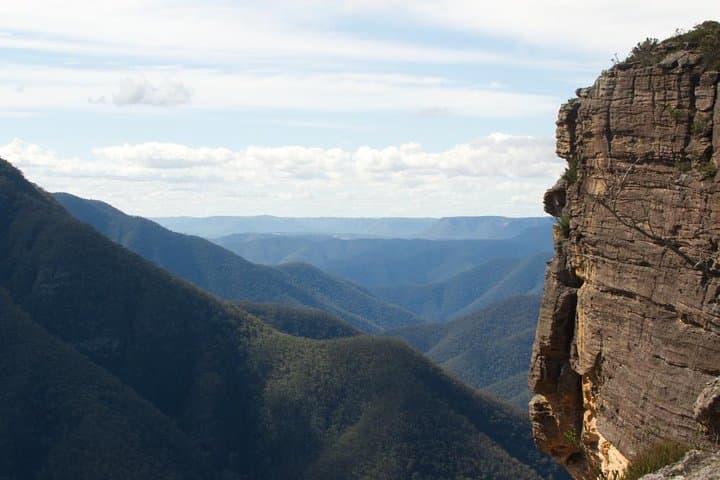
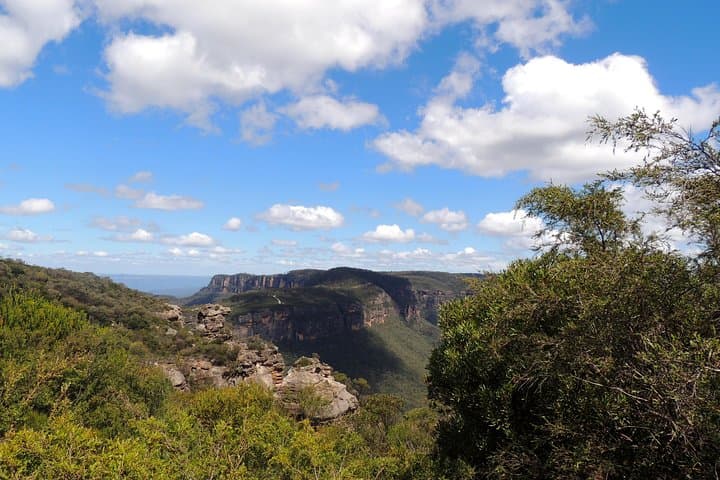
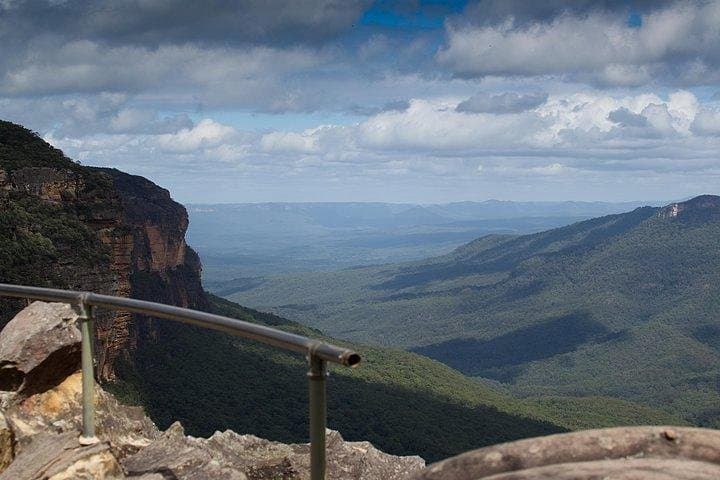
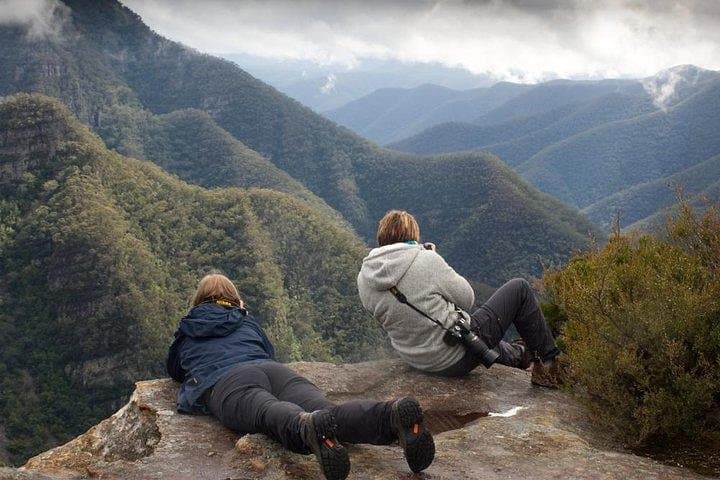
The van eases out of Sydney before dawn and the city lights give way to a blue-gray horizon. By the time you crest the escarpment at Echo Point, the valley has already begun to exhale: mist slips through eucalyptus crowns, a kookaburra rings the air, and the Three Sisters sit like weathered guardians above the canyon. This is not a checklist tour; it’s designed to slow things down—two days that give the Greater Blue Mountains room to reveal itself: waterfalls, secret picnic clearings, ancient caves and the odd wallaby that regards you like a passing curiosity.
The van eases out of Sydney before dawn and the city lights give way to a blue-gray horizon. By the time you crest the escarpment at Echo Point, the valley has already begun to exhale: mist slips through eucalyptus crowns, a kookaburra rings the air, and the Three Sisters sit like weathered guardians above the canyon. This is not a checklist tour; it’s designed to slow things down—two days that give the Greater Blue Mountains room to reveal itself: waterfalls, secret picnic clearings, ancient caves and the odd wallaby that regards you like a passing curiosity.
Geology here reads like a slow-motion epic. The plateau is Permian sandstone carved into cliffs, gorges and pagodas by millions of years of weather and fire. Drive beyond the Jamison Valley and the terrain changes to limestone country around Jenolan—cave passages formed by water dissolving rock deep below the surface. Those contrasting substrates—the pale rig of sandstone and the hollows of karst—create the diverse habitats that support platypus in Blue Lake and the flame robins on Kanangra’s ridges.
The Blue Mountains are also cultural country. The Jamison Valley and the Three Sisters hold deep meaning for the Darug and Gundungurra peoples; look for interpretive signs at key outlooks and listen as guides point out songlines and story places woven into the landscape.
On day one, expect a 1.5-hour Undercliff Circuit at Wentworth Falls, a viewpoint stop at Echo Point, and a quiet descent into Grose Valley for Pulpit Rock vistas. After a heritage afternoon at Jenolan Caves House and a cave tour, you’ll walk the Blue Lake trail at dusk—this is prime platypus time. Day two moves into wild country: a 30 km dirt approach to Kanangra, valley-ridge walks through banksia and long-leafed shrubs and sweeping views across the Kanangra Wall. The itinerary also includes McKeown Valley and a gentle walk where brush-tailed wallabies still persist.
Practical edge: the tour is small-group (max 8), and national park fees are taken care of. Trails are mostly well-formed but can include steep steps, loose rock and muddy sections after rain; moderate fitness is required. Pack layered clothing, sturdy hiking shoes, binoculars and a refillable water bottle—bottled water and some meals are included, but bring snacks and any personal hydration system you prefer. If you want the best wildlife moments, schedule the tour outside the heat of mid-summer: dawn and dusk are when animals move and the light turns the valleys a deep, photogenic blue.
For travelers who want more than a few overlook selfies, this overnight gives time, local knowledge and the kind of quiet edges where the mountains still feel like they run the show.