THE ADVENTURE COLLECTIVE® · Independent discovery and booking for outdoor travel

Lift off from Seward and spend an hour tracing glaciers, fjords and rugged coastline aboard a three-seat helicopter. This flight delivers high drama—Bear Glacier’s iceberg lagoon, Harding Icefield panoramas, and a wildlife sweep—paired with practical tips for booking, packing and timing.
Lift off from Seward and spend an hour tracing glaciers, fjords and rugged coastline aboard a three-seat helicopter. This flight delivers high drama—Bear Glacier’s iceberg lagoon, Harding Icefield panoramas, and a wildlife sweep—paired with practical tips for booking, packing and timing.
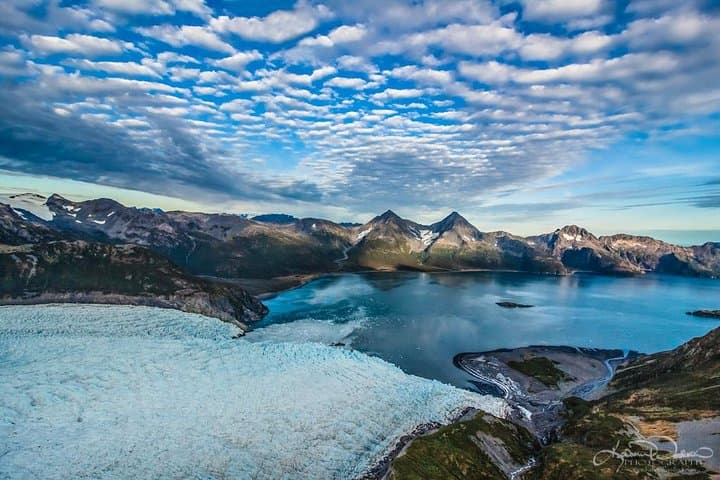
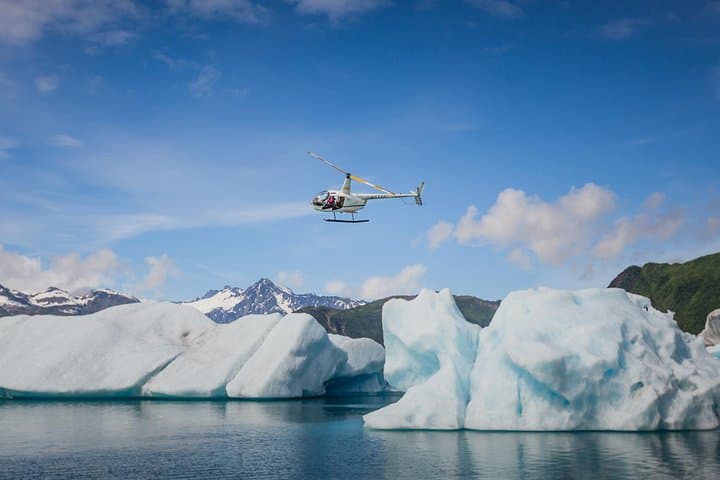
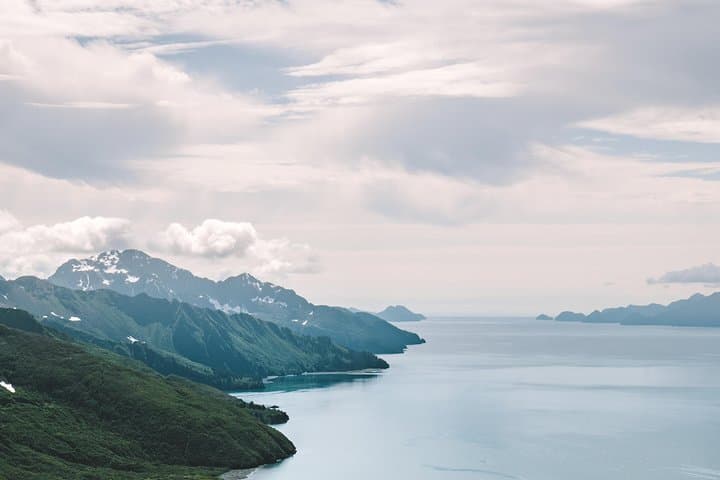
The rotors kick up a spray of harbor air as the little helicopter lifts off from the strip just outside Seward. Below, Resurrection Bay fingers into the coastline—black rock, green forest, and silver water—while the mountains hold a hard, blue light at their crests. For the next hour the plane becomes a lens: glaciers inching toward the sea, icebergs clacking in a pale lagoon, and a coastline that still feels untamed.
Verified experiences and guided adventures in the surrounding area.
Operated by Seward Helicopter Tours · Seward, Alaska
The rotors kick up a spray of harbor air as the little helicopter lifts off from the strip just outside Seward. Below, Resurrection Bay fingers into the coastline—black rock, green forest, and silver water—while the mountains hold a hard, blue light at their crests. For the next hour the plane becomes a lens: glaciers inching toward the sea, icebergs clacking in a pale lagoon, and a coastline that still feels untamed.
This flight follows the same geography that shaped human life here for millennia. The Alutiiq (Sugpiaq) people fished these waters and moved seasonally along the fjords long before the town of Seward—named after Secretary of State William H. Seward—became a gateway for gold miners and modern adventurers. Geologically, the Kenai Fjords and the Harding Icefield are a simple story of ice and gravity: an icefield that feeds dozens of valley glaciers, sculpting fjords and calving bergs into deep inlets.
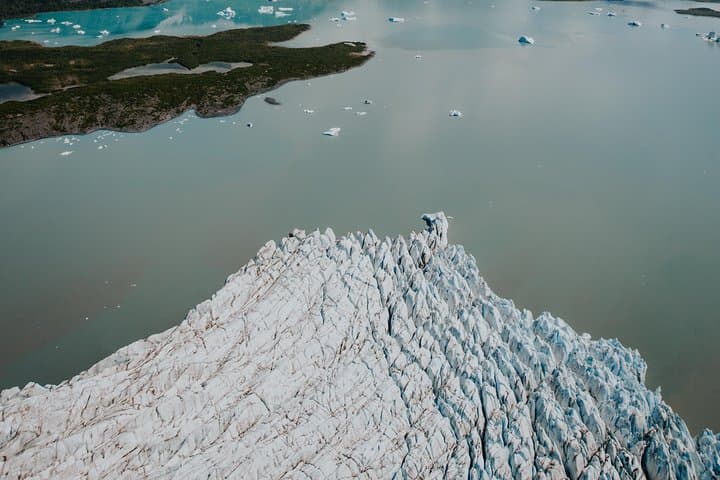
From the air you see that process in motion. Bear Glacier spills into a lagoon dotted with icebergs; its crevasses glow electric blue where pressure squeezes out air. The Harding Icefield looms farther inland, rising thousands of feet above the coast and feeding glaciers like Aialik, Holgate, and Patterson. Wildlife—the silent patrol of mountain goats along ridges, brown bears scanning river mouths, and the occasional humpback whale blowing in the bays—threads through the scene.
Pilots read the weather and contours as a guidebook. Routes shift daily: some flights favor the hard-angle views of the icefield, others circle low over Bear Glacier or sweep Resurrection Bay looking for marine life. That flexibility is part of the appeal; tell your pilot if you want more glacier time or wildlife searching and they’ll try to accommodate conditions.
Practicalities matter on a trip like this. Flights operate on weather; poor visibility or high winds can cancel the tour. FAA weight-and-balance rules limit seating to three passengers per helicopter and a 290 lb limit per seat—honest weights are essential. Dress in layers and bring a warm windproof outer layer; temperatures at altitude feel markedly colder than on shore. Secure cameras and loose hats—the wind and rotor wash are uncompromising. If you’re prone to motion sickness, take precautions before boarding.
For visitors who want the grandest, most efficient view of Kenai Fjords, this hour-long helicopter flight is hard to beat: a compressed, cinematic sweep of glaciers, fjords, and wildlife with the practicalities and safety protocols that keep it accessible to most travelers. Come prepared, keep your camera ready, and let the landscape do the storytelling.
easy.
1 hour.
No special fitness required beyond the ability to sit in a small helicopter for the flight duration.
The Grand View Tour is a fixed 60-minute helicopter flight covering Resurrection Bay, Kenai Fjords National Park and the Harding Icefield.
There is a 290 lb weight limit per seat and an overall aircraft group limit; full disclosure is required at booking for safe weight-and-balance calculations.
This standard departure is a flightseeing tour only and does not include glacier landings; private/custom tours may be arranged by calling the operator.
No—flights operate only in safe weather conditions. The tour will be canceled for inclement weather and full refunds are available if you cancel at least 24 hours prior.
Yes, there is typically a two-person minimum for shared tours; single travelers should call the office to arrange bookings.
Yes—route flexibility allows pilots to prioritize glaciers or wildlife searching when weather permits; communicate your interests when you check in.
Seward grew as a fishing and railhead town after the Alaska Railroad arrived; the region has long been inhabited by Alutiiq (Sugpiaq) peoples who traveled the fjords seasonally.
Glaciers here are retreating due to warming; operators follow strict FAA and park guidelines to minimize disturbance to wildlife and reduce environmental impact.
Seward Helicopter Tours operates guided outdoor trips and adventures with an emphasis on safety, stewardship, and memorable experiences.
The rotors kick up a spray of harbor air as the little helicopter lifts off from the strip just outside Seward. Below, Resurrection Bay fingers into the coastline—black rock, green forest, and silver water—while the mountains hold a hard, blue light at their crests. For the next hour the plane becomes a lens: glaciers inching toward the sea, icebergs clacking in a pale lagoon, and a coastline that still feels untamed.
The rotors kick up a spray of harbor air as the little helicopter lifts off from the strip just outside Seward. Below, Resurrection Bay fingers into the coastline—black rock, green forest, and silver water—while the mountains hold a hard, blue light at their crests. For the next hour the plane becomes a lens: glaciers inching toward the sea, icebergs clacking in a pale lagoon, and a coastline that still feels untamed.
This flight follows the same geography that shaped human life here for millennia. The Alutiiq (Sugpiaq) people fished these waters and moved seasonally along the fjords long before the town of Seward—named after Secretary of State William H. Seward—became a gateway for gold miners and modern adventurers. Geologically, the Kenai Fjords and the Harding Icefield are a simple story of ice and gravity: an icefield that feeds dozens of valley glaciers, sculpting fjords and calving bergs into deep inlets.
From the air you see that process in motion. Bear Glacier spills into a lagoon dotted with icebergs; its crevasses glow electric blue where pressure squeezes out air. The Harding Icefield looms farther inland, rising thousands of feet above the coast and feeding glaciers like Aialik, Holgate, and Patterson. Wildlife—the silent patrol of mountain goats along ridges, brown bears scanning river mouths, and the occasional humpback whale blowing in the bays—threads through the scene.
Pilots read the weather and contours as a guidebook. Routes shift daily: some flights favor the hard-angle views of the icefield, others circle low over Bear Glacier or sweep Resurrection Bay looking for marine life. That flexibility is part of the appeal; tell your pilot if you want more glacier time or wildlife searching and they’ll try to accommodate conditions.
Practicalities matter on a trip like this. Flights operate on weather; poor visibility or high winds can cancel the tour. FAA weight-and-balance rules limit seating to three passengers per helicopter and a 290 lb limit per seat—honest weights are essential. Dress in layers and bring a warm windproof outer layer; temperatures at altitude feel markedly colder than on shore. Secure cameras and loose hats—the wind and rotor wash are uncompromising. If you’re prone to motion sickness, take precautions before boarding.
For visitors who want the grandest, most efficient view of Kenai Fjords, this hour-long helicopter flight is hard to beat: a compressed, cinematic sweep of glaciers, fjords, and wildlife with the practicalities and safety protocols that keep it accessible to most travelers. Come prepared, keep your camera ready, and let the landscape do the storytelling.