THE ADVENTURE COLLECTIVE® · Independent discovery and booking for outdoor travel

Descend the exposed ridge of the South Kaibab Trail from Yaki Point with a guide, visiting Ooh Aah Point and Cedar Ridge for sweeping Grand Canyon panoramas. This small-group day hike pairs geological storytelling with practical pacing and included snacks and lunch.
Descend the exposed ridge of the South Kaibab Trail from Yaki Point with a guide, visiting Ooh Aah Point and Cedar Ridge for sweeping Grand Canyon panoramas. This small-group day hike pairs geological storytelling with practical pacing and included snacks and lunch.
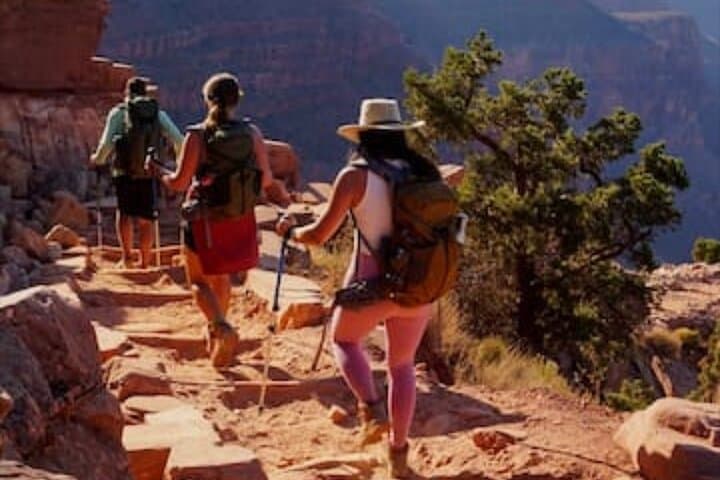
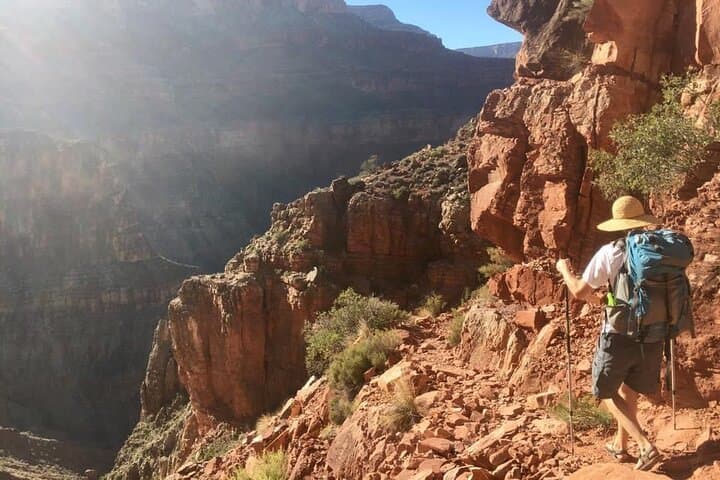
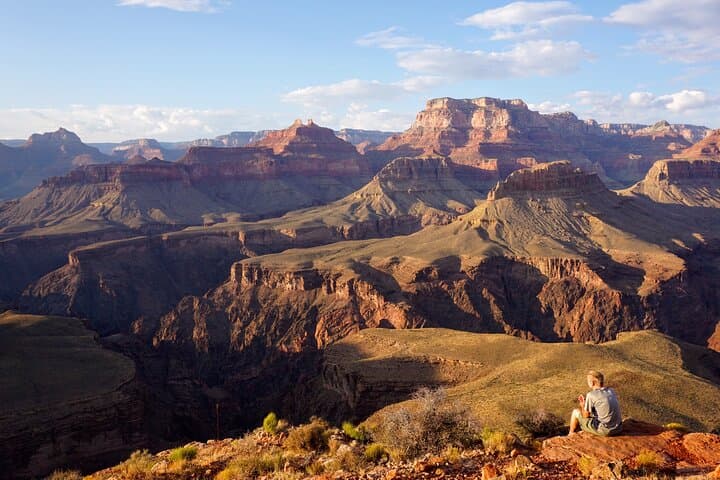
Morning light slices the rim and the first switchback reveals the canyon’s scale — a staircase of red cliffs and shadowed terraces that seems to go on forever. Standing at Yaki Point with a guide beside you, the South Kaibab Trail drops away on a sharp ridge, every turn opening a new, unobstructed view that makes cameras and quiet equally necessary.
Verified experiences and guided adventures in the surrounding area.
Operated by The Desert Hiking Company · Grand Canyon Village, Arizona
Morning light slices the rim and the first switchback reveals the canyon’s scale — a staircase of red cliffs and shadowed terraces that seems to go on forever. Standing at Yaki Point with a guide beside you, the South Kaibab Trail drops away on a sharp ridge, every turn opening a new, unobstructed view that makes cameras and quiet equally necessary.
Geology here reads like a layered book: Paleozoic limestones, Permian sandstones, and ancient Vishnu schist exposed where the Colorado River carved downward over millions of years. The area is also ancestral land for tribes including the Hualapai and Hopi; guides often weave in cultural context about the canyon’s human history alongside natural history.
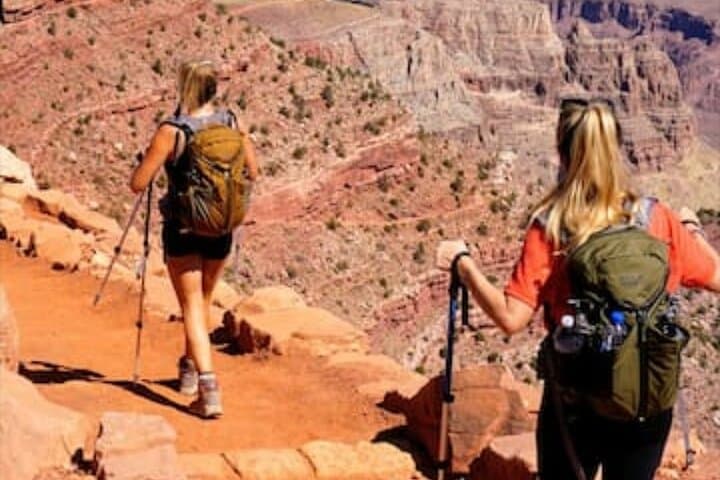
Expect landmark stops: Ooh Aah Point (about 0.9 miles), Cedar Ridge (≈1.5 miles), and possibly Skeleton Point if your group pushes farther. Terrain is steep, exposed, and often wind-swept — the descent is easier on the lungs but will demand steady legs on the return. Wildlife sightings are common: raptors wheel overhead, and mule deer or bighorn sheep can appear on ledges.
Practical guidance: start before sunrise in summer, carry 2–3 liters of water, sun protection, and layered clothing for dramatic temperature swings between rim and inner canyon. The trailhead at Yaki Point is shuttle-accessible only during some seasons, so confirm logistics ahead. Small-group guided hikes include snacks, lunch, licensed guides, and sometimes trekking poles — they handle permits and route choices so you can focus on the view and pacing. Aim for a moderate fitness baseline and respect turnaround times; descending is tempting, but the climb back rewards patience and preparation.
moderate.
6 hours.
Moderate fitness; comfortable with steady uphill sections and sustained downhill control
Typical guided trips last about 6 hours round-trip, covering popular stops; the trail is steep and exposed but paced for groups — expect moderate exertion.
Yaki Point and the South Kaibab trailhead are often served by park shuttles and may have restricted private vehicle access — check seasonal park regulations and your operator’s transport plan.
No reliable water sources exist on the South Kaibab Trail; bring sufficient water for the entire hike and plan for high intake on hot days.
For day hikes no special permit is needed beyond park entry; guided trips typically provide trekking poles and snacks, and guides handle route safety.
The Grand Canyon exposes nearly two billion years of Earth’s history and sits on lands long used by Puebloan peoples and later tribes such as the Hualapai and Hopi.
Stick to designated trails, pack out all trash, and minimize water waste — the inner canyon’s fragile ecosystems and limited water resources are especially vulnerable.
The Desert Hiking Company operates guided outdoor trips and adventures with an emphasis on safety, stewardship, and memorable experiences.
Morning light slices the rim and the first switchback reveals the canyon’s scale — a staircase of red cliffs and shadowed terraces that seems to go on forever. Standing at Yaki Point with a guide beside you, the South Kaibab Trail drops away on a sharp ridge, every turn opening a new, unobstructed view that makes cameras and quiet equally necessary.
Morning light slices the rim and the first switchback reveals the canyon’s scale — a staircase of red cliffs and shadowed terraces that seems to go on forever. Standing at Yaki Point with a guide beside you, the South Kaibab Trail drops away on a sharp ridge, every turn opening a new, unobstructed view that makes cameras and quiet equally necessary.
Geology here reads like a layered book: Paleozoic limestones, Permian sandstones, and ancient Vishnu schist exposed where the Colorado River carved downward over millions of years. The area is also ancestral land for tribes including the Hualapai and Hopi; guides often weave in cultural context about the canyon’s human history alongside natural history.
Expect landmark stops: Ooh Aah Point (about 0.9 miles), Cedar Ridge (≈1.5 miles), and possibly Skeleton Point if your group pushes farther. Terrain is steep, exposed, and often wind-swept — the descent is easier on the lungs but will demand steady legs on the return. Wildlife sightings are common: raptors wheel overhead, and mule deer or bighorn sheep can appear on ledges.
Practical guidance: start before sunrise in summer, carry 2–3 liters of water, sun protection, and layered clothing for dramatic temperature swings between rim and inner canyon. The trailhead at Yaki Point is shuttle-accessible only during some seasons, so confirm logistics ahead. Small-group guided hikes include snacks, lunch, licensed guides, and sometimes trekking poles — they handle permits and route choices so you can focus on the view and pacing. Aim for a moderate fitness baseline and respect turnaround times; descending is tempting, but the climb back rewards patience and preparation.