THE ADVENTURE COLLECTIVE® · Independent discovery and booking for outdoor travel

Turn an abandoned hotel into a canvas, then trade paint for fins on a sheltered Ibiza beach. This half-day pairs guided graffiti with snorkeling in clear Mediterranean water—ideal for travelers who want a creative and active seaside experience.
Turn an abandoned hotel into a canvas, then trade paint for fins on a sheltered Ibiza beach. This half-day pairs guided graffiti with snorkeling in clear Mediterranean water—ideal for travelers who want a creative and active seaside experience.
You arrive before the heat of the day, the salt and resin smell of the sea already pulling at your senses. An old, concrete hotel squats at the edge of the sand—its blank, weather-bleached walls a rough canvas facing turquoise water. The guide hands out paint bombs and a short briefing: today the structure, abandoned during a development boom decades ago, will be repurposed into color; then the group will cross a short stretch of sand to slip into water that dares you to explore its clarity.
Verified experiences and guided adventures in the surrounding area.
Operated by Thibaut Guide IBIZA · Sant Josep de sa Talaia, Balearic Islands
You arrive before the heat of the day, the salt and resin smell of the sea already pulling at your senses. An old, concrete hotel squats at the edge of the sand—its blank, weather-bleached walls a rough canvas facing turquoise water. The guide hands out paint bombs and a short briefing: today the structure, abandoned during a development boom decades ago, will be repurposed into color; then the group will cross a short stretch of sand to slip into water that dares you to explore its clarity.
Ibiza’s west coast is layered history and geology. Limestone cliffs, carved by wind and wave, drop to shelves of Posidonia sea grass—the island’s underwater lungs. The abandoned hotel is part of a wave of mid-20th-century development that reshaped the coastline; local attitudes have shifted since, and carefully permitted art projects like this one sit at the intersection of creative reuse and coastal stewardship.
The trip pairs two distinct local cultures: the island’s strong street-art community and its centuries-old relationship with the sea. On land you’ll feel urban textures—peeling paint, concrete grain—then, within minutes, the salt-sanded flip to marine terrain: rocky headlands, shallow reefs, and patches of white sand where visibility commonly ranges 10–20 meters on calm days.
Practicalities are straightforward. The activity runs about six hours with light walking—expect a 100–500 m walk from the meeting lot to the hotel and no meaningful elevation gain. Terrain is a mix of parking-lot gravel, short concrete approaches, and sandy beach; water entry is typically from a gentle shoreline or small rocky ledge. Swimmers should be comfortable snorkeling in open water and able to handle a mild current if it appears. Guides supply snorkeling equipment and snacks; bring a mask you trust if you prefer your own.
Timing makes the difference: morning light softens the cement for graffiti photos and keeps bathers away; late afternoon brings flat water and golden reflections for snorkeling. Respect rules: paint is used only on the designated, disused structure with permission—avoid tagging cliffs or protected features—and use reef-safe sunscreen and no-touch snorkeling practices to protect Posidonia meadows and marine life.
Logistics are flexible: meet at the KanPai parking lot or arrange pickup from nearby hotels. Communicate allergies or mobility needs in advance. If you want better photos, choose a day with low wind and aim for early or late light; for calmer water, avoid mid-July to mid-August peak winds.
This is an experience that flips between expression and observation—spray-can geometry on raw architecture, then the cool, slow glide of fins over reefs. It’s an approachable half-day for travelers who want something off the standard beach rota: part creative workshop, part marine dip, all grounded in Ibiza’s shifting relationship between art, tourism, and the sea.
easy.
5–6 hours.
Light fitness—comfortable walking 100–500 m and basic snorkeling ability; suitable for most travelers.
Yes—graffiti is done on a disused hotel with the guide’s permission; participants must only paint on the designated areas.
Yes—snorkel equipment is included, but you may bring your own mask or fins if you prefer.
Yes—activity is family-friendly but children should be supervised while using paint and in the water; disclose ages when booking.
Guides commonly speak English, Spanish, and French; confirm language needs when booking.
The operator cancels in poor weather for safety and offers a full refund if cancelled at least 24 hours before departure per policy.
You can meet at the KanPai parking lot or request hotel pickup—contact the supplier in advance via WhatsApp to arrange details.
The west coast saw a development boom in the 1960s–70s; some buildings were later abandoned and now serve as canvases for sanctioned street art.
The area contains Posidonia seagrass beds; guests are asked to use reef-safe sunscreen, avoid touching the seabed, and pack out any trash.
Thibaut Guide IBIZA operates guided outdoor trips and adventures with an emphasis on safety, stewardship, and memorable experiences.
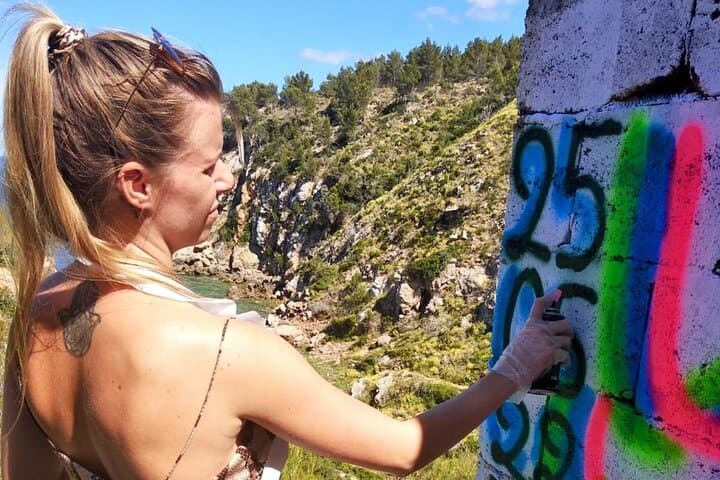
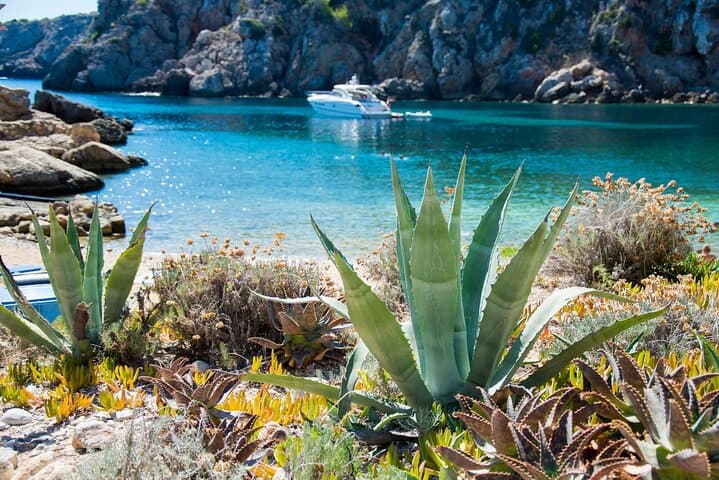
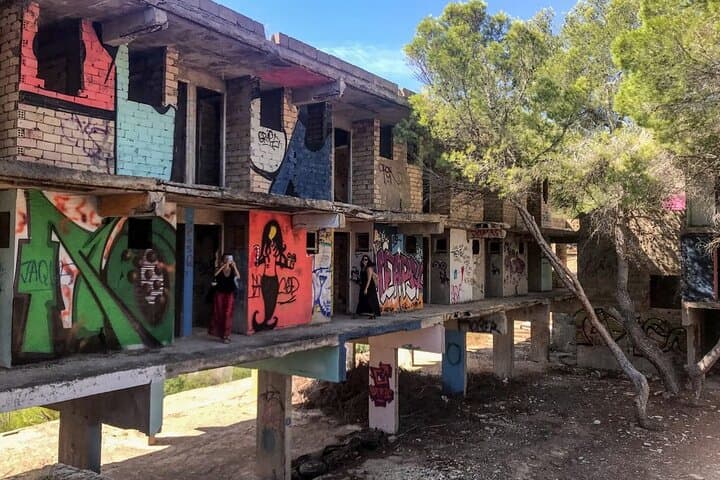
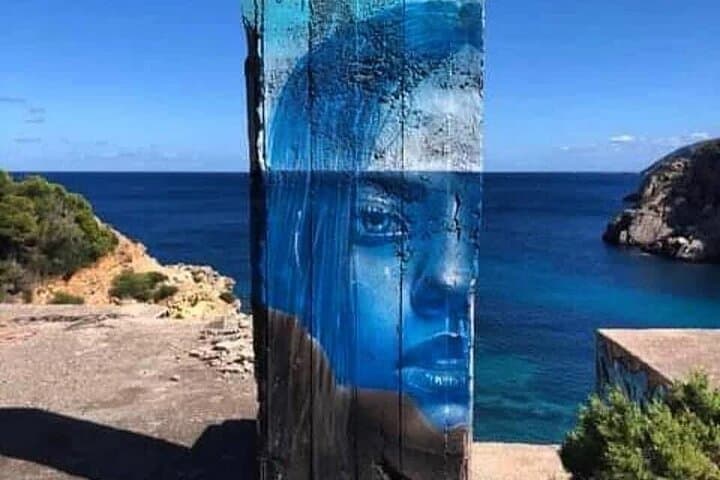
You arrive before the heat of the day, the salt and resin smell of the sea already pulling at your senses. An old, concrete hotel squats at the edge of the sand—its blank, weather-bleached walls a rough canvas facing turquoise water. The guide hands out paint bombs and a short briefing: today the structure, abandoned during a development boom decades ago, will be repurposed into color; then the group will cross a short stretch of sand to slip into water that dares you to explore its clarity.
You arrive before the heat of the day, the salt and resin smell of the sea already pulling at your senses. An old, concrete hotel squats at the edge of the sand—its blank, weather-bleached walls a rough canvas facing turquoise water. The guide hands out paint bombs and a short briefing: today the structure, abandoned during a development boom decades ago, will be repurposed into color; then the group will cross a short stretch of sand to slip into water that dares you to explore its clarity.
Ibiza’s west coast is layered history and geology. Limestone cliffs, carved by wind and wave, drop to shelves of Posidonia sea grass—the island’s underwater lungs. The abandoned hotel is part of a wave of mid-20th-century development that reshaped the coastline; local attitudes have shifted since, and carefully permitted art projects like this one sit at the intersection of creative reuse and coastal stewardship.
The trip pairs two distinct local cultures: the island’s strong street-art community and its centuries-old relationship with the sea. On land you’ll feel urban textures—peeling paint, concrete grain—then, within minutes, the salt-sanded flip to marine terrain: rocky headlands, shallow reefs, and patches of white sand where visibility commonly ranges 10–20 meters on calm days.
Practicalities are straightforward. The activity runs about six hours with light walking—expect a 100–500 m walk from the meeting lot to the hotel and no meaningful elevation gain. Terrain is a mix of parking-lot gravel, short concrete approaches, and sandy beach; water entry is typically from a gentle shoreline or small rocky ledge. Swimmers should be comfortable snorkeling in open water and able to handle a mild current if it appears. Guides supply snorkeling equipment and snacks; bring a mask you trust if you prefer your own.
Timing makes the difference: morning light softens the cement for graffiti photos and keeps bathers away; late afternoon brings flat water and golden reflections for snorkeling. Respect rules: paint is used only on the designated, disused structure with permission—avoid tagging cliffs or protected features—and use reef-safe sunscreen and no-touch snorkeling practices to protect Posidonia meadows and marine life.
Logistics are flexible: meet at the KanPai parking lot or arrange pickup from nearby hotels. Communicate allergies or mobility needs in advance. If you want better photos, choose a day with low wind and aim for early or late light; for calmer water, avoid mid-July to mid-August peak winds.
This is an experience that flips between expression and observation—spray-can geometry on raw architecture, then the cool, slow glide of fins over reefs. It’s an approachable half-day for travelers who want something off the standard beach rota: part creative workshop, part marine dip, all grounded in Ibiza’s shifting relationship between art, tourism, and the sea.