THE ADVENTURE COLLECTIVE® · Independent discovery and booking for outdoor travel

Drive into the Grand Canyon of France on a private day trip that stitches together Castellane, Moustiers-Sainte-Marie and Lac de Sainte-Croix. Expect limestone cliffs, faience workshops, lavender-scented fields and optional lake swims or canoeing.
Drive into the Grand Canyon of France on a private day trip that stitches together Castellane, Moustiers-Sainte-Marie and Lac de Sainte-Croix. Expect limestone cliffs, faience workshops, lavender-scented fields and optional lake swims or canoeing.
Pull off the coastal ribbon of the Côte d'Azur and the world tightens into stone. The road climbs from pine-scented switchbacks and then, abruptly, the Verdon opens beneath you: a canyon split by a river that has, over millennia, dared the limestone to give way.
Verified experiences and guided adventures in the surrounding area.
Operated by BINGO TOUR · Castellane, Provence-Alpes-Côte d'Azur
Pull off the coastal ribbon of the Côte d'Azur and the world tightens into stone. The road climbs from pine-scented switchbacks and then, abruptly, the Verdon opens beneath you: a canyon split by a river that has, over millennia, dared the limestone to give way.
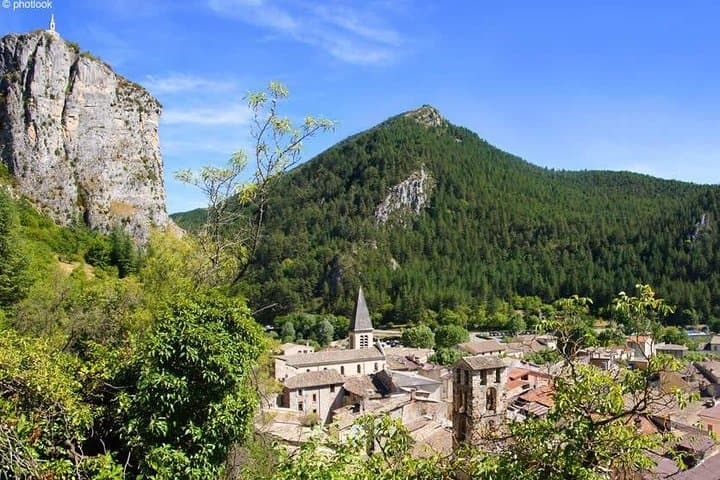
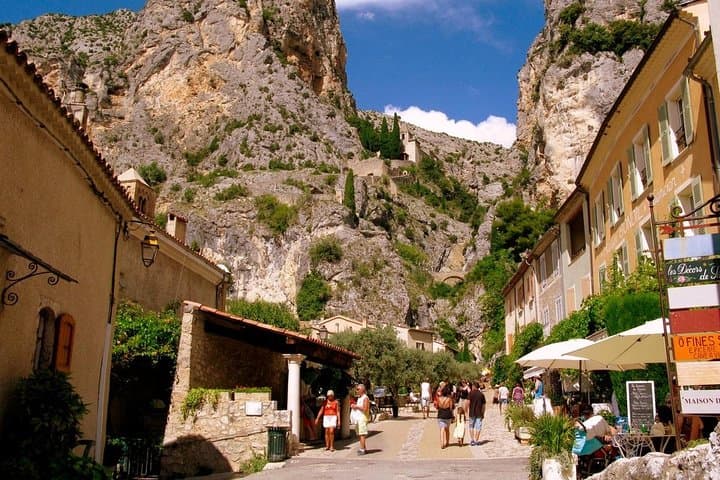
This private day tour compresses that geological drama into a single ten-hour loop, moving from Castellane’s crenellated streets through the amphitheater village of Moustiers-Sainte-Marie to the pale-blue sweep of Lac de Sainte-Croix. Castellane, at the canyon's mouth, reads like a medieval waypoint: a Route Napoléon town with XIV-century ramparts and a bell tower that names the skyline. Moustiers earned its reputation in faience—delicate, painted earthenware that put this village on trade routes centuries ago. Below both, the Verdon River carved one of Europe’s deepest gorges; walls fall away as much as 700 meters in places, layering Jurassic limestone like pages of a slow-moving book.
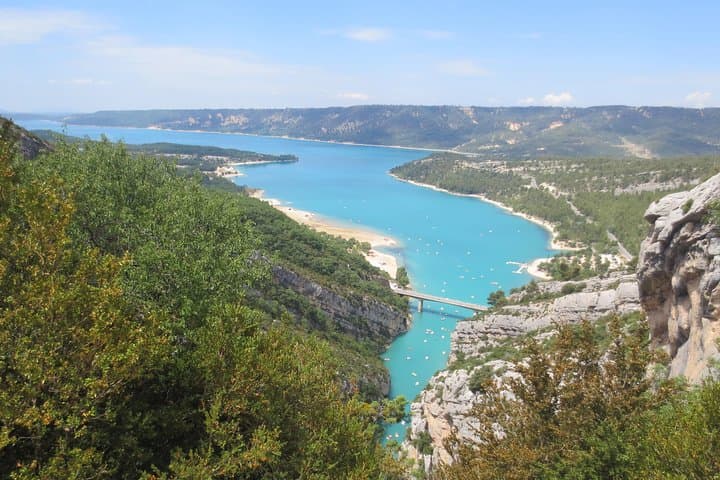
Geology here is visceral. Water has been the author: the river’s current once sliced a narrow throat through rock, then widened into the Grand Canyon of France. Lac de Sainte-Croix, a reservoir created mid-20th century, now spreads out as the canyon’s calm mirror—ideal for swimming, canoeing, or renting an electric boat when summer sun presses hard on the cliffs.
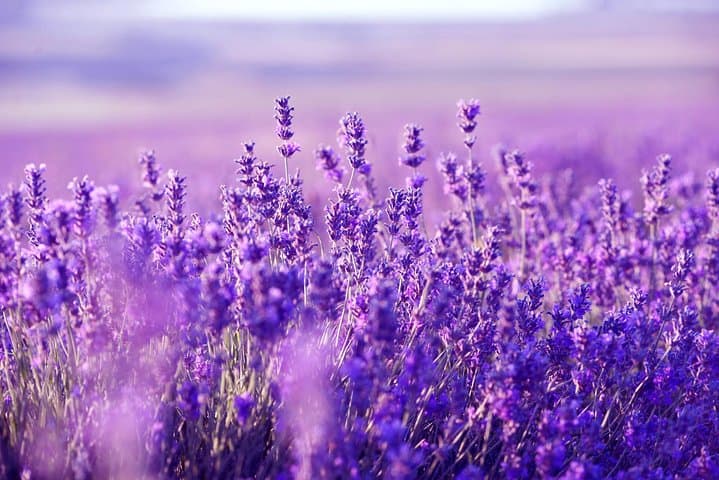
Culture and scent arrive in lavender fields that perfume June through August, and in pottery shops in Moustiers where master faïenciers still shape and paint by hand. Local guides mix that cultural thread with practical knowledge: where to park for the best viewpoints, which coves are swim-friendly, and when the light will flatten the canyon walls for a photo.
Practical edge: this tour is driven, which makes it accessible to most fitness levels, but plan for short walking segments on uneven village streets and lookout platforms with loose scree. Bring sturdy shoes for those moments, and a lightweight daypack for water, sun protection, and a camera. Start early to avoid mid-afternoon heat and tourist buses; golden hour softens the limestone and pulls color from the water.
Book a private vehicle if you want flexibility—stops at panoramic pullouts, a longer coffee in Castellane, or extra time on the lake. If your trip hits July, plan for crowds and reserve activities on the water ahead of time. Whether you come for the faience, the lavender, or the vertiginous views, the Gorges du Verdon reads like an argument between rock and river: the canyon pushes you to slow down and listen.
easy.
10 hours.
Suitable for light activity; short uneven walks and lookout steps require basic mobility and balance
This private tour runs about 10 hours with multiple stops—expect brief village walks (20–60 minutes) and several scenic photo pulls.
Water activities are not included by default; you can add canoe, pedal boat or electric-boat rentals at Lac de Sainte-Croix (seasonal, extra cost).
Yes—the operator offers pickup across the French Riviera (Nice, Cannes, Monaco), typically with a 10-minute pickup window before departure.
Yes—it's vehicle-based and noted as suitable for all fitness levels, but young children or those with limited mobility should be able to handle short walks and vehicle transfers.
Lavender peaks June through August; mid-July typically offers the fullest bloom, though exact timing shifts with altitude and season.
Admissions are generally not included; this itinerary focuses on viewpoints, villages and lake access—ask the operator if you want guided access or museum visits added.
The Verdon gorge formed as water eroded Jurassic limestone; human settlement concentrated in defensive villages like Castellane during the Middle Ages along Route Napoléon.
The Verdon is managed for both recreation and habitat protection—respect marked trails, avoid cliff edges, and carry out all litter; motorized boat regulations help protect water quality in Lac de Sainte-Croix.
BINGO TOUR operates guided outdoor trips and adventures with an emphasis on safety, stewardship, and memorable experiences.
Pull off the coastal ribbon of the Côte d'Azur and the world tightens into stone. The road climbs from pine-scented switchbacks and then, abruptly, the Verdon opens beneath you: a canyon split by a river that has, over millennia, dared the limestone to give way.
Pull off the coastal ribbon of the Côte d'Azur and the world tightens into stone. The road climbs from pine-scented switchbacks and then, abruptly, the Verdon opens beneath you: a canyon split by a river that has, over millennia, dared the limestone to give way.
This private day tour compresses that geological drama into a single ten-hour loop, moving from Castellane’s crenellated streets through the amphitheater village of Moustiers-Sainte-Marie to the pale-blue sweep of Lac de Sainte-Croix. Castellane, at the canyon's mouth, reads like a medieval waypoint: a Route Napoléon town with XIV-century ramparts and a bell tower that names the skyline. Moustiers earned its reputation in faience—delicate, painted earthenware that put this village on trade routes centuries ago. Below both, the Verdon River carved one of Europe’s deepest gorges; walls fall away as much as 700 meters in places, layering Jurassic limestone like pages of a slow-moving book.
Geology here is visceral. Water has been the author: the river’s current once sliced a narrow throat through rock, then widened into the Grand Canyon of France. Lac de Sainte-Croix, a reservoir created mid-20th century, now spreads out as the canyon’s calm mirror—ideal for swimming, canoeing, or renting an electric boat when summer sun presses hard on the cliffs.
Culture and scent arrive in lavender fields that perfume June through August, and in pottery shops in Moustiers where master faïenciers still shape and paint by hand. Local guides mix that cultural thread with practical knowledge: where to park for the best viewpoints, which coves are swim-friendly, and when the light will flatten the canyon walls for a photo.
Practical edge: this tour is driven, which makes it accessible to most fitness levels, but plan for short walking segments on uneven village streets and lookout platforms with loose scree. Bring sturdy shoes for those moments, and a lightweight daypack for water, sun protection, and a camera. Start early to avoid mid-afternoon heat and tourist buses; golden hour softens the limestone and pulls color from the water.
Book a private vehicle if you want flexibility—stops at panoramic pullouts, a longer coffee in Castellane, or extra time on the lake. If your trip hits July, plan for crowds and reserve activities on the water ahead of time. Whether you come for the faience, the lavender, or the vertiginous views, the Gorges du Verdon reads like an argument between rock and river: the canyon pushes you to slow down and listen.