THE ADVENTURE COLLECTIVE® · Independent discovery and booking for outdoor travel

Steep walls, rope-assisted climbs, 100–124°F geothermal waterfalls and a frigid Colorado River plunge — Goldstrike Hot Springs is a rugged, full-day canyon experience near Hoover Dam. Expect scrambling, steam, and therapeutic pools.
Steep walls, rope-assisted climbs, 100–124°F geothermal waterfalls and a frigid Colorado River plunge — Goldstrike Hot Springs is a rugged, full-day canyon experience near Hoover Dam. Expect scrambling, steam, and therapeutic pools.
The trail begins under a glare of desert sun and the low, humming presence of the Colorado River. You step off the parking lot and descend a brittle wash where rock remembers water that once carved these walls. The canyon narrows; the air goes from dry to steaming. Steam rises like a hand, urging you forward toward pools warmed by water that has sat deep in the earth long enough to forget cold.
Verified experiences and guided adventures in the surrounding area.
Operated by Adventure Child LLC · Boulder City, Nevada
The trail begins under a glare of desert sun and the low, humming presence of the Colorado River. You step off the parking lot and descend a brittle wash where rock remembers water that once carved these walls. The canyon narrows; the air goes from dry to steaming. Steam rises like a hand, urging you forward toward pools warmed by water that has sat deep in the earth long enough to forget cold.
Goldstrike is not a postcard — it’s a workman’s canyon: ladders of rope, scramble sections, and a handful of wet, hot surprises. The hike threads through volcanic and sedimentary rock, the layers telling a half-million-year story of river incision and tectonic lift. The canyon’s hot springs are heated by residual geothermal gradients; locals once prospected these gullies for placer gold in the 1800s, giving the canyon its name. Today the route passes within sight of the Mike O’Callaghan–Pat Tillman Memorial Bridge and the wider sweep of Lake Mead, reminders that this remote gorge sits close to major infrastructure and modern history.
Expect four rope-assisted climbs over slick stone, sections where you will lean your weight into a rope while a warm cascade steams nearby. Waterfall vents hit 100–124°F in places — the steam is thick enough to fog goggles and make hair damp. After the climbs, natural tubs collect 98–102°F water where you can sink aching shoulders; then the Colorado River sits like a shock in the distance, icy and bright. The hot/cold switch — soak then plunge — is jarring and clarifying.
This trip reads like two adventures in one: canyon scramble and thermal soak. Guides on these runs carry extra water and snacks and manage safety on the ropes and river edge. The route is exposed, with loose talus and narrow ledges; shoes with sticky rubber, rope gloves, and steady footing are not optional. Hydration, sunscreen, and timing your descent to avoid midday heat are essential.
Practical logistics: plan on 5–7 hours round-trip, variable depending on group skill and time in the pools. Fitness matters — hikers should be comfortable with sustained scrambling, short technical rope assists, and a brisk cold-water swim if they choose. Leave no trace: these springs are fragile, home to microbial mats and tiny desert species; pack out everything you bring in.
At the end of the day you climb back toward light and civilization, but the canyon keeps a final gift — the memory of steam on skin and the roar of the river daring you to return.
difficult.
5–7 hours.
High level of fitness: comfortable with sustained scrambling, short technical rope-assisted sections, and hiking 5+ miles over rough terrain.
This is a difficult, full-day canyon hike with four rope-assisted climbs and exposed scrambling; strong cardiovascular fitness and surefootedness are required.
Guides are strongly recommended for safety and local knowledge; no special permit is required beyond park entrance rules, but access is managed within Lake Mead National Recreation Area.
No — spring and river water should be treated; bring your own water for drinking and rely on guide supplies if available.
Some waterfall vents reach 100–124°F; test temperatures before entering and avoid prolonged contact with superheated outflows.
Children under 10 are generally discouraged unless they can do a pull-up and hike roughly 5 miles; fitness is evaluated case-by-case by guides.
Meet at the Goldstrike Hot Springs trailhead parking lot near the Hoover Dam/Boulder City corridor; directions are provided at booking and guides meet the group there.
Goldstrike Canyon carries a legacy of 19th-century prospectors and sits downstream from Hoover Dam, linking industrial-era engineering with ancient river geology.
The thermal pools are delicate; avoid soaps and sunscreen in water, and pack out all waste to protect microbial habitats and desert flora.
Adventure Child LLC operates guided outdoor trips and adventures with an emphasis on safety, stewardship, and memorable experiences.
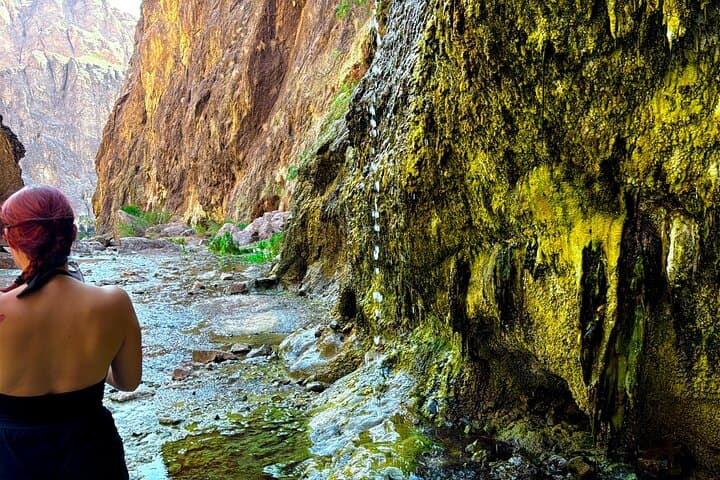
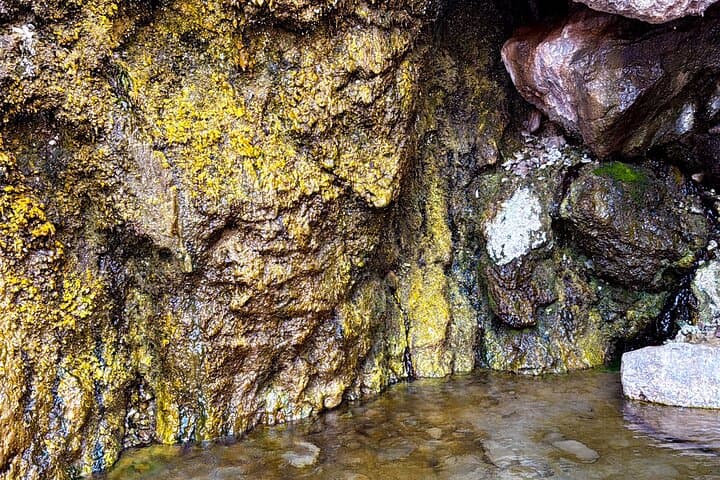
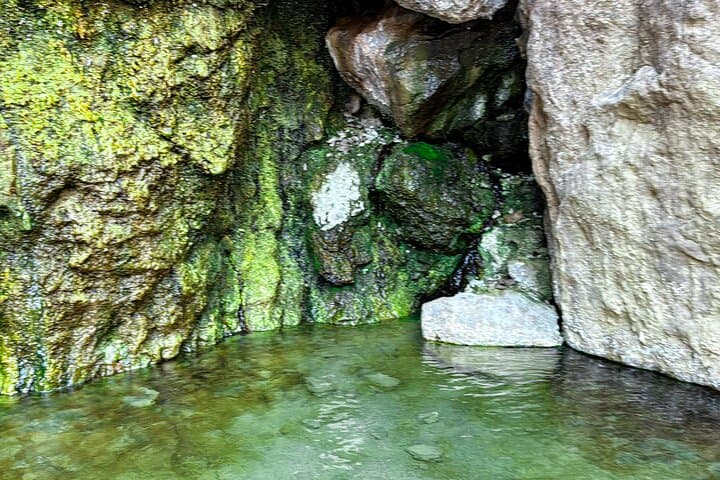
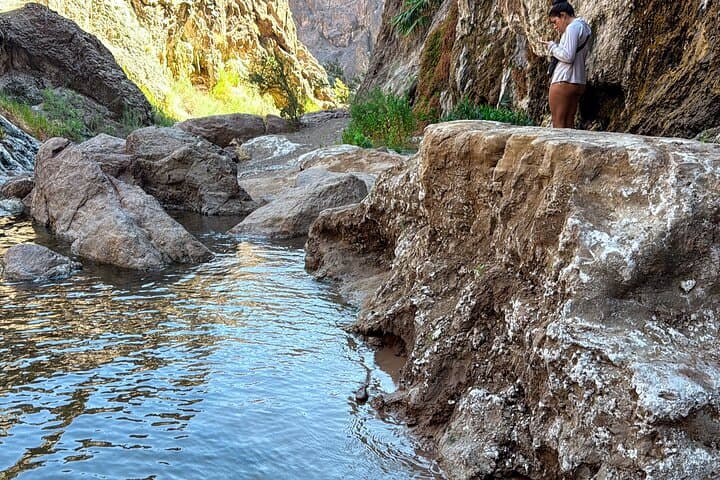
The trail begins under a glare of desert sun and the low, humming presence of the Colorado River. You step off the parking lot and descend a brittle wash where rock remembers water that once carved these walls. The canyon narrows; the air goes from dry to steaming. Steam rises like a hand, urging you forward toward pools warmed by water that has sat deep in the earth long enough to forget cold.
The trail begins under a glare of desert sun and the low, humming presence of the Colorado River. You step off the parking lot and descend a brittle wash where rock remembers water that once carved these walls. The canyon narrows; the air goes from dry to steaming. Steam rises like a hand, urging you forward toward pools warmed by water that has sat deep in the earth long enough to forget cold.
Goldstrike is not a postcard — it’s a workman’s canyon: ladders of rope, scramble sections, and a handful of wet, hot surprises. The hike threads through volcanic and sedimentary rock, the layers telling a half-million-year story of river incision and tectonic lift. The canyon’s hot springs are heated by residual geothermal gradients; locals once prospected these gullies for placer gold in the 1800s, giving the canyon its name. Today the route passes within sight of the Mike O’Callaghan–Pat Tillman Memorial Bridge and the wider sweep of Lake Mead, reminders that this remote gorge sits close to major infrastructure and modern history.
Expect four rope-assisted climbs over slick stone, sections where you will lean your weight into a rope while a warm cascade steams nearby. Waterfall vents hit 100–124°F in places — the steam is thick enough to fog goggles and make hair damp. After the climbs, natural tubs collect 98–102°F water where you can sink aching shoulders; then the Colorado River sits like a shock in the distance, icy and bright. The hot/cold switch — soak then plunge — is jarring and clarifying.
This trip reads like two adventures in one: canyon scramble and thermal soak. Guides on these runs carry extra water and snacks and manage safety on the ropes and river edge. The route is exposed, with loose talus and narrow ledges; shoes with sticky rubber, rope gloves, and steady footing are not optional. Hydration, sunscreen, and timing your descent to avoid midday heat are essential.
Practical logistics: plan on 5–7 hours round-trip, variable depending on group skill and time in the pools. Fitness matters — hikers should be comfortable with sustained scrambling, short technical rope assists, and a brisk cold-water swim if they choose. Leave no trace: these springs are fragile, home to microbial mats and tiny desert species; pack out everything you bring in.
At the end of the day you climb back toward light and civilization, but the canyon keeps a final gift — the memory of steam on skin and the roar of the river daring you to return.