THE ADVENTURE COLLECTIVE® · Independent discovery and booking for outdoor travel

Spend a day tracing Iceland’s Golden Circle with a small group: erupting geysers, the thunder of Gullfoss, the rift of Thingvellir, plus a greenhouse lunch and an Icelandic horse show. This premium day trip balances sightlines, local stories, and practical comfort.
Spend a day tracing Iceland’s Golden Circle with a small group: erupting geysers, the thunder of Gullfoss, the rift of Thingvellir, plus a greenhouse lunch and an Icelandic horse show. This premium day trip balances sightlines, local stories, and practical comfort.
A low-slung bus rolls out of Reykjavik before dawn and the city lights sink behind you; the road opens to a landscape that seems to breathe. By the time you reach the steaming theater of Strokkur, the air tastes of sulphur and the ground hums—then the geyser wills itself up and spits a column of water skyward, like a natural clock reminding you how quickly Iceland rearranges the ordinary into spectacle.
Verified experiences and guided adventures in the surrounding area.
Operated by BusTravel Iceland · Reykjavik, Capital Region
A low-slung bus rolls out of Reykjavik before dawn and the city lights sink behind you; the road opens to a landscape that seems to breathe. By the time you reach the steaming theater of Strokkur, the air tastes of sulphur and the ground hums—then the geyser wills itself up and spits a column of water skyward, like a natural clock reminding you how quickly Iceland rearranges the ordinary into spectacle.
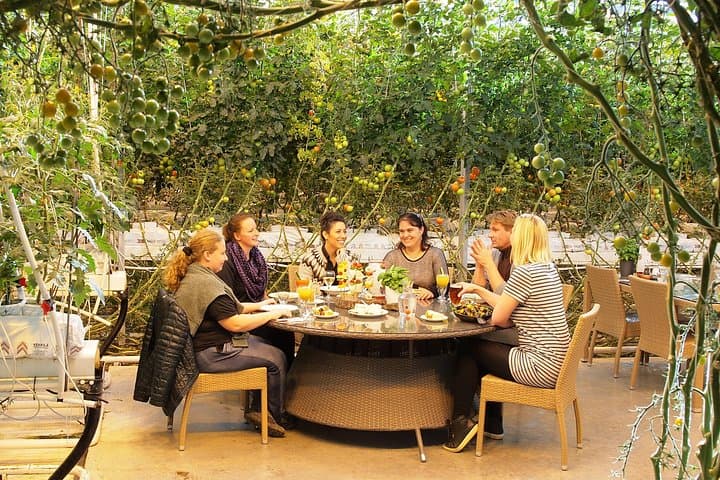
This small-group Golden Circle tour pares the route down to essentials: geysers that still explode on schedule, a two-tiered waterfall that thunders with blunt, geological purpose, a rift valley where continents politely part, and a greenhouse where tomatoes grow under thermal light. Along the way you’ll visit Fridheimar, a roadside farm that has reimagined greenhouse agriculture using geothermal heat, and a family-run horse farm where the compact, sure-footed Icelandic horse performs a short show and invites a closer look.
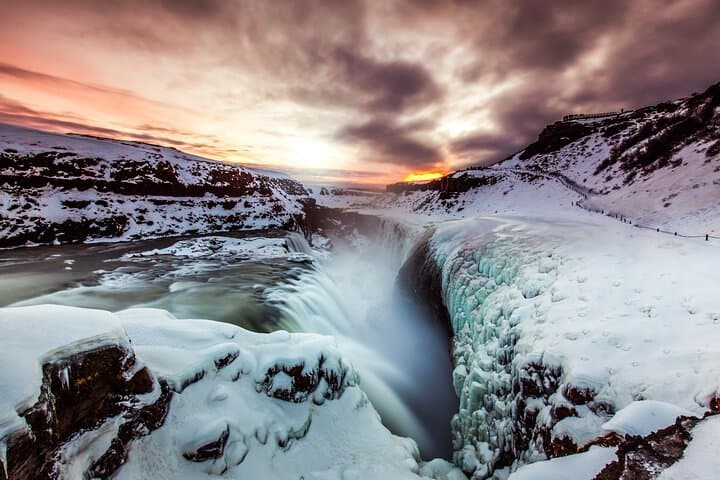
Thingvellir’s sweep is both politically and geologically significant. It was the site of the Althing—one of the world’s oldest parliaments—founded in the late 900s, and the rift visible there is the surface expression of the Eurasian and North American plates drifting apart. Gullfoss channels the Hvítá river through two dramatic drops, the current pushing outward with a blunt insistence; Kerið, a volcanic crater now rimmed in vivid red and green, records an eruption’s quieter aftermath.
Local guides on this premium small-group run are less herd managers and more storytellers: they’ll sketch the Viking-era politics of Thingvellir, explain how geothermal energy feeds local farms, and point out the cultural role of the Icelandic horse. Cultural touches—like tasting sun-warmed greenhouse tomatoes at Fridheimar or watching riders cue subtle tölt steps—make the route feel curated rather than boxed.
Practicalities are straightforward. The tour is about nine hours with pick-up in central Reykjavik; expect short walks from parking to viewpoints and uneven paths at Gullfoss and Thingvellir. Dress in layers: wind and rain are frequent even on calm days. Footwear with grip is important—ice grips can be useful in shoulder seasons. Bring a waterproof shell, a small daypack for snacks and camera, and a sense of patience for group logistics (pick-up windows can be up to 30 minutes).
Timing matters for photos: sunrise and golden hour flatten the light and reduce crowds; midday shows geyser action best. If you want more time at any stop—especially Kerið or the horse farm—ask your guide when booking; small-group flexibility often yields an extra ten minutes where larger coaches cannot. Above all, stay on marked paths to protect fragile moss and geothermal surfaces—this landscape looks tough but is easily scarred.
easy.
8–9 hours.
Suitable for most fitness levels; involves short walks on uneven terrain and steps at viewpoints.
The tour is approximately nine hours and includes small-group transport, a professional local guide, visits to Geysir, Gullfoss, Thingvellir, Kerið, Fridheimar greenhouse (with tomato tasting), and a horse farm show.
Most stops are included per the itinerary; Kerið and Fridheimar visits have admission covered—your guide will note any optional extra costs for food or souvenirs.
Yes—this tour is rated easy and appropriate for most ages, though mobility limitations may affect access to some viewpoints with steps or uneven ground.
Bring water and snacks; there are food options at Fridheimar and at the Geysir visitor area, but bringing something for the drive is convenient.
Layered, insulated clothing, warm waterproof boots, gloves and a hat; ice grips for shoes are recommended for icy paths.
Yes—cruise passengers must provide ship name and docking/disembarkation times at booking to ensure pickup and reboarding logistics.
Thingvellir hosted the Althing in the late 900s, linking the landscape to Iceland’s political origins; the rift marks the meeting of two tectonic plates.
Stay on marked paths—moss and geothermal crust are fragile; support local businesses like Fridheimar that use renewable geothermal energy.
BusTravel Iceland operates guided outdoor trips and adventures with an emphasis on safety, stewardship, and memorable experiences.
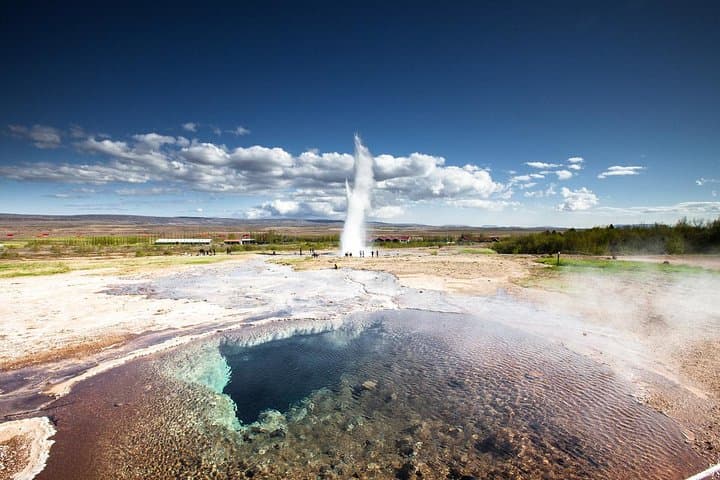
A low-slung bus rolls out of Reykjavik before dawn and the city lights sink behind you; the road opens to a landscape that seems to breathe. By the time you reach the steaming theater of Strokkur, the air tastes of sulphur and the ground hums—then the geyser wills itself up and spits a column of water skyward, like a natural clock reminding you how quickly Iceland rearranges the ordinary into spectacle.
A low-slung bus rolls out of Reykjavik before dawn and the city lights sink behind you; the road opens to a landscape that seems to breathe. By the time you reach the steaming theater of Strokkur, the air tastes of sulphur and the ground hums—then the geyser wills itself up and spits a column of water skyward, like a natural clock reminding you how quickly Iceland rearranges the ordinary into spectacle.
This small-group Golden Circle tour pares the route down to essentials: geysers that still explode on schedule, a two-tiered waterfall that thunders with blunt, geological purpose, a rift valley where continents politely part, and a greenhouse where tomatoes grow under thermal light. Along the way you’ll visit Fridheimar, a roadside farm that has reimagined greenhouse agriculture using geothermal heat, and a family-run horse farm where the compact, sure-footed Icelandic horse performs a short show and invites a closer look.
Thingvellir’s sweep is both politically and geologically significant. It was the site of the Althing—one of the world’s oldest parliaments—founded in the late 900s, and the rift visible there is the surface expression of the Eurasian and North American plates drifting apart. Gullfoss channels the Hvítá river through two dramatic drops, the current pushing outward with a blunt insistence; Kerið, a volcanic crater now rimmed in vivid red and green, records an eruption’s quieter aftermath.
Local guides on this premium small-group run are less herd managers and more storytellers: they’ll sketch the Viking-era politics of Thingvellir, explain how geothermal energy feeds local farms, and point out the cultural role of the Icelandic horse. Cultural touches—like tasting sun-warmed greenhouse tomatoes at Fridheimar or watching riders cue subtle tölt steps—make the route feel curated rather than boxed.
Practicalities are straightforward. The tour is about nine hours with pick-up in central Reykjavik; expect short walks from parking to viewpoints and uneven paths at Gullfoss and Thingvellir. Dress in layers: wind and rain are frequent even on calm days. Footwear with grip is important—ice grips can be useful in shoulder seasons. Bring a waterproof shell, a small daypack for snacks and camera, and a sense of patience for group logistics (pick-up windows can be up to 30 minutes).
Timing matters for photos: sunrise and golden hour flatten the light and reduce crowds; midday shows geyser action best. If you want more time at any stop—especially Kerið or the horse farm—ask your guide when booking; small-group flexibility often yields an extra ten minutes where larger coaches cannot. Above all, stay on marked paths to protect fragile moss and geothermal surfaces—this landscape looks tough but is easily scarred.