THE ADVENTURE COLLECTIVE® · Independent discovery and booking for outdoor travel

Float over glass-framed coral gardens, wade the opalescent Nylon Pool, and feel Tobago’s reef life reach up through the water. This two-hour Buccoo Reef cruise pairs a glass-bottom viewing with snorkeling and a sandbank stop for easy, memorable marine exposure.
Float over glass-framed coral gardens, wade the opalescent Nylon Pool, and feel Tobago’s reef life reach up through the water. This two-hour Buccoo Reef cruise pairs a glass-bottom viewing with snorkeling and a sandbank stop for easy, memorable marine exposure.
The boat slips free of the Buccoo jetty and the sound of engines folds into the shallow roar of the reef. Salt air presses cool against your face as the hull cuts a ribbon through turquoise water; below, the ocean floor moves like a living mosaic. The glass-bottom panels frame the reef as if you’re peering through a porthole into another world — staghorn coral columns stand like underwater trees and parrotfish forage the algae, bright as a painter’s palette.
Verified experiences and guided adventures in the surrounding area.
Operated by Fish Tobago Tours · Buccoo, Tobago
The boat slips free of the Buccoo jetty and the sound of engines folds into the shallow roar of the reef. Salt air presses cool against your face as the hull cuts a ribbon through turquoise water; below, the ocean floor moves like a living mosaic. The glass-bottom panels frame the reef as if you’re peering through a porthole into another world — staghorn coral columns stand like underwater trees and parrotfish forage the algae, bright as a painter’s palette.
Buccoo Reef and the adjoining Bon Accord Lagoon sit on Tobago’s southwest coast, a reef system Jacques Cousteau once praised for its richness. The reef arc encloses shallow lagoons and sandbanks, including the famous Nylon Pool, a waist‑deep sandbar where the sea turns opalescent and dares you to wade in. Geologically, the reef is a carbonate structure built over millennia; waves and currents have shaped the sandbanks that form the shallow pools and islands offshore.
Beyond geology there’s culture: fishermen from Buccoo village still use traditional knowledge to read currents and spawning seasons, while Pigeon Point and nearby Store Bay are hubs where locals sell fresh snacks and rum punch after a morning on the water. The Marine Park designation protects this fragile place, and guides emphasize low-impact visits — anchor on the sand, not the coral, and use reef-safe sunscreen.
The standard tour is compact and easy: a two-hour loop that stops three times. First, a slow pass over the reef with the glass-bottom viewing and an optional snorkel; second, a calm landing at Nylon Pool for shallow-water photos and a drift; third, a brief stretch at No Man’s Land beach to inspect the immaculate white sand from close up. Onboard you’ll find life‑jackets and a small crew who double as naturalists — they’ll point out species and explain the reef’s seasonal rhythms.
Practical advice: arrive with reef-safe sunscreen and a towel, and wear quick-dry layers and water shoes for the sandbar. If you plan to snorkel, a mask and snorkel you’ve pre-adjusted will save minutes and frustration. Morning trips often offer clearer water for visibility; late afternoon brings warmer light for photos but can stir windier chop.
Accessibility is straightforward for anyone steady on their feet; infants must sit on laps. The operator typically uses a licensed Boston Whaler that carries up to nine passengers, so tours can feel intimate. Bring a waterproof bag for your phone, respect the marine park rules, and consider combining the cruise with time at Pigeon Point to round out a day of sea, sand and local flavor.
easy.
2 hours.
Suitable for most fitness levels; participants should be steady boarding a small boat and able to wade in shallow water.
The cruise runs about two hours, with three short stops: reef viewing/snorkel, Nylon Pool sandbank, and No Man’s Land.
Yes — snorkeling is optional and usually available at the reef stop; bring your own gear for quickest entry.
Glass visibility is best with bright sun and calm water; cloudy or windy conditions can reduce clarity.
Children can join; infants must sit on an adult’s lap and flotation devices are provided.
Small boats and jetty boarding require mobility and balance; contact the operator about specific accessibility needs before booking.
Alcoholic beverages may be provided depending on the operator’s package; check the listing for specifics.
Cousteau’s visit in the 20th century helped spotlight Buccoo Reef internationally; the area is now a designated marine park to protect its coral communities.
The reef faces pressure from tourism and warming seas; use reef-safe products, avoid touching coral, and follow guide instructions to minimize impact.
Fish Tobago Tours operates guided outdoor trips and adventures with an emphasis on safety, stewardship, and memorable experiences.
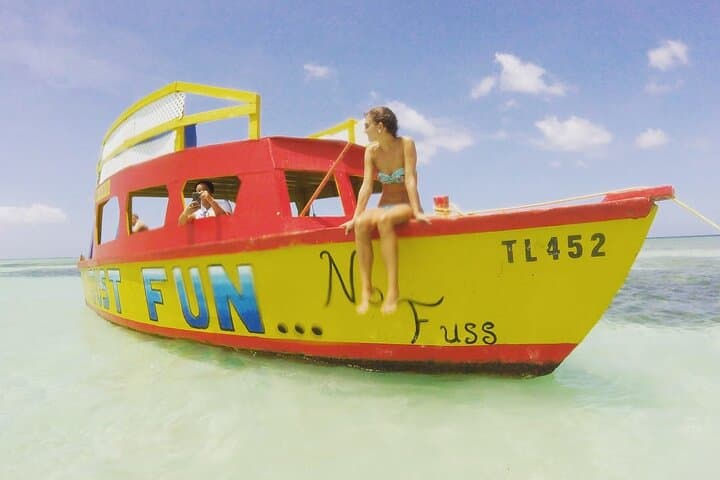
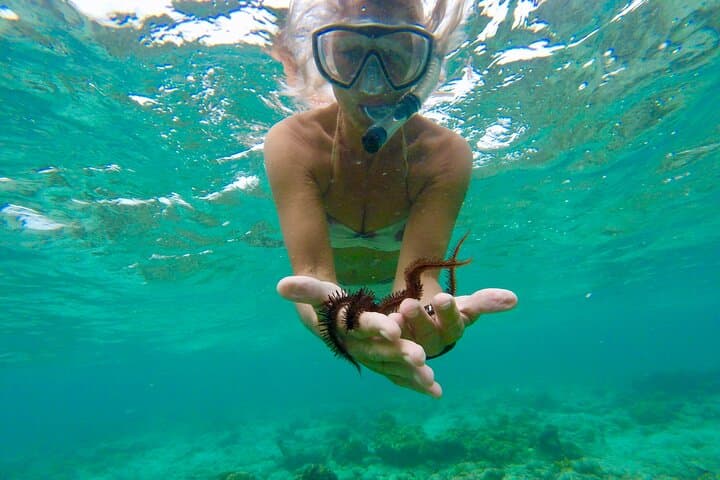
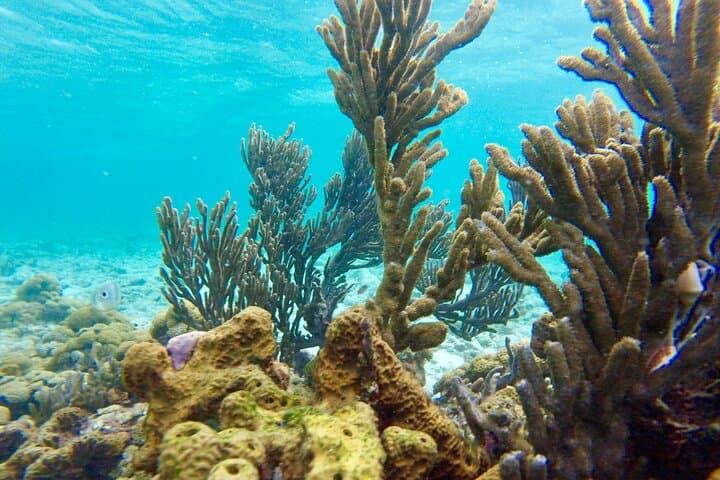
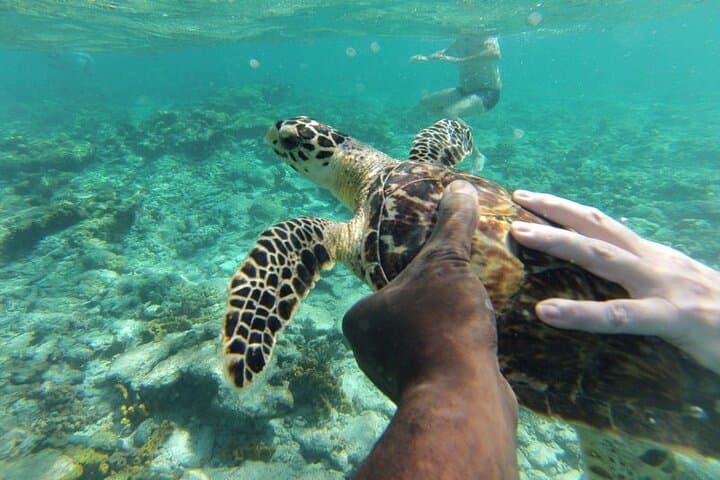
The boat slips free of the Buccoo jetty and the sound of engines folds into the shallow roar of the reef. Salt air presses cool against your face as the hull cuts a ribbon through turquoise water; below, the ocean floor moves like a living mosaic. The glass-bottom panels frame the reef as if you’re peering through a porthole into another world — staghorn coral columns stand like underwater trees and parrotfish forage the algae, bright as a painter’s palette.
The boat slips free of the Buccoo jetty and the sound of engines folds into the shallow roar of the reef. Salt air presses cool against your face as the hull cuts a ribbon through turquoise water; below, the ocean floor moves like a living mosaic. The glass-bottom panels frame the reef as if you’re peering through a porthole into another world — staghorn coral columns stand like underwater trees and parrotfish forage the algae, bright as a painter’s palette.
Buccoo Reef and the adjoining Bon Accord Lagoon sit on Tobago’s southwest coast, a reef system Jacques Cousteau once praised for its richness. The reef arc encloses shallow lagoons and sandbanks, including the famous Nylon Pool, a waist‑deep sandbar where the sea turns opalescent and dares you to wade in. Geologically, the reef is a carbonate structure built over millennia; waves and currents have shaped the sandbanks that form the shallow pools and islands offshore.
Beyond geology there’s culture: fishermen from Buccoo village still use traditional knowledge to read currents and spawning seasons, while Pigeon Point and nearby Store Bay are hubs where locals sell fresh snacks and rum punch after a morning on the water. The Marine Park designation protects this fragile place, and guides emphasize low-impact visits — anchor on the sand, not the coral, and use reef-safe sunscreen.
The standard tour is compact and easy: a two-hour loop that stops three times. First, a slow pass over the reef with the glass-bottom viewing and an optional snorkel; second, a calm landing at Nylon Pool for shallow-water photos and a drift; third, a brief stretch at No Man’s Land beach to inspect the immaculate white sand from close up. Onboard you’ll find life‑jackets and a small crew who double as naturalists — they’ll point out species and explain the reef’s seasonal rhythms.
Practical advice: arrive with reef-safe sunscreen and a towel, and wear quick-dry layers and water shoes for the sandbar. If you plan to snorkel, a mask and snorkel you’ve pre-adjusted will save minutes and frustration. Morning trips often offer clearer water for visibility; late afternoon brings warmer light for photos but can stir windier chop.
Accessibility is straightforward for anyone steady on their feet; infants must sit on laps. The operator typically uses a licensed Boston Whaler that carries up to nine passengers, so tours can feel intimate. Bring a waterproof bag for your phone, respect the marine park rules, and consider combining the cruise with time at Pigeon Point to round out a day of sea, sand and local flavor.