THE ADVENTURE COLLECTIVE® · Independent discovery and booking for outdoor travel

Walk the French Quarter after dark with a parapsychologist guide and hear the stories that stitch together New Orleans’ darkest corners—from vampire lore at the Old Ursuline Convent to mob hits behind white-columned mansions. This adults-only, 105-minute tour blends documented history with spine-tingling local lore.
Walk the French Quarter after dark with a parapsychologist guide and hear the stories that stitch together New Orleans’ darkest corners—from vampire lore at the Old Ursuline Convent to mob hits behind white-columned mansions. This adults-only, 105-minute tour blends documented history with spine-tingling local lore.
The lamplight in Dutch Alley flickers like a warning as the group gathers, breath visible in the humid air and the city’s clatter softened by brick walls. Dr. Edward Simon—parapsychologist, raconteur, and the evening’s conductor—counts heads and lowers his voice. You move with him through a French Quarter that refuses to sleep: balconies sag with lace and iron, corners keep secrets, and the river’s low murmur seems always to be listening.
Verified experiences and guided adventures in the surrounding area.
Operated by Spirit Empire Tours · New Orleans, Louisiana
The lamplight in Dutch Alley flickers like a warning as the group gathers, breath visible in the humid air and the city’s clatter softened by brick walls. Dr. Edward Simon—parapsychologist, raconteur, and the evening’s conductor—counts heads and lowers his voice. You move with him through a French Quarter that refuses to sleep: balconies sag with lace and iron, corners keep secrets, and the river’s low murmur seems always to be listening.
This 105-minute adults-only walking tour threads through New Orleans history where myth and fact collide. It pauses at the Old Ursuline Convent to retell the eerie casket-girl legend, then pushes past the white-columned mansion linked to Civil War drama and mafia killings, and halts before the notorious Lalaurie House—where documented abuse and rumor fuel a chill that still draws onlookers after dark.
The city’s stories are anchored in geography. New Orleans sits on the Mississippi’s delta plain—soft soils, sinking ground and an ever-present high water table. Those physical conditions shaped a city of raised homes and above-ground tombs and a culture that learned to live close to water and to death. Yellow fever epidemics, waves of migration, and a complicated Creole and colonial past layered the Quarter with rituals and superstitions that tour narratives lean on: saints and voodoo, patronage and protection, and a long history of public spectacle—Jackson Square once a stage for executions as readily as for celebration.
A storyteller like Simon is less a showman than a guide across thresholds—historical fact, urban legend, and the city’s appetite for the uncanny. Along the way you’ll pass the New Orleans Pharmacy Museum and the childhood haunts of mobland dramas, each doorway a palimpsest of violence and ceremony. The tour doesn’t shy from detail: it asks you to notice architecture, to feel the weight of dates and names, and to decide for yourself whether the air actually carries the dead.
Practicalities are tidy: meet 30 minutes early in Dutch Alley (North Peters Street), bring ID—this is 17+—and be prepared for uneven brick sidewalks and narrow passages. The group size caps at 20; tours run rain-or-shine but may cancel for severe weather. Guides are licensed and the route is wheelchair accessible, but late arrivals cannot be accommodated.
For a sharper night: wear closed-toe shoes, carry water, and bring a small flashlight or phone with a charged battery. Keep questions ready—this is a storytelling tour, not a museum audio track—and let the city’s rough history give the tall tales their teeth. Whether you come for chills or history, this walk hands you New Orleans in close-up: messy, magnificent, and stubbornly alive.
easy.
1.5–2 hours.
Suitable for anyone able to stand and walk for 90–105 minutes at a relaxed city-pace; minimal fitness required.
The tour runs approximately 105 minutes and covers multiple stops in the French Quarter.
No — it is adults-only for ages 17 and up; ID is required at check-in.
It starts in Dutch Alley off North Peters Street; depending on the time slot it ends near the Supreme Courthouse (5 PM) or by the New Orleans Jazz Museum on Frenchmen Street (8 PM).
Yes—guides note the tour as wheelchair accessible, though some narrow passages and uneven brick may require attention.
No admissions are included; the experience is a walking tour with stops outside historic sites and museums.
Full refunds are available if you cancel at least 24 hours before departure; tours may also cancel for severe weather or low enrollment.
The French Quarter’s layered history includes colonial French and Spanish rule, major Yellow Fever epidemics, and a Creole culture that shaped the city’s rituals and architecture.
Historic preservation is active here—stick to sidewalks, respect private property and restoration work, and limit flash photography in sensitive areas to minimize impact.
Spirit Empire Tours operates guided outdoor trips and adventures with an emphasis on safety, stewardship, and memorable experiences.

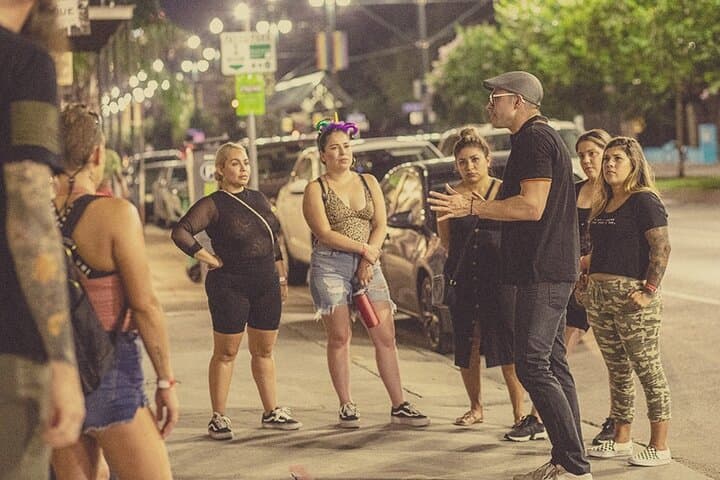
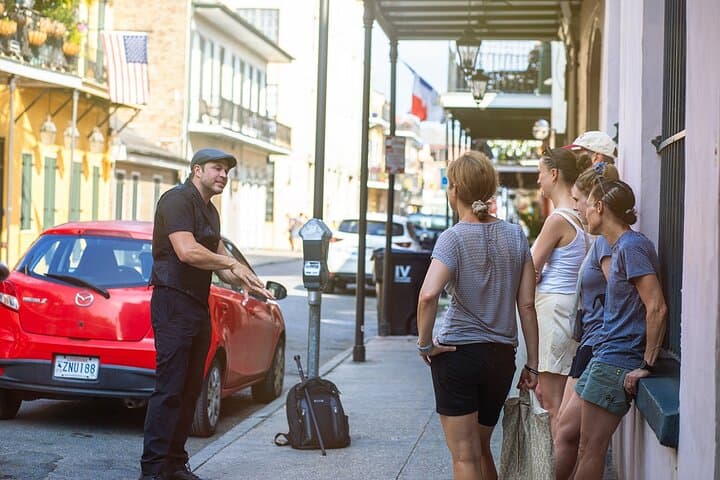
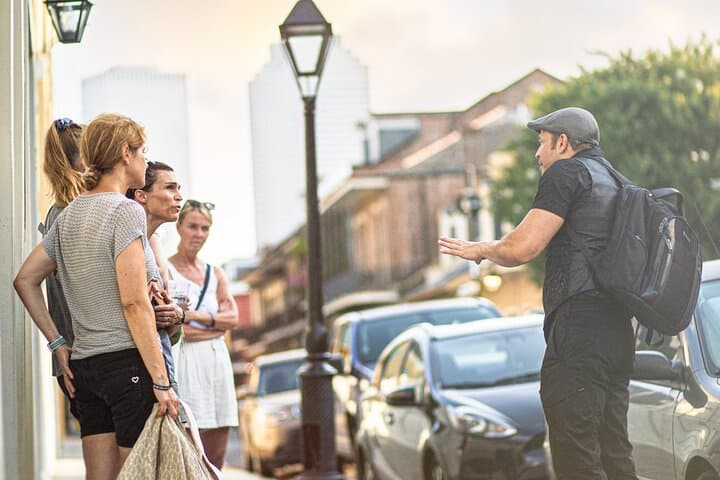
The lamplight in Dutch Alley flickers like a warning as the group gathers, breath visible in the humid air and the city’s clatter softened by brick walls. Dr. Edward Simon—parapsychologist, raconteur, and the evening’s conductor—counts heads and lowers his voice. You move with him through a French Quarter that refuses to sleep: balconies sag with lace and iron, corners keep secrets, and the river’s low murmur seems always to be listening.
The lamplight in Dutch Alley flickers like a warning as the group gathers, breath visible in the humid air and the city’s clatter softened by brick walls. Dr. Edward Simon—parapsychologist, raconteur, and the evening’s conductor—counts heads and lowers his voice. You move with him through a French Quarter that refuses to sleep: balconies sag with lace and iron, corners keep secrets, and the river’s low murmur seems always to be listening.
This 105-minute adults-only walking tour threads through New Orleans history where myth and fact collide. It pauses at the Old Ursuline Convent to retell the eerie casket-girl legend, then pushes past the white-columned mansion linked to Civil War drama and mafia killings, and halts before the notorious Lalaurie House—where documented abuse and rumor fuel a chill that still draws onlookers after dark.
The city’s stories are anchored in geography. New Orleans sits on the Mississippi’s delta plain—soft soils, sinking ground and an ever-present high water table. Those physical conditions shaped a city of raised homes and above-ground tombs and a culture that learned to live close to water and to death. Yellow fever epidemics, waves of migration, and a complicated Creole and colonial past layered the Quarter with rituals and superstitions that tour narratives lean on: saints and voodoo, patronage and protection, and a long history of public spectacle—Jackson Square once a stage for executions as readily as for celebration.
A storyteller like Simon is less a showman than a guide across thresholds—historical fact, urban legend, and the city’s appetite for the uncanny. Along the way you’ll pass the New Orleans Pharmacy Museum and the childhood haunts of mobland dramas, each doorway a palimpsest of violence and ceremony. The tour doesn’t shy from detail: it asks you to notice architecture, to feel the weight of dates and names, and to decide for yourself whether the air actually carries the dead.
Practicalities are tidy: meet 30 minutes early in Dutch Alley (North Peters Street), bring ID—this is 17+—and be prepared for uneven brick sidewalks and narrow passages. The group size caps at 20; tours run rain-or-shine but may cancel for severe weather. Guides are licensed and the route is wheelchair accessible, but late arrivals cannot be accommodated.
For a sharper night: wear closed-toe shoes, carry water, and bring a small flashlight or phone with a charged battery. Keep questions ready—this is a storytelling tour, not a museum audio track—and let the city’s rough history give the tall tales their teeth. Whether you come for chills or history, this walk hands you New Orleans in close-up: messy, magnificent, and stubbornly alive.