THE ADVENTURE COLLECTIVE® · Independent discovery and booking for outdoor travel

Spend a day tracing Tobago’s coasts with a German-speaking guide: historic forts, unspoiled beaches, and a local lunch at Jemma’s Treehouse. This eight-hour island tour mixes cultural context with scenic stops for swimmers and photographers alike.
Spend a day tracing Tobago’s coasts with a German-speaking guide: historic forts, unspoiled beaches, and a local lunch at Jemma’s Treehouse. This eight-hour island tour mixes cultural context with scenic stops for swimmers and photographers alike.
The van hums along a ribbon of coastal road and the island opens like a map pressed into three dimensions — sugar-white beaches folding into mangrove, cliffs scoured by Atlantic surf, and small fishing villages where laundry snaps in trade-wind rhythm. On this German-speaking island tour you watch Tobago’s edges pass by: a spit of sand that dares the sea, a colonial fort watching over a harbor, a market stall where cassava and plantain are weighed by hand.
Verified experiences and guided adventures in the surrounding area.
Operated by TobagoTours · Scarborough, Tobago
The van hums along a ribbon of coastal road and the island opens like a map pressed into three dimensions — sugar-white beaches folding into mangrove, cliffs scoured by Atlantic surf, and small fishing villages where laundry snaps in trade-wind rhythm. On this German-speaking island tour you watch Tobago’s edges pass by: a spit of sand that dares the sea, a colonial fort watching over a harbor, a market stall where cassava and plantain are weighed by hand.
Tobago’s history reads in stone and shoreline. Fort King George, built by the British in the 18th century, keeps watch over Scarborough with old cannons and rooms that smell faintly of salt and old timber. The island’s geology is a mix of volcanic ridges and coral limestone; the Atlantic coast is rugged, hewn by currents, while the Caribbean side offers shallow reefs and calm bays that have sheltered fishing communities for generations.
Culture is present in small gestures — the cadence of Patois and German on a guided tour, a dance demonstration that starts slow and quickens like the pull of a drum, and the household flavors at Jemma’s Treehouse where a local lunch lays out stewed fish, callaloo, and homemade pepper sauce. Guides frame stories of colonial rivalries and Afro-Caribbean traditions, and point out how Carnival rhythms and fishing rituals have shaped island life.
The day is practical as well as picturesque. Expect multiple stops for beach walks and short view hikes; surfaces are mostly paved or compact dirt, but there are some uneven steps at viewpoints and forts. Bring sun protection and comfortable shoes for short climbs, and plan for photo stops at vantage points rather than long treks. The tour is paced for discovery — you’re driven between highlights and given time to explore villages, heritage sites, and at least one unspoiled beach.
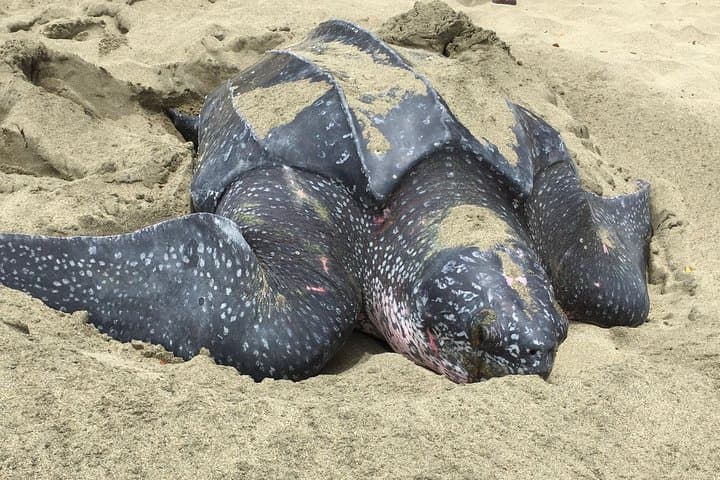
Local insight: visit the quieter Atlantic coves for dramatic sea spray and fewer crowds; on the Caribbean side look for tidal pools and coral gardens. Wildlife commonly seen includes shorebirds and sea turtles swimming close to shore in season; listen for coconut-cracking agoutis in shaded groves.
Practical tips: the tour runs about eight hours with hotel or port pickup available; bring cash for small purchases and tipping. Hydrate in the heat, use reef-safe sunscreen if you plan to swim, and reserve this German-language tour ahead of high season if you want a guide who explains cultural context in your language. Expect an easy-paced day designed to introduce you to Tobago’s landscapes and living traditions — rich in sightlines and stories, modest in exertion.
easy.
8 hours.
Suitable for most fitness levels; involves short walks, steps, and beach access.
Yes — hotel and port pickup/drop-off are provided; confirm your pickup location when booking.
The excursion lasts approximately eight hours, with multiple short stops and a sit-down lunch.
Yes; the operator notes the tour is physically easy and accessible for most ages, though there are steps at some sites.
This specific offering is led in German, with local guides sharing history and cultural context in German.
Lunch and bottled water are included; inform the operator ahead of time about dietary restrictions.
Yes — the tour includes stops at unspoiled beaches suitable for swimming; conditions depend on tides and weather.
Fort King George and Fort James reflect Tobago’s colonial contests between European powers in the 18th and 19th centuries.
Tobago’s reefs and nesting beaches are fragile; choose reef-safe products, avoid stepping on coral, and follow local guidance to protect turtle nesting areas.
TobagoTours operates guided outdoor trips and adventures with an emphasis on safety, stewardship, and memorable experiences.
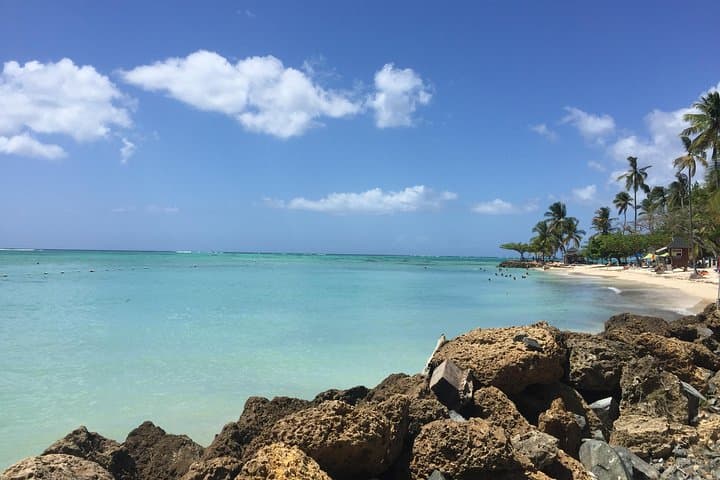
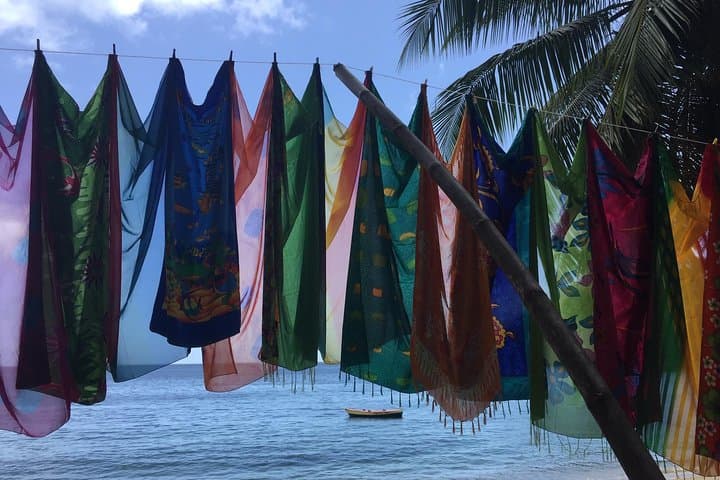
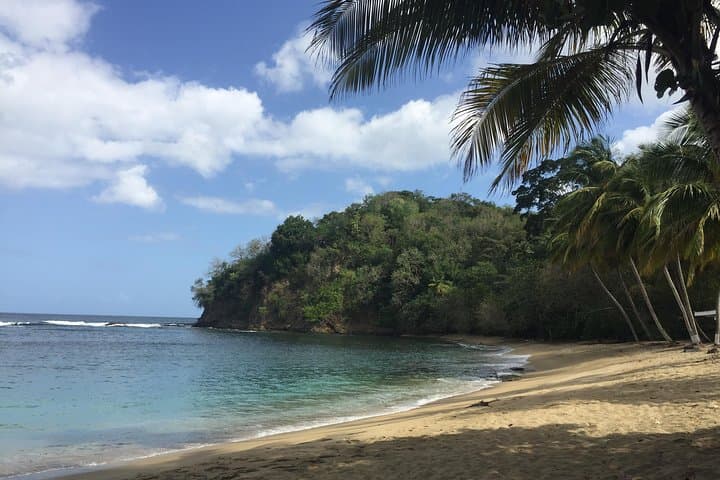
The van hums along a ribbon of coastal road and the island opens like a map pressed into three dimensions — sugar-white beaches folding into mangrove, cliffs scoured by Atlantic surf, and small fishing villages where laundry snaps in trade-wind rhythm. On this German-speaking island tour you watch Tobago’s edges pass by: a spit of sand that dares the sea, a colonial fort watching over a harbor, a market stall where cassava and plantain are weighed by hand.
The van hums along a ribbon of coastal road and the island opens like a map pressed into three dimensions — sugar-white beaches folding into mangrove, cliffs scoured by Atlantic surf, and small fishing villages where laundry snaps in trade-wind rhythm. On this German-speaking island tour you watch Tobago’s edges pass by: a spit of sand that dares the sea, a colonial fort watching over a harbor, a market stall where cassava and plantain are weighed by hand.
Tobago’s history reads in stone and shoreline. Fort King George, built by the British in the 18th century, keeps watch over Scarborough with old cannons and rooms that smell faintly of salt and old timber. The island’s geology is a mix of volcanic ridges and coral limestone; the Atlantic coast is rugged, hewn by currents, while the Caribbean side offers shallow reefs and calm bays that have sheltered fishing communities for generations.
Culture is present in small gestures — the cadence of Patois and German on a guided tour, a dance demonstration that starts slow and quickens like the pull of a drum, and the household flavors at Jemma’s Treehouse where a local lunch lays out stewed fish, callaloo, and homemade pepper sauce. Guides frame stories of colonial rivalries and Afro-Caribbean traditions, and point out how Carnival rhythms and fishing rituals have shaped island life.
The day is practical as well as picturesque. Expect multiple stops for beach walks and short view hikes; surfaces are mostly paved or compact dirt, but there are some uneven steps at viewpoints and forts. Bring sun protection and comfortable shoes for short climbs, and plan for photo stops at vantage points rather than long treks. The tour is paced for discovery — you’re driven between highlights and given time to explore villages, heritage sites, and at least one unspoiled beach.
Local insight: visit the quieter Atlantic coves for dramatic sea spray and fewer crowds; on the Caribbean side look for tidal pools and coral gardens. Wildlife commonly seen includes shorebirds and sea turtles swimming close to shore in season; listen for coconut-cracking agoutis in shaded groves.
Practical tips: the tour runs about eight hours with hotel or port pickup available; bring cash for small purchases and tipping. Hydrate in the heat, use reef-safe sunscreen if you plan to swim, and reserve this German-language tour ahead of high season if you want a guide who explains cultural context in your language. Expect an easy-paced day designed to introduce you to Tobago’s landscapes and living traditions — rich in sightlines and stories, modest in exertion.