THE ADVENTURE COLLECTIVE® · Independent discovery and booking for outdoor travel

Paddle into the Ganga’s pulse on the Shivpuri–NIM Beach run outside Rishikesh. This 2–3 hour rafting trip blends solid Grade III–IV rapids with Himalayan foothill scenery and local riverside culture—ideal for travelers who want high-energy adventure with practical, safety-first guidance.
Paddle into the Ganga’s pulse on the Shivpuri–NIM Beach run outside Rishikesh. This 2–3 hour rafting trip blends solid Grade III–IV rapids with Himalayan foothill scenery and local riverside culture—ideal for travelers who want high-energy adventure with practical, safety-first guidance.
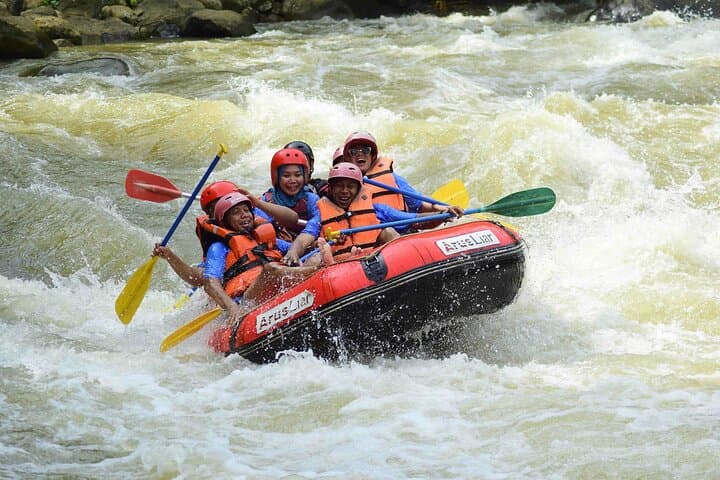
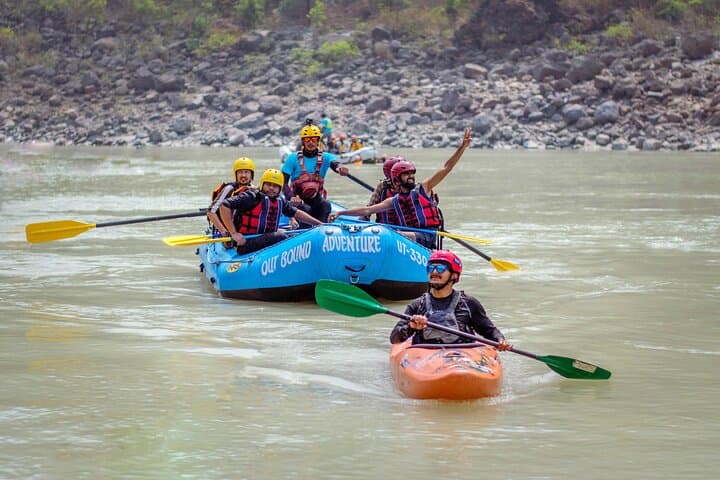
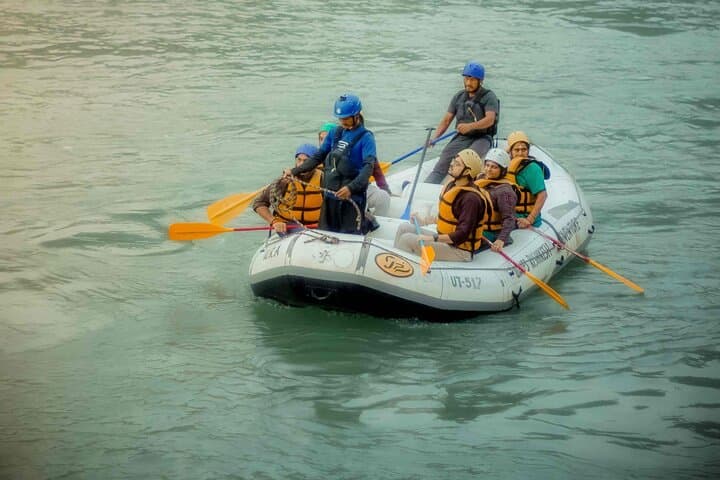
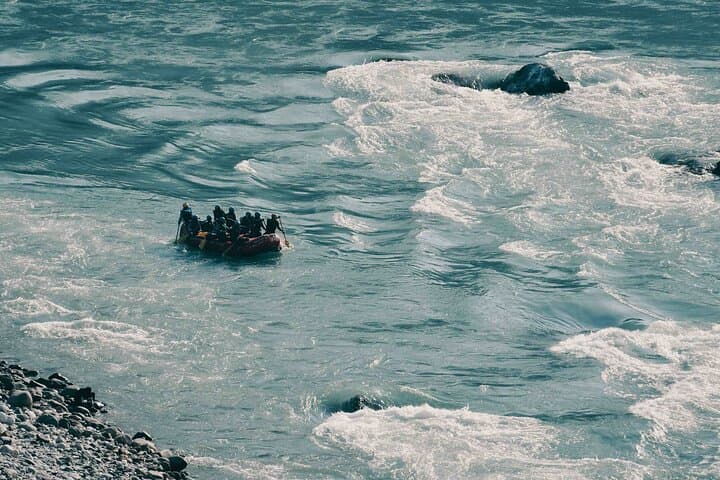
The raft rocks as the Ganga widens, spray flashing like cold silver against the foothills. Guides shout commands over the rumble of water; a practiced pull on the right, a brace on the left, and the boat negotiates a churning throat of foam called Roller Coaster. For three hours on the Shivpuri–NIM Beach run, the river does the navigating, daring each paddler to commit and trust the team.
Verified experiences and guided adventures in the surrounding area.
Operated by Sun Leisure World India · Rishikesh, Uttarakhand
The raft rocks as the Ganga widens, spray flashing like cold silver against the foothills. Guides shout commands over the rumble of water; a practiced pull on the right, a brace on the left, and the boat negotiates a churning throat of foam called Roller Coaster. For three hours on the Shivpuri–NIM Beach run, the river does the navigating, daring each paddler to commit and trust the team.
Rishikesh is more than a launch point — the town sits where the Himalaya sheds height and the Ganga moves from steep channels to broader plains. The river has long been sacred: pilgrims and sages have traced its banks for millennia, and the same water that feeds centuries of ritual now provides some of India’s most accessible whitewater. Geologically, the rapids are born of sudden grade changes and boulders swept from the upper ranges; you’ll feel that energy in the classic Grade III–IV waves between Shivpuri and Ram Jhula.
Culturally, the trip stitches together two moods: the town’s yoga mats and ashrams overlook an environment still animated by local life — ghats, temples, and the occasional heron. Guides often weave short local stories into their briefings, explaining river names and pointing out old ferry crossings and isolated shrines that indicate centuries of human-river interaction.
Practically speaking, the standard shared run meets at the rafting camp in Shivpuri, roughly 20–30 minutes by road from central Rishikesh. The full excursion lasts about 2–3 hours on water and covers roughly 12–16 km, depending on the exact put-in. Expect safety briefings, fitted helmets and life jackets, and an instructor who will manage commands and emergency protocols. Children under 14, pregnant people, and those with serious cardiac or spinal conditions are not allowed on the stretch; operators follow Uttarakhand tourism guidelines closely.
Timing matters: early mornings calm the air and sharpen the light, while late afternoons give long shadows across the hills. In monsoon months the river can swell and operators may suspend runs for safety. Wear quick-dry clothing, secure footwear, and stash valuables in a dry bag. Hydrate before you launch; the adrenaline can mask thirst. If you want photos, plan with your guide — rapid runs offer a few predictable action zones (Roller Coaster, Golf Course, Double Trouble) but the best portraits often come at the calmer stretches and at the NIM Beach exit.
This is accessible whitewater: it asks for no technical skills beyond listening and paddling, but it rewards teamwork and focus. For travelers who want a fast, tangible way to read the Himalaya from river level, the Shivpuri to NIM Beach run is a constructive collision of nature and culture—wet, loud, and unmistakably alive.
moderate.
2–3 hours.
Moderate fitness: able to paddle for short bursts, climb in/out of raft, and follow safety instructions.
Expect roughly 12–16 km on the river and about 2–3 hours on the water depending on flow and boat traffic.
Children under 14, pregnant travelers, and those with serious heart or spinal conditions are not permitted; inform the operator of any medical issues.
Most rapids on this run are Class III–IV—exciting but manageable with an experienced guide and proper safety gear.
Meeting is usually at the Shivpuri camp; many operators offer optional pickup for an extra fee—confirm when booking.
In winter months mornings can be chilly; operators may provide wetsuits on request but quick-dry layers work well most of the year.
Guides typically speak Hindi and basic English; ask ahead if you need a guide fluent in another language.
Rishikesh has been an important Hindu pilgrimage town for centuries; rafting emerged as commercial tourism in the late 20th century, tying adventure to spiritual travel.
Operators emphasize 'leave no trace' on river beaches and many discourage single-use plastics; use biodegradable sun protection to protect aquatic life.
Sun Leisure World India operates guided outdoor trips and adventures with an emphasis on safety, stewardship, and memorable experiences.
The raft rocks as the Ganga widens, spray flashing like cold silver against the foothills. Guides shout commands over the rumble of water; a practiced pull on the right, a brace on the left, and the boat negotiates a churning throat of foam called Roller Coaster. For three hours on the Shivpuri–NIM Beach run, the river does the navigating, daring each paddler to commit and trust the team.
The raft rocks as the Ganga widens, spray flashing like cold silver against the foothills. Guides shout commands over the rumble of water; a practiced pull on the right, a brace on the left, and the boat negotiates a churning throat of foam called Roller Coaster. For three hours on the Shivpuri–NIM Beach run, the river does the navigating, daring each paddler to commit and trust the team.
Rishikesh is more than a launch point — the town sits where the Himalaya sheds height and the Ganga moves from steep channels to broader plains. The river has long been sacred: pilgrims and sages have traced its banks for millennia, and the same water that feeds centuries of ritual now provides some of India’s most accessible whitewater. Geologically, the rapids are born of sudden grade changes and boulders swept from the upper ranges; you’ll feel that energy in the classic Grade III–IV waves between Shivpuri and Ram Jhula.
Culturally, the trip stitches together two moods: the town’s yoga mats and ashrams overlook an environment still animated by local life — ghats, temples, and the occasional heron. Guides often weave short local stories into their briefings, explaining river names and pointing out old ferry crossings and isolated shrines that indicate centuries of human-river interaction.
Practically speaking, the standard shared run meets at the rafting camp in Shivpuri, roughly 20–30 minutes by road from central Rishikesh. The full excursion lasts about 2–3 hours on water and covers roughly 12–16 km, depending on the exact put-in. Expect safety briefings, fitted helmets and life jackets, and an instructor who will manage commands and emergency protocols. Children under 14, pregnant people, and those with serious cardiac or spinal conditions are not allowed on the stretch; operators follow Uttarakhand tourism guidelines closely.
Timing matters: early mornings calm the air and sharpen the light, while late afternoons give long shadows across the hills. In monsoon months the river can swell and operators may suspend runs for safety. Wear quick-dry clothing, secure footwear, and stash valuables in a dry bag. Hydrate before you launch; the adrenaline can mask thirst. If you want photos, plan with your guide — rapid runs offer a few predictable action zones (Roller Coaster, Golf Course, Double Trouble) but the best portraits often come at the calmer stretches and at the NIM Beach exit.
This is accessible whitewater: it asks for no technical skills beyond listening and paddling, but it rewards teamwork and focus. For travelers who want a fast, tangible way to read the Himalaya from river level, the Shivpuri to NIM Beach run is a constructive collision of nature and culture—wet, loud, and unmistakably alive.