THE ADVENTURE COLLECTIVE® · Independent discovery and booking for outdoor travel

Ride a classic Yugo from Zagreb to the luminous tiers of Plitvice Lakes, then step into the abandoned tunnels and runways of Željava Airbase. This full-day private tour blends geology, Cold War history and hands-on exploration—perfect for curious travelers ready for a long, varied day.
Ride a classic Yugo from Zagreb to the luminous tiers of Plitvice Lakes, then step into the abandoned tunnels and runways of Željava Airbase. This full-day private tour blends geology, Cold War history and hands-on exploration—perfect for curious travelers ready for a long, varied day.
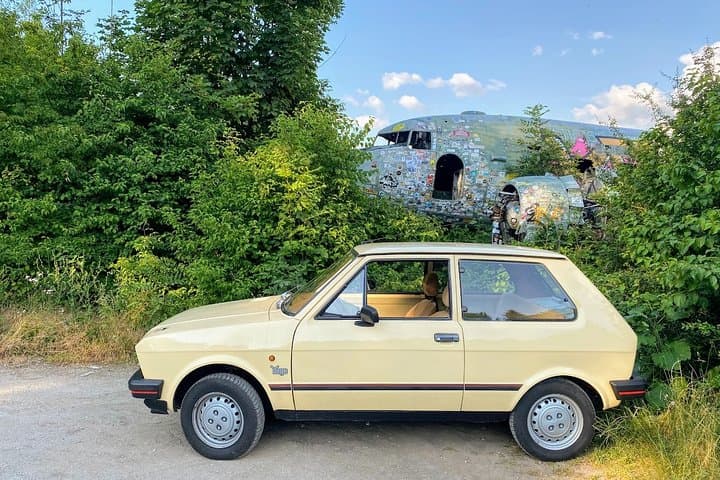
You climb into a weathered Yugo that hums like a relic with purpose—its leather seats warm from the morning sun—and the road unfolds toward a landscape that keeps changing its mood. Pines lean over the asphalt as the car eats up the hours; the driver-guide, part storyteller, part mechanic, points out low peaks and river valleys that once shaped partisan routes. Two hours from Zagreb, the Yugo slows and the air sharpens: limestone cliffs, moss-dark rocks, and the bright, impossible blues of Plitvice’s tiers.
Verified experiences and guided adventures in the surrounding area.
Operated by YUGOcar adventure · Plitvička Jezera, Lika-Senj County
You climb into a weathered Yugo that hums like a relic with purpose—its leather seats warm from the morning sun—and the road unfolds toward a landscape that keeps changing its mood. Pines lean over the asphalt as the car eats up the hours; the driver-guide, part storyteller, part mechanic, points out low peaks and river valleys that once shaped partisan routes. Two hours from Zagreb, the Yugo slows and the air sharpens: limestone cliffs, moss-dark rocks, and the bright, impossible blues of Plitvice’s tiers.
The walk begins with wooden boardwalks skimming across lakes that refuse to stay still. Water dares you forward, spilling over shelves of tufa into curtains of spray. The route covers Lower and Upper lakes—about two hours of walking combined with a short boat crossing and a park shuttle—offering views from canyon rims and intimate corridors beneath trees. The geology here is active: travertine barriers build and shift, creating a living staircase of basins that scientists and visitors still marvel at.
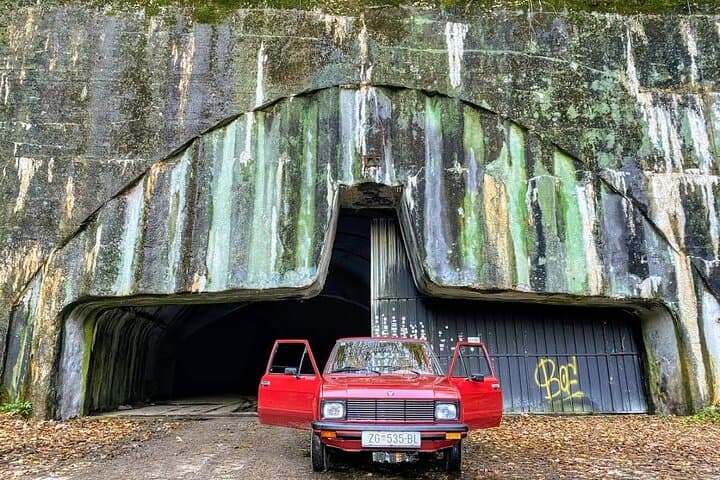
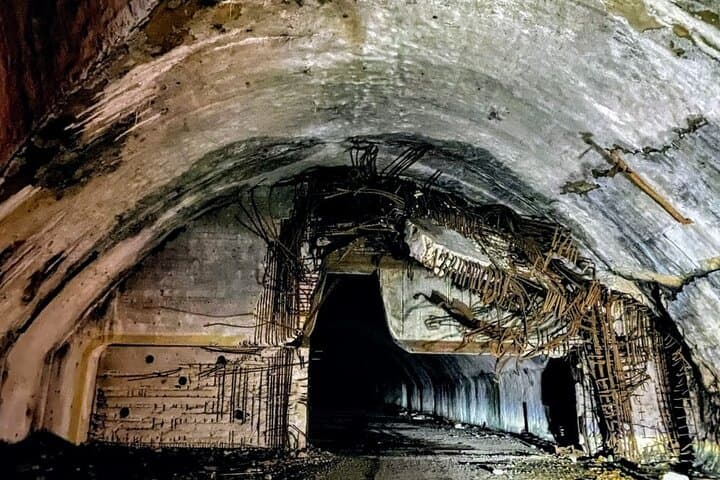
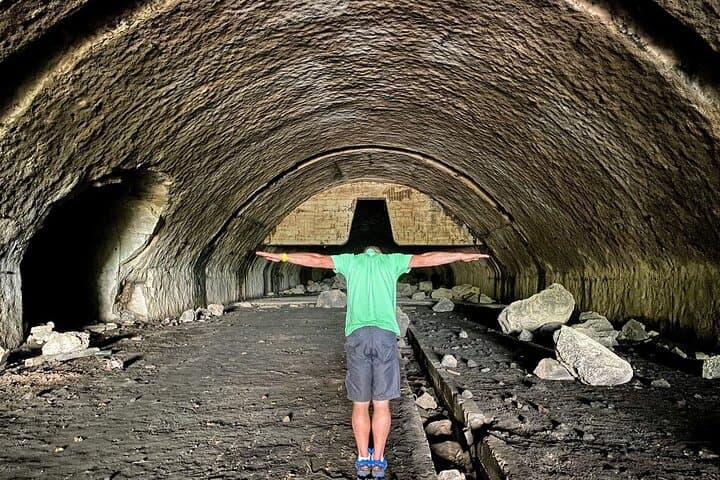
After a park lunch (not included), the day pivots. A thirty-minute drive takes you to Željava—Object 505—the Yugoslav airbase that looks like a set from a Cold War film. Corridors burrow into Bakony limestone; you’ll walk through vast tunnels where MIGs were once hidden, climb the skeleton of a Dakota, and follow the runways where jet roars have long since faded. The site is eerie and electric: concrete mouths open to the sky, graffiti maps onto military architecture, and history feels tactile under your palms.
Culturally, this route threads the Lika region’s rural pace with 20th-century military engineering. Guides share stories of the Yugoslav era and local life—how communities adapted to the park’s protections and the abandoned base’s shadow. Conservation at Plitvice is strict: boardwalks protect tufa formation, and visitor flow is managed to reduce erosion—respect these limits.
Practicalities: expect a 9–10 hour day with moderate walking; bring sturdy waterproof footwear, quick-dry layers, and a refillable water bottle (bottled water is provided). Park admission and the boat ride are included. Željava’s tunnels are uneven and unlit in places—carry a headlamp and watch your step. Wear sun protection for exposed viewpoints and plan for variable weather; mountain air can chill even after a hot drive.
This is a tour for travelers who like contrasts: serene karst lakes paired with Cold War infrastructure, a vintage car ferrying you through both. It’s part nature immersion, part living-history lesson, and wholly an experience that rewards curiosity and sensible preparation.
moderate.
9–10 hours.
Moderate fitness: ability to walk 2–4 miles on uneven terrain and manage stairs and short climbs.
Yes—admission to Plitvice National Park and the short boat ride are included in the tour price.
Expect roughly 2 hours of walking on boardwalks, trails and stairs, spread between the Lower and Upper lakes with shuttle and boat segments.
Driving the Yugo is handled by the guide; guests typically ride as passengers, though you may get short supervised opportunities depending on guide policy.
Guides lead the tunnel visits; while accessible, tunnels are uneven and partially unlit—wear sturdy shoes and follow the guide’s instructions.
No—lunch is not included. There are cafés inside the park and options near the entrance, but bringing snacks is recommended.
Children who can manage moderate walking are welcome; the tour is not recommended for pregnant travelers or those with serious cardiovascular conditions.
Plitvice has been protected since 1949 and was one of the first national parks in Southeast Europe; Željava was a major Cold War underground airbase completed in the 1960s.
Plitvice enforces strict trail discipline to protect active travertine formation; visitors should minimize plastic waste and stay on paths to preserve delicate habitats.
YUGOcar adventure operates guided outdoor trips and adventures with an emphasis on safety, stewardship, and memorable experiences.
You climb into a weathered Yugo that hums like a relic with purpose—its leather seats warm from the morning sun—and the road unfolds toward a landscape that keeps changing its mood. Pines lean over the asphalt as the car eats up the hours; the driver-guide, part storyteller, part mechanic, points out low peaks and river valleys that once shaped partisan routes. Two hours from Zagreb, the Yugo slows and the air sharpens: limestone cliffs, moss-dark rocks, and the bright, impossible blues of Plitvice’s tiers.
You climb into a weathered Yugo that hums like a relic with purpose—its leather seats warm from the morning sun—and the road unfolds toward a landscape that keeps changing its mood. Pines lean over the asphalt as the car eats up the hours; the driver-guide, part storyteller, part mechanic, points out low peaks and river valleys that once shaped partisan routes. Two hours from Zagreb, the Yugo slows and the air sharpens: limestone cliffs, moss-dark rocks, and the bright, impossible blues of Plitvice’s tiers.
The walk begins with wooden boardwalks skimming across lakes that refuse to stay still. Water dares you forward, spilling over shelves of tufa into curtains of spray. The route covers Lower and Upper lakes—about two hours of walking combined with a short boat crossing and a park shuttle—offering views from canyon rims and intimate corridors beneath trees. The geology here is active: travertine barriers build and shift, creating a living staircase of basins that scientists and visitors still marvel at.
After a park lunch (not included), the day pivots. A thirty-minute drive takes you to Željava—Object 505—the Yugoslav airbase that looks like a set from a Cold War film. Corridors burrow into Bakony limestone; you’ll walk through vast tunnels where MIGs were once hidden, climb the skeleton of a Dakota, and follow the runways where jet roars have long since faded. The site is eerie and electric: concrete mouths open to the sky, graffiti maps onto military architecture, and history feels tactile under your palms.
Culturally, this route threads the Lika region’s rural pace with 20th-century military engineering. Guides share stories of the Yugoslav era and local life—how communities adapted to the park’s protections and the abandoned base’s shadow. Conservation at Plitvice is strict: boardwalks protect tufa formation, and visitor flow is managed to reduce erosion—respect these limits.
Practicalities: expect a 9–10 hour day with moderate walking; bring sturdy waterproof footwear, quick-dry layers, and a refillable water bottle (bottled water is provided). Park admission and the boat ride are included. Željava’s tunnels are uneven and unlit in places—carry a headlamp and watch your step. Wear sun protection for exposed viewpoints and plan for variable weather; mountain air can chill even after a hot drive.
This is a tour for travelers who like contrasts: serene karst lakes paired with Cold War infrastructure, a vintage car ferrying you through both. It’s part nature immersion, part living-history lesson, and wholly an experience that rewards curiosity and sensible preparation.