THE ADVENTURE COLLECTIVE® · Independent discovery and booking for outdoor travel

A single day that stitches together humpback whale encounters, a powder-white island beach and a horseback approach to a dramatic waterfall—this Punta Cana departure delivers marine spectacle and inland adventure. Read on for what to expect, what to pack and how to time the trip.
A single day that stitches together humpback whale encounters, a powder-white island beach and a horseback approach to a dramatic waterfall—this Punta Cana departure delivers marine spectacle and inland adventure. Read on for what to expect, what to pack and how to time the trip.
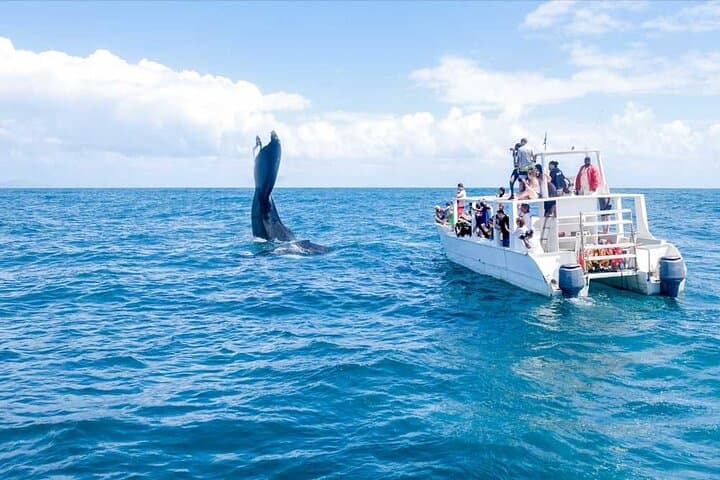
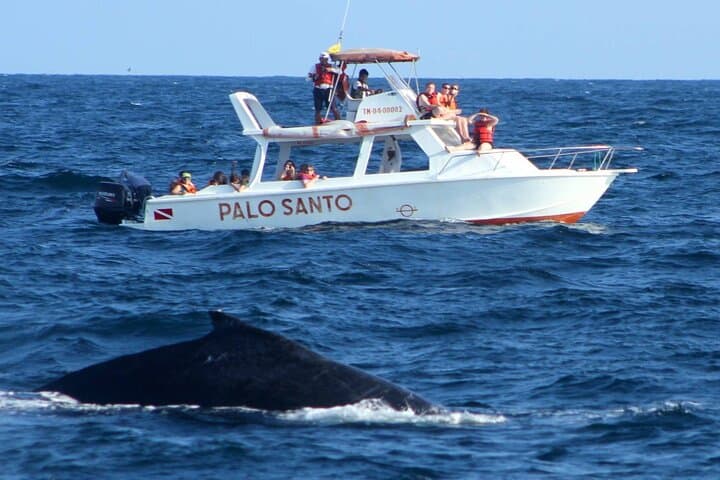
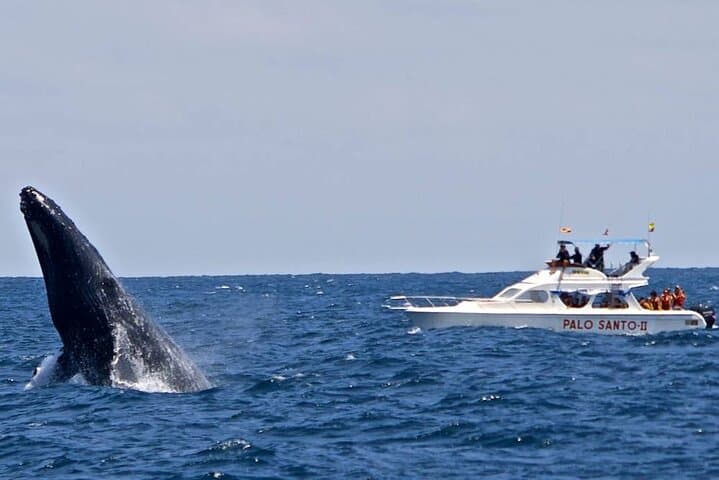
The boat slips away from the Punta Cana coastline and the Dominican Republic opens like a map of blue—first a narrow ribbon of turquoise, then the wide basin of Samaná Bay where sound travels differently and the sea seems to be listening. Guides scan the horizon with practiced calm. Then, as if answering a call, a dark back arcs and a massive fluke cuts the air: the humpback makes itself known.
Verified experiences and guided adventures in the surrounding area.
Operated by Oasis Humpack RD · Samaná, Samaná Province
The boat slips away from the Punta Cana coastline and the Dominican Republic opens like a map of blue—first a narrow ribbon of turquoise, then the wide basin of Samaná Bay where sound travels differently and the sea seems to be listening. Guides scan the horizon with practiced calm. Then, as if answering a call, a dark back arcs and a massive fluke cuts the air: the humpback makes itself known.
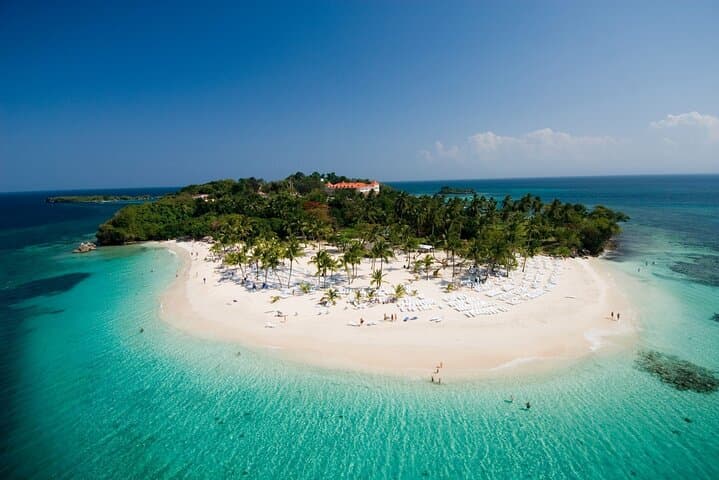
This is a five-in-one day that moves fast but feels deliberate. The centerpiece is the whale encounter. Between January and March the male humpbacks congregate here to court and display; their songs, low and long, carry through the hull of the boat and through the ribs of anyone paying attention. The trip that follows is almost cinematic: a stop at Cayo Levantado—popularly called Bacardi Island—where palms lean toward immaculate white sand and the Caribbean keeps its promise of warm water and visibility; then a transfer inland for a safari drive, a lunch at a working Dominican ranch and a horseback approach to El Limón Waterfall, which drops roughly 35–45 meters into a basalt-worn pool.
Geology is unobtrusive but present. The Samaná peninsula is an uplifted slice of limestone and igneous basement rock; coastal currents carve the bays and nourish the coral shelves where whales surface nearby. Culturally, Samaná carries layers: Taino heritage, colonial trade routes and a poignant 19th-century chapter when freed African Americans established communities here—the Samaná Americans—adding to the area's distinct music and cuisine.
Practicalities matter on a full-day circuit. The marine portion averages two hours; expect boat motion and bring seasickness remedies if you’re sensitive. On Cayo Levantado pack reef-safe sunscreen and a quick-dry towel—the beach is crowded on peak days. The inland leg includes an easy horseback ride (roughly 30 minutes) and a short trek to the waterfall pool; saddle time is gentle but bring closed-toe shoes for stability and protection.
Tour operators follow whale-watching approach rules—keep distance, minimize engine noise and obey crew direction—so sightings aren’t guaranteed but encounters are frequent in season. Weather can flip from flat calm to brisk wind, so layer a windbreaker over swimwear and stay hydrated: Dominican sun will ask questions.
For travelers wanting substance with their postcard moments, this loop delivers marine spectacle, a Caribbean beach interlude and a green, loud finish at El Limón. It’s an 8-hour handshake with Samaná: loud, wet, rooted in local life and worth the early pickup from Punta Cana.
moderate.
8 hours.
Suitable for average fitness: requires boat stability, a short horseback ride and a brief hike to the waterfall.
Peak whale season runs January through March when humpback numbers and surface displays are highest.
The operator provides round-trip transport—total excursion time is about eight hours; onboard time in Samaná Bay for whales is roughly two hours.
Yes, visitors commonly swim in the plunge pool; check with guides for current safety conditions and avoid strong currents.
Yes—infants must sit on an adult’s lap and the itinerary is suitable for most ages, but check with the operator about specific child policies.
No sighting can be guaranteed, but Samaná Bay has high encounter rates during season and trained crews maximize viewing opportunities while respecting regulations.
Tipping is customary for good service—consider a gratuity for boat crew and local guides after the excursion.
Samaná has a notable 19th-century history as a settlement area for freed African Americans (the Samaná Americans), shaping local cultural traditions and language.
Whale-watching here is regulated—operators follow approach rules to reduce stress on whales; avoid single-use plastics and choose companies that support local conservation.
Oasis Humpack RD operates guided outdoor trips and adventures with an emphasis on safety, stewardship, and memorable experiences.
The boat slips away from the Punta Cana coastline and the Dominican Republic opens like a map of blue—first a narrow ribbon of turquoise, then the wide basin of Samaná Bay where sound travels differently and the sea seems to be listening. Guides scan the horizon with practiced calm. Then, as if answering a call, a dark back arcs and a massive fluke cuts the air: the humpback makes itself known.
The boat slips away from the Punta Cana coastline and the Dominican Republic opens like a map of blue—first a narrow ribbon of turquoise, then the wide basin of Samaná Bay where sound travels differently and the sea seems to be listening. Guides scan the horizon with practiced calm. Then, as if answering a call, a dark back arcs and a massive fluke cuts the air: the humpback makes itself known.
This is a five-in-one day that moves fast but feels deliberate. The centerpiece is the whale encounter. Between January and March the male humpbacks congregate here to court and display; their songs, low and long, carry through the hull of the boat and through the ribs of anyone paying attention. The trip that follows is almost cinematic: a stop at Cayo Levantado—popularly called Bacardi Island—where palms lean toward immaculate white sand and the Caribbean keeps its promise of warm water and visibility; then a transfer inland for a safari drive, a lunch at a working Dominican ranch and a horseback approach to El Limón Waterfall, which drops roughly 35–45 meters into a basalt-worn pool.
Geology is unobtrusive but present. The Samaná peninsula is an uplifted slice of limestone and igneous basement rock; coastal currents carve the bays and nourish the coral shelves where whales surface nearby. Culturally, Samaná carries layers: Taino heritage, colonial trade routes and a poignant 19th-century chapter when freed African Americans established communities here—the Samaná Americans—adding to the area's distinct music and cuisine.
Practicalities matter on a full-day circuit. The marine portion averages two hours; expect boat motion and bring seasickness remedies if you’re sensitive. On Cayo Levantado pack reef-safe sunscreen and a quick-dry towel—the beach is crowded on peak days. The inland leg includes an easy horseback ride (roughly 30 minutes) and a short trek to the waterfall pool; saddle time is gentle but bring closed-toe shoes for stability and protection.
Tour operators follow whale-watching approach rules—keep distance, minimize engine noise and obey crew direction—so sightings aren’t guaranteed but encounters are frequent in season. Weather can flip from flat calm to brisk wind, so layer a windbreaker over swimwear and stay hydrated: Dominican sun will ask questions.
For travelers wanting substance with their postcard moments, this loop delivers marine spectacle, a Caribbean beach interlude and a green, loud finish at El Limón. It’s an 8-hour handshake with Samaná: loud, wet, rooted in local life and worth the early pickup from Punta Cana.