THE ADVENTURE COLLECTIVE® · Independent discovery and booking for outdoor travel

Spend a full day tracing Sedona’s red-rock story: a visit to the Chapel of the Holy Cross, browsing Tlaquepaque’s galleries, standing at a vortex, and cooling off in Oak Creek Canyon. This guided tour combines geology, local culture, and practical logistics for a compact taste of the Verde Valley.
Spend a full day tracing Sedona’s red-rock story: a visit to the Chapel of the Holy Cross, browsing Tlaquepaque’s galleries, standing at a vortex, and cooling off in Oak Creek Canyon. This guided tour combines geology, local culture, and practical logistics for a compact taste of the Verde Valley.
The van peels away from Scottsdale under a sun that already promises heat, and the road opens to a wall of red that seems to rise out of the horizon with slow, deliberate intent. Juniper perfumes the air; the driver’s narration threads history into the landscape as the terrain changes from suburbia to sweeping sandstone monoliths. After roughly two hours you arrive at the Chapel of the Holy Cross, a narrow concrete cross cut into the butte, where wind and altitude reframe the city below.
Verified experiences and guided adventures in the surrounding area.
Operated by Starlite Adventures · Sedona, Arizona
The van peels away from Scottsdale under a sun that already promises heat, and the road opens to a wall of red that seems to rise out of the horizon with slow, deliberate intent. Juniper perfumes the air; the driver’s narration threads history into the landscape as the terrain changes from suburbia to sweeping sandstone monoliths. After roughly two hours you arrive at the Chapel of the Holy Cross, a narrow concrete cross cut into the butte, where wind and altitude reframe the city below.
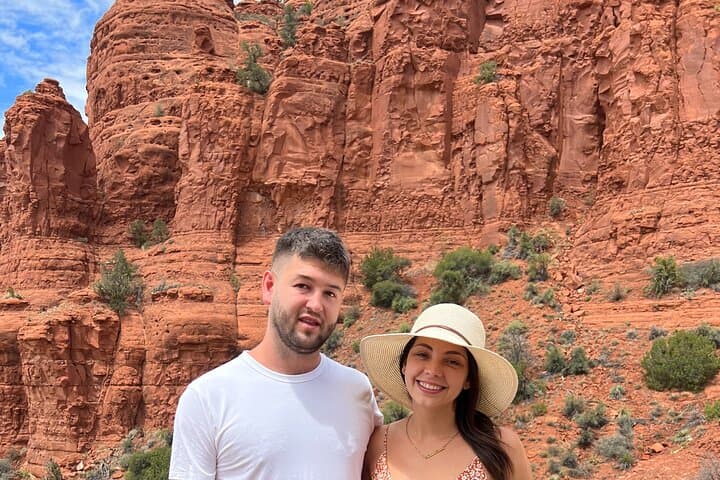
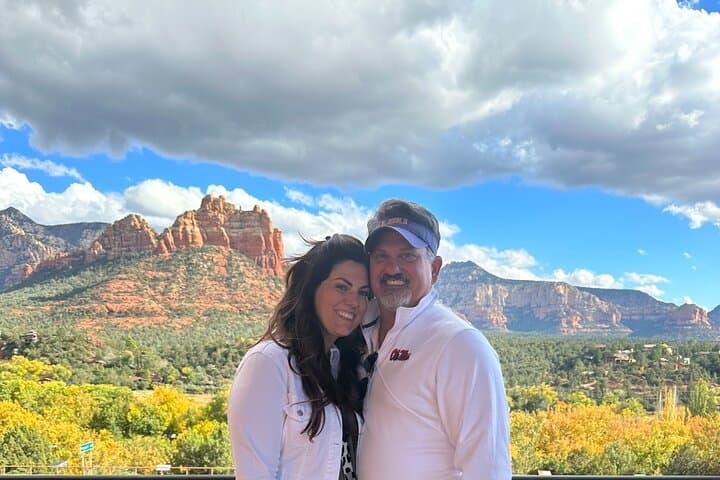
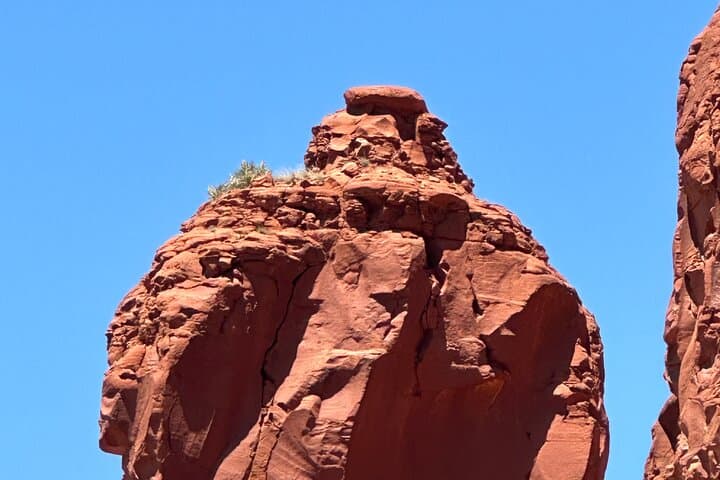
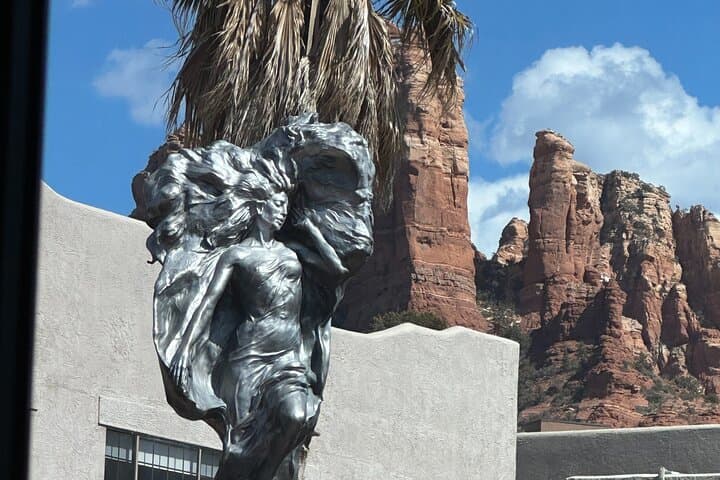
Sedona’s red rocks are not showpieces but pages of deep time. The sandstone here—part of the Schnebly Hill Formation—holds the rust-colored iron that oxidized over millions of years. Indigenous peoples, including the Yavapai and Apache, read these rocks as landmarks long before Hollywood filmed Westerns in nearby washes and ridgelines. The tour’s route moves from modern spirituality at the Chapel to the crafted streets of Tlaquepaque: a compact, Spanish-style arts village where galleries trade modern ceramics and bronze for stories about regional culture.
You’ll visit a vortex site, one of several spots where visitors report a charged, wind-swept sense of uplift or grounding. Scientists point to geology and microclimate; many visitors walk away with an unquantifiable sense of calm. Oak Creek Canyon provides a softer counterpoint—cooler air, cottonwoods, and places where Navajo and Hopi artisans sell silver and turquoise pieces that echo millennia of trade.
The tour is practical and paced: expect about nine hours total, with scheduled stops of about 30–60 minutes at each major point. The operator supplies bottled water and an air-conditioned vehicle; pickup points in Scottsdale are fixed at grocery parking lots. Note there’s a minimum group size to run the shared tour, and private tours are an option for guaranteed departures.
Plan for sun and sudden temperature swings—Sedona sits around 4,350 ft (1,326 m) elevation, so afternoons can be hot and mornings cool. Bring a brimmed hat, sunscreen, and layered clothing if you’re photographing sunrise or lingering into evening. Wear comfortable walking shoes: many stops have short, uneven trails and rocky viewpoints.
Practical timing matters: spring and fall are busiest and most comfortable; summer offers dramatic monsoonal skies but midday heat; winter brings crisp air and occasional dustings of snow that accent the red stone. Camera batteries and a lens hood will pay dividends—sedimentary layers and creek reflections change character every hour.
Ultimately this is a tour built for context—history, geology, and art delivered with enough stops to see, taste, and photograph Sedona without the logistics stress. For a single day that stitches the Chapel, vortex lore, Tlaquepaque shopping, and Oak Creek’s cooling shade into one route, it’s efficient, scenic, and grounded in place.
easy.
9 hours.
Suitable for all fitness levels; involves standing and short walks of 10–30 minutes at stops
Expect roughly 1.5–2 hours each way depending on traffic; the itinerary allows the majority of the day for stops in Sedona.
Bottled water is included; lunch at Tlaquepaque is on your own so you can choose a restaurant or café.
Yes—infants are allowed but must sit on an adult’s lap; strollers are permitted for short walks in marketplace areas.
A vortex refers to a local spot people report feeling energized or centered; experiences vary—some feel nothing, others a marked sense of calm or vertigo.
The tour may be canceled; you’ll be contacted with alternatives, or you can upgrade to a private tour to guarantee departure.
The vehicle is standard coach-style; some stops involve uneven surfaces and steps—contact the operator ahead to discuss specific accessibility needs.
Sedona’s modern identity grew from decades of film production and an influx of artists; the Chapel of the Holy Cross was completed in 1956 and is an architectural landmark set into the red rock.
Water is scarce—stick to designated paths, pack out trash, and avoid touching or removing archaeological artifacts; support local artisans by buying authentic jewelry rather than mass-produced pieces.
Starlite Adventures operates guided outdoor trips and adventures with an emphasis on safety, stewardship, and memorable experiences.
The van peels away from Scottsdale under a sun that already promises heat, and the road opens to a wall of red that seems to rise out of the horizon with slow, deliberate intent. Juniper perfumes the air; the driver’s narration threads history into the landscape as the terrain changes from suburbia to sweeping sandstone monoliths. After roughly two hours you arrive at the Chapel of the Holy Cross, a narrow concrete cross cut into the butte, where wind and altitude reframe the city below.
The van peels away from Scottsdale under a sun that already promises heat, and the road opens to a wall of red that seems to rise out of the horizon with slow, deliberate intent. Juniper perfumes the air; the driver’s narration threads history into the landscape as the terrain changes from suburbia to sweeping sandstone monoliths. After roughly two hours you arrive at the Chapel of the Holy Cross, a narrow concrete cross cut into the butte, where wind and altitude reframe the city below.
Sedona’s red rocks are not showpieces but pages of deep time. The sandstone here—part of the Schnebly Hill Formation—holds the rust-colored iron that oxidized over millions of years. Indigenous peoples, including the Yavapai and Apache, read these rocks as landmarks long before Hollywood filmed Westerns in nearby washes and ridgelines. The tour’s route moves from modern spirituality at the Chapel to the crafted streets of Tlaquepaque: a compact, Spanish-style arts village where galleries trade modern ceramics and bronze for stories about regional culture.
You’ll visit a vortex site, one of several spots where visitors report a charged, wind-swept sense of uplift or grounding. Scientists point to geology and microclimate; many visitors walk away with an unquantifiable sense of calm. Oak Creek Canyon provides a softer counterpoint—cooler air, cottonwoods, and places where Navajo and Hopi artisans sell silver and turquoise pieces that echo millennia of trade.
The tour is practical and paced: expect about nine hours total, with scheduled stops of about 30–60 minutes at each major point. The operator supplies bottled water and an air-conditioned vehicle; pickup points in Scottsdale are fixed at grocery parking lots. Note there’s a minimum group size to run the shared tour, and private tours are an option for guaranteed departures.
Plan for sun and sudden temperature swings—Sedona sits around 4,350 ft (1,326 m) elevation, so afternoons can be hot and mornings cool. Bring a brimmed hat, sunscreen, and layered clothing if you’re photographing sunrise or lingering into evening. Wear comfortable walking shoes: many stops have short, uneven trails and rocky viewpoints.
Practical timing matters: spring and fall are busiest and most comfortable; summer offers dramatic monsoonal skies but midday heat; winter brings crisp air and occasional dustings of snow that accent the red stone. Camera batteries and a lens hood will pay dividends—sedimentary layers and creek reflections change character every hour.
Ultimately this is a tour built for context—history, geology, and art delivered with enough stops to see, taste, and photograph Sedona without the logistics stress. For a single day that stitches the Chapel, vortex lore, Tlaquepaque shopping, and Oak Creek’s cooling shade into one route, it’s efficient, scenic, and grounded in place.