THE ADVENTURE COLLECTIVE® · Independent discovery and booking for outdoor travel

Hit Cappadocia’s essential sights in one day: Pasabag’s fairy chimneys, Zelve’s cave churches, Devrent’s sculpted rock, and a hands-on pottery stop in Avanos. This full-day Red Tour pairs geology and living craft with comfortable transport and lunch.
Hit Cappadocia’s essential sights in one day: Pasabag’s fairy chimneys, Zelve’s cave churches, Devrent’s sculpted rock, and a hands-on pottery stop in Avanos. This full-day Red Tour pairs geology and living craft with comfortable transport and lunch.
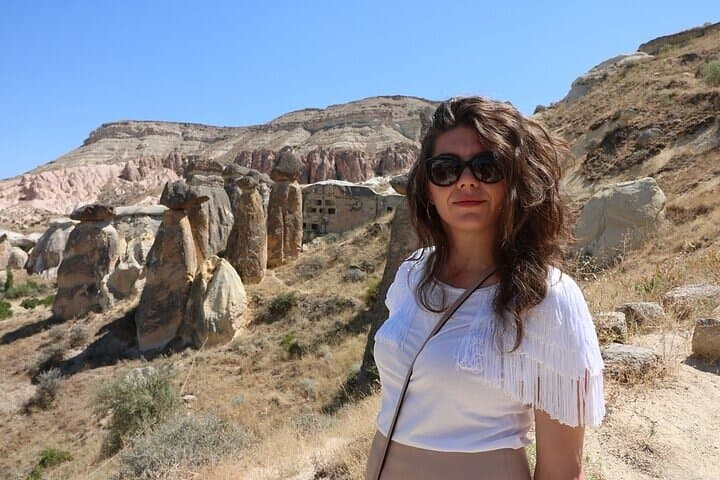
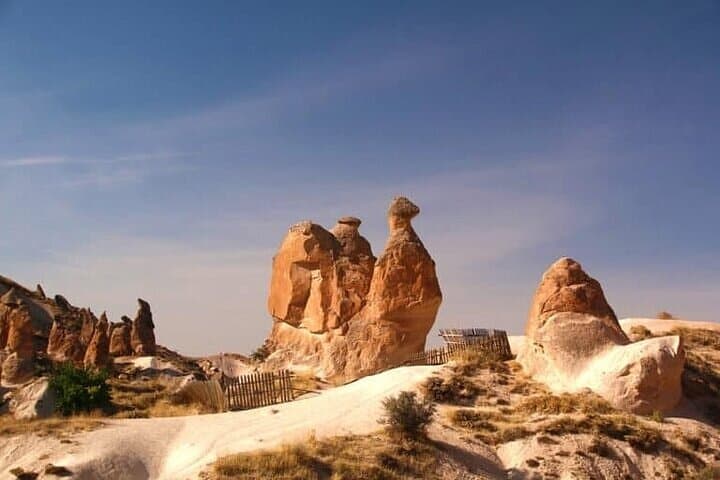
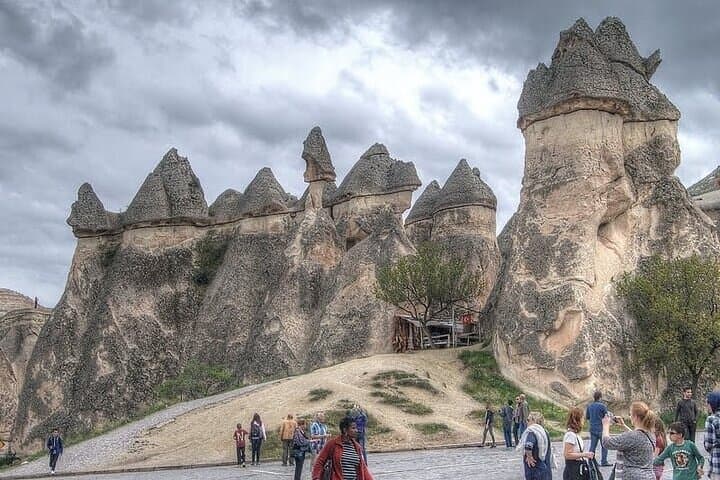
You step off the minivan into a bowl of carved stone and sky—wind brushing at the base of mushroom-shaped pinnacles as if the land itself is breathing. The Red Tour in Cappadocia moves like a local storyteller, pausing at set pieces: Pasabag’s towering fairy chimneys, Zelve’s honeycombed monasteries, the sculpted whimsy of Devrent, and the hands-on pottery rooms of Avanos. By midday a cave restaurant serves a simple lunch; by afternoon Uchisar spills a panorama of eroded cones, villages, and a horizon that seems to have been sketched in ochre.
Verified experiences and guided adventures in the surrounding area.
Operated by Qx Travel · Göreme, Nevşehir
You step off the minivan into a bowl of carved stone and sky—wind brushing at the base of mushroom-shaped pinnacles as if the land itself is breathing. The Red Tour in Cappadocia moves like a local storyteller, pausing at set pieces: Pasabag’s towering fairy chimneys, Zelve’s honeycombed monasteries, the sculpted whimsy of Devrent, and the hands-on pottery rooms of Avanos. By midday a cave restaurant serves a simple lunch; by afternoon Uchisar spills a panorama of eroded cones, villages, and a horizon that seems to have been sketched in ochre.
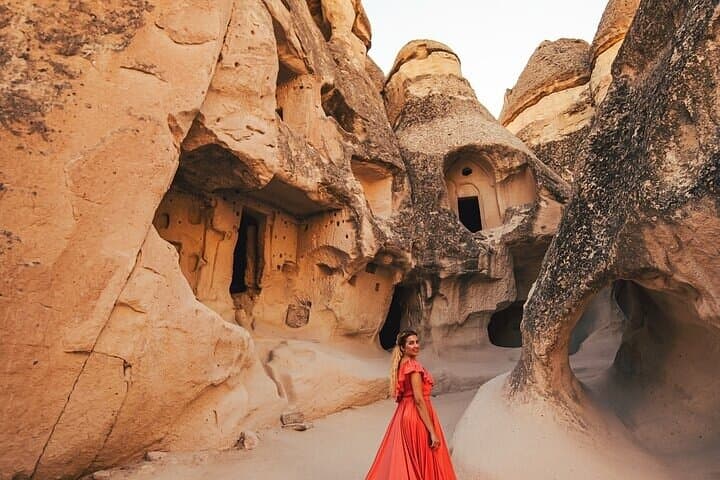
Geology here began millions of years ago when volcanic ash settled into soft tuff. Time, wind and water carved the soft rock into chimneys and cones; human hands then hollowed many of them into homes, churches and monastic cells. Christianity left its mark in frescoed cave churches at Zelve and nearby valleys, where communities lived underground and above for centuries. Avanos preserves an even older craft: pottery on the banks of the Kızılırmak River, where red clay has been turned on wheels since Hittite times.
Culturally, the tour threads practical history with living tradition. Guides often explain how locals adapted cave dwellings for winter warmth and summer cool—lessons in low-tech climate control that still work. The panorama at Göreme and the climb to Uchisar Castle reveal how human settlement negotiated a fragile landscape that both shelters and erodes.
Practically, the Red Tour is a six-hour, coach-led day with multiple short walks and photo stops. Expect uneven stone paths, short stair climbs and dusty surfaces; most segments are gentle but require steady shoes. Photography is a throughline—sunrise and late afternoon bend the tuff toward pink and gold, while midday highlights textures ideal for close-ups of carved windows and pottery hands.
For planning: book early in high season, arrive with sun protection and a refillable water bottle, and plan for packed pickup from Göreme-area hotels. The tour includes lunch, all fees and an English-speaking guide; it’s suitable for a wide range of fitness levels but not wheelchair accessible in the historic valleys. If you want to avoid the largest crowds, ask for an earlier pickup or request a smaller-group departure.
The Red Tour is efficient: it stitches the region’s signature sites into one improvisational day that’s both cinematic and instructive. For a first visit to Cappadocia, it clarifies the geology, shows where local crafts still thrive, and leaves you with the image that defines the place: rock that refuses to stay static, always reshaping itself—and asking you to look closer.
easy.
6 hours.
Light walking ability required—able to navigate short uneven slopes and stairs comfortably.
Yes—pickup and drop-off from most Cappadocia hotels is included; some outlying hotels may charge an extra fee noted at booking.
The tour description indicates admissions to listed stops are included where applicable; confirm specific sites with the operator at booking.
Yes—it's marketed as suitable for all fitness levels; expect short walks rather than long hikes, but mobility limitations may restrict access to some cave interiors.
Yes—many operators collect from nearby towns; confirm your pickup point and any additional transfer fee when you book.
Hot-air balloons are flown at sunrise and are not part of the Red Tour itinerary; you may spot them flying over the valleys if weather permits.
Yes—the tour usually includes a pottery-making demonstration and a chance to try the wheel under guidance; any finished pieces may take time to fire and ship, so ask the guide about arrangements.
Cappadocia’s forms owe to ancient volcanic ash compacted into soft tuff; people carved homes and churches into that tuff and christened valleys with early Christian frescoes.
The soft tuff is vulnerable to erosion and foot traffic; follow marked paths, avoid climbing fragile rock formations, and support local guides who promote responsible visitation.
Qx Travel operates guided outdoor trips and adventures with an emphasis on safety, stewardship, and memorable experiences.
You step off the minivan into a bowl of carved stone and sky—wind brushing at the base of mushroom-shaped pinnacles as if the land itself is breathing. The Red Tour in Cappadocia moves like a local storyteller, pausing at set pieces: Pasabag’s towering fairy chimneys, Zelve’s honeycombed monasteries, the sculpted whimsy of Devrent, and the hands-on pottery rooms of Avanos. By midday a cave restaurant serves a simple lunch; by afternoon Uchisar spills a panorama of eroded cones, villages, and a horizon that seems to have been sketched in ochre.
You step off the minivan into a bowl of carved stone and sky—wind brushing at the base of mushroom-shaped pinnacles as if the land itself is breathing. The Red Tour in Cappadocia moves like a local storyteller, pausing at set pieces: Pasabag’s towering fairy chimneys, Zelve’s honeycombed monasteries, the sculpted whimsy of Devrent, and the hands-on pottery rooms of Avanos. By midday a cave restaurant serves a simple lunch; by afternoon Uchisar spills a panorama of eroded cones, villages, and a horizon that seems to have been sketched in ochre.
Geology here began millions of years ago when volcanic ash settled into soft tuff. Time, wind and water carved the soft rock into chimneys and cones; human hands then hollowed many of them into homes, churches and monastic cells. Christianity left its mark in frescoed cave churches at Zelve and nearby valleys, where communities lived underground and above for centuries. Avanos preserves an even older craft: pottery on the banks of the Kızılırmak River, where red clay has been turned on wheels since Hittite times.
Culturally, the tour threads practical history with living tradition. Guides often explain how locals adapted cave dwellings for winter warmth and summer cool—lessons in low-tech climate control that still work. The panorama at Göreme and the climb to Uchisar Castle reveal how human settlement negotiated a fragile landscape that both shelters and erodes.
Practically, the Red Tour is a six-hour, coach-led day with multiple short walks and photo stops. Expect uneven stone paths, short stair climbs and dusty surfaces; most segments are gentle but require steady shoes. Photography is a throughline—sunrise and late afternoon bend the tuff toward pink and gold, while midday highlights textures ideal for close-ups of carved windows and pottery hands.
For planning: book early in high season, arrive with sun protection and a refillable water bottle, and plan for packed pickup from Göreme-area hotels. The tour includes lunch, all fees and an English-speaking guide; it’s suitable for a wide range of fitness levels but not wheelchair accessible in the historic valleys. If you want to avoid the largest crowds, ask for an earlier pickup or request a smaller-group departure.
The Red Tour is efficient: it stitches the region’s signature sites into one improvisational day that’s both cinematic and instructive. For a first visit to Cappadocia, it clarifies the geology, shows where local crafts still thrive, and leaves you with the image that defines the place: rock that refuses to stay static, always reshaping itself—and asking you to look closer.