THE ADVENTURE COLLECTIVE® · Independent discovery and booking for outdoor travel

Spend a full day exploring Ubud’s cultural heart and natural highlights — from palace courtyards and holy springs to jungle tracks and Gembleng’s natural pools. This private tour pairs local insight with convenient pickup so you can move deeper into Bali’s rituals and landscapes without fuss.
Spend a full day exploring Ubud’s cultural heart and natural highlights — from palace courtyards and holy springs to jungle tracks and Gembleng’s natural pools. This private tour pairs local insight with convenient pickup so you can move deeper into Bali’s rituals and landscapes without fuss.
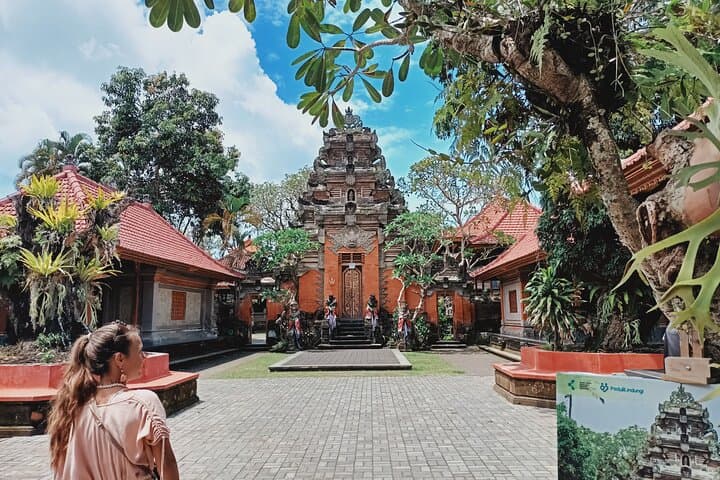
You meet your guide at the entry of the Ubud Palace just after first light. The palace gates yawn open to a narrow street where scooters thread between offerings of marigold and incense; a breeze lifts the scent of frangipani and the town wakes in a slow, deliberate rhythm. From here the tour unfurls like a local map drawn in stone and water: royal courtyards, ritual springs, carved temple walls and a jungle track that ends at a waterfall.
Verified experiences and guided adventures in the surrounding area.
Operated by A Nous Bali ! · Ubud, Bali
You meet your guide at the entry of the Ubud Palace just after first light. The palace gates yawn open to a narrow street where scooters thread between offerings of marigold and incense; a breeze lifts the scent of frangipani and the town wakes in a slow, deliberate rhythm. From here the tour unfurls like a local map drawn in stone and water: royal courtyards, ritual springs, carved temple walls and a jungle track that ends at a waterfall.
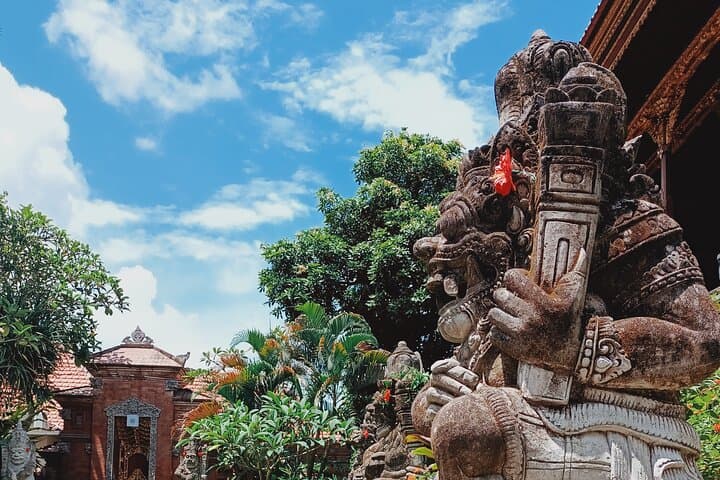
Ubud sits on volcanic soil carved by centuries of irrigation and ritual. The Subak system — Bali’s cooperative rice-irrigation practice — shaped the terraces that roll away from the town and supply the emerald backdrop of many photo stops. The palace itself, constructed and expanded over generations, acts as a cultural anchor: court dances, gamelan instruments and sculpted motifs give context to the Hindu-Balinese worldview you’ll hear about from your guide.
Tirta Empul or similar holy springs are central to the day: water here isn’t just a resource, it’s an agent of purification. Locals come to bathe under carved spouts to mark life events; your guide explains the protocol and, if you choose, helps you participate respectfully. Nearby, an 11th-century temple — its stonework softened by moss and the passage of time — speaks to Bali’s layered history of Hindu kings and earlier animist customs.
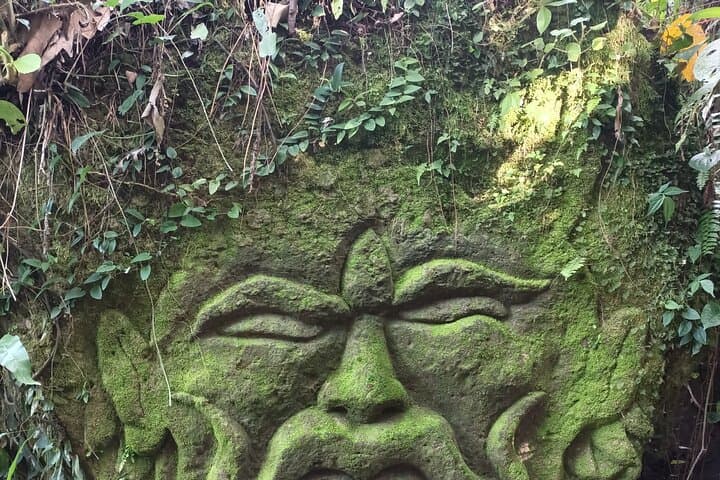
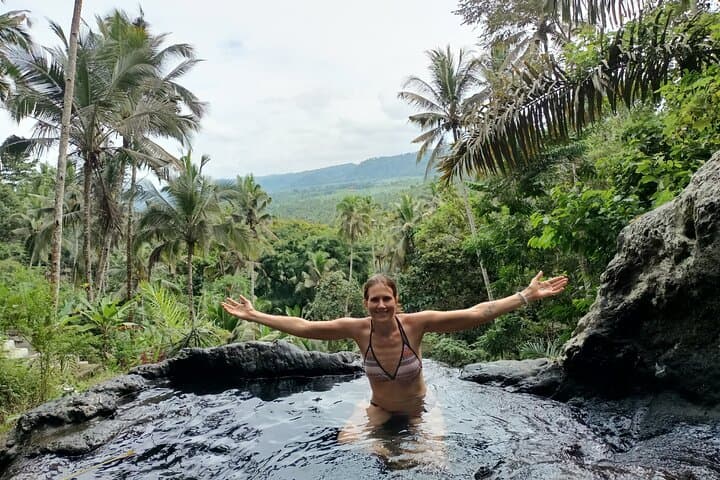
The route turns green as you follow a jungle track to a cascade where carved rocks and moss insistently claim attention. Water here dares you in two ways: to photograph and to wade — the plunge pools are refreshingly cool after the warm, humid walk. Later, Gembleng’s natural pools open up into a broader panorama, with rice fields stretching toward the Sidemen ridgeline; the view reads like a geography lesson and a postcard at once.
Practical edge: the day is long (7–8 hours) and involves uneven paths, temple steps and short climbs. Wear sturdy walking shoes and bring swimwear if you want to enter the pools. Cash is handy for small temple donations, snacks and local toilets. In the wet season (roughly November–March) tracks become slippery; a light rain jacket and quick-dry clothing will make the difference. Always carry sunscreen and a refillable bottle — vendors are common, but clean water is a commodity.
This private tour balances cultural insight and natural highlights in a single day. Your guide handles logistics and context so you can focus on the textures of Bali: wood carved by hand, water that insists on moving, and rice fields that keep a slow, careful rhythm with the people who tend them.
moderate.
7–8 hours.
Expect a full day with several short walks, uneven steps and occasional climbs; a moderate level of fitness keeps the day enjoyable.
Yes—private pickup from Ubud-area hotels is included; meet your guide at the agreed hotel reception or the Ubud Palace entry as specified.
Yes—guests may participate if they follow the guide’s instructions and the temple’s code of conduct; modest dress and respectful behavior are required.
Some sites in the itinerary may require entrance fees which are typically not included—confirm with the supplier when booking or bring small cash for admissions.
Infants must sit on an adult’s lap per supplier policy; the tour requires moderate mobility—check with the operator about specific age allowances and car seat availability.
Wear modest clothing that covers shoulders and knees; a sarong and sash are often required—your guide can arrange one if needed, but bringing your own speeds entry.
Swimming options depend on the site and seasonal conditions; your guide will advise when it’s safe to enter the pools and local rules to follow.
Ubud evolved as a center for Balinese arts and royal patronage; many temples and palaces date back to centuries of local kingdoms and the Subak irrigation traditions.
Stick to marked paths and avoid feeding wildlife; small donations to temple upkeep and using refillable water bottles help reduce litter and support local conservation efforts.
A Nous Bali ! operates guided outdoor trips and adventures with an emphasis on safety, stewardship, and memorable experiences.
You meet your guide at the entry of the Ubud Palace just after first light. The palace gates yawn open to a narrow street where scooters thread between offerings of marigold and incense; a breeze lifts the scent of frangipani and the town wakes in a slow, deliberate rhythm. From here the tour unfurls like a local map drawn in stone and water: royal courtyards, ritual springs, carved temple walls and a jungle track that ends at a waterfall.
You meet your guide at the entry of the Ubud Palace just after first light. The palace gates yawn open to a narrow street where scooters thread between offerings of marigold and incense; a breeze lifts the scent of frangipani and the town wakes in a slow, deliberate rhythm. From here the tour unfurls like a local map drawn in stone and water: royal courtyards, ritual springs, carved temple walls and a jungle track that ends at a waterfall.
Ubud sits on volcanic soil carved by centuries of irrigation and ritual. The Subak system — Bali’s cooperative rice-irrigation practice — shaped the terraces that roll away from the town and supply the emerald backdrop of many photo stops. The palace itself, constructed and expanded over generations, acts as a cultural anchor: court dances, gamelan instruments and sculpted motifs give context to the Hindu-Balinese worldview you’ll hear about from your guide.
Tirta Empul or similar holy springs are central to the day: water here isn’t just a resource, it’s an agent of purification. Locals come to bathe under carved spouts to mark life events; your guide explains the protocol and, if you choose, helps you participate respectfully. Nearby, an 11th-century temple — its stonework softened by moss and the passage of time — speaks to Bali’s layered history of Hindu kings and earlier animist customs.
The route turns green as you follow a jungle track to a cascade where carved rocks and moss insistently claim attention. Water here dares you in two ways: to photograph and to wade — the plunge pools are refreshingly cool after the warm, humid walk. Later, Gembleng’s natural pools open up into a broader panorama, with rice fields stretching toward the Sidemen ridgeline; the view reads like a geography lesson and a postcard at once.
Practical edge: the day is long (7–8 hours) and involves uneven paths, temple steps and short climbs. Wear sturdy walking shoes and bring swimwear if you want to enter the pools. Cash is handy for small temple donations, snacks and local toilets. In the wet season (roughly November–March) tracks become slippery; a light rain jacket and quick-dry clothing will make the difference. Always carry sunscreen and a refillable bottle — vendors are common, but clean water is a commodity.
This private tour balances cultural insight and natural highlights in a single day. Your guide handles logistics and context so you can focus on the textures of Bali: wood carved by hand, water that insists on moving, and rice fields that keep a slow, careful rhythm with the people who tend them.