THE ADVENTURE COLLECTIVE® · Independent discovery and booking for outdoor travel

Experience Plitvice Lakes in one full day from Split: a private tour that pairs wooden boardwalks, boat crossings and thunderous waterfalls with a grounded look at the park’s geology and wildlife. Perfect for travelers who want a focused, full-day immersion with practical planning tips.
Experience Plitvice Lakes in one full day from Split: a private tour that pairs wooden boardwalks, boat crossings and thunderous waterfalls with a grounded look at the park’s geology and wildlife. Perfect for travelers who want a focused, full-day immersion with practical planning tips.
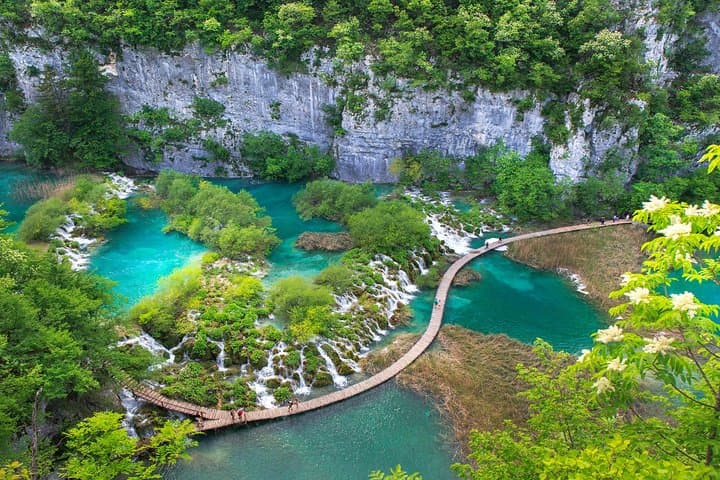
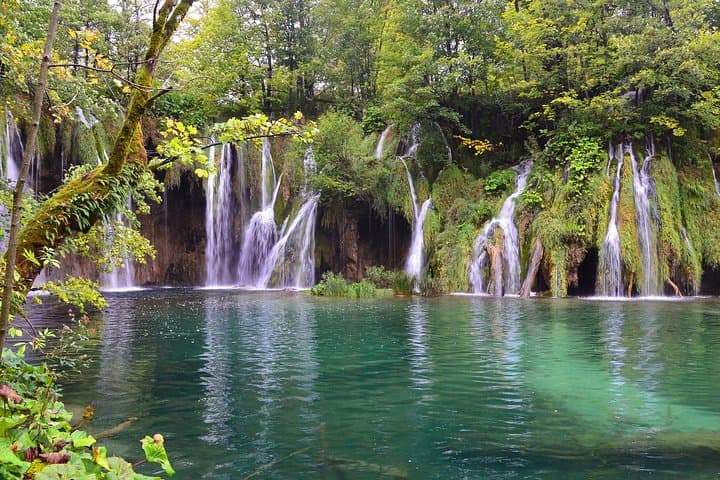
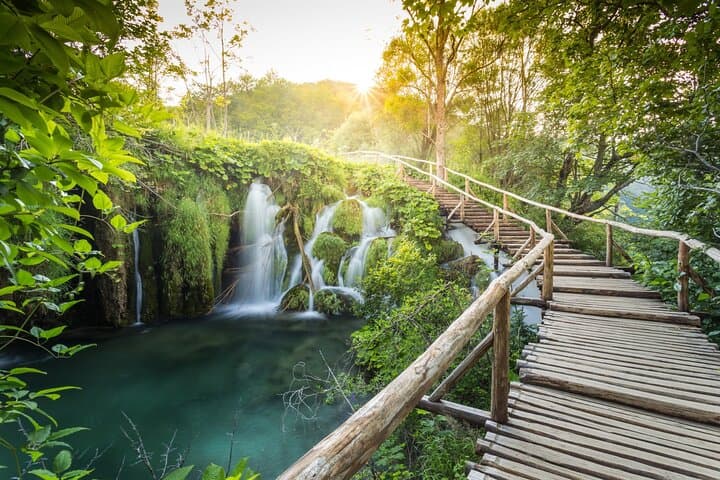
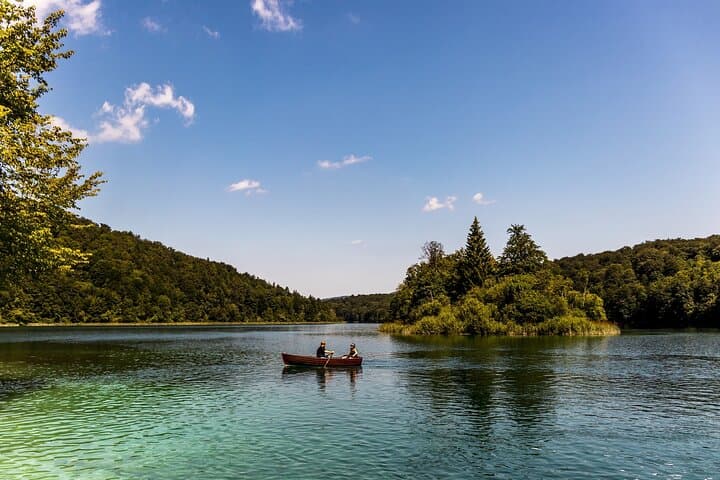
You step off the air-conditioned van and the sound hits first: water. A high, constant rush threading through a bowl of limestone cliffs, spilled across terraces of green and blue. At Plitvice Lakes the landscape seems to be working — water carving, mineralizing and building the park’s famous travertine barriers in plain sight. On a private full-day trip from Split, the park unfurls in a carefully paced circuit: wooden boardwalks that hug the water’s edge, a short boat crossing across glazed Kozjak Lake, and the thunder of Veliki Slap (Big Waterfall) declaring the park’s geology out loud.
Verified experiences and guided adventures in the surrounding area.
Operated by Super Tours · Plitvička Jezera, Lika-Senj County
You step off the air-conditioned van and the sound hits first: water. A high, constant rush threading through a bowl of limestone cliffs, spilled across terraces of green and blue. At Plitvice Lakes the landscape seems to be working — water carving, mineralizing and building the park’s famous travertine barriers in plain sight. On a private full-day trip from Split, the park unfurls in a carefully paced circuit: wooden boardwalks that hug the water’s edge, a short boat crossing across glazed Kozjak Lake, and the thunder of Veliki Slap (Big Waterfall) declaring the park’s geology out loud.
Plitvice is Croatia’s oldest national park (founded 1949) and a UNESCO World Heritage Site since 1979. The 16 terraced lakes formed over roughly 10,000 years as calcium carbonate deposited and created natural dams; the result is a shifting palette of azure, green and gray that changes with light and plankton. The park’s high beech and fir forests feel older than modern borders — deer, wild boar and dozens of bird species still move through these stands, and traces of wolves and bears appear in recorded sightings and footprints.
A typical private day covers both Upper and Lower Lakes using the park’s network of paths and wooden walkways — roughly 6–8 km of walking on most recommended circuits, with cumulative elevation changes of about 150–300 m depending on route choices. The terrain is uncomplicated but can be slick after rain: expect a mix of packed earth, stone steps and floating wooden boardwalks that push you close to the water’s edge. The park operates electric boats on Lake Kozjak and a shuttle train to bridge longer sections, so plan a mix of walking and short transfers.
Practical edge: the tour leaves Split early and returns late — this is a 12-hour day when you include drive time (roughly 2.5–3 hours each way). Bring layered rain protection, grippy waterproof shoes and at least 2 liters of water. Entrance fees are included with many private operators but always confirm; in high season lines at the gate and on the boardwalks can slow progress and dim the quiet moments, so an early start matters.
Culturally, the park sits in Lika, a region shaped by pastoral life and wartime history; small villages around the park offer simple hospitality and home-cooked fare if you choose to linger. Environmentally, Plitvice’s travertine systems are fragile — stay on marked trails, avoid touching mineral deposits and pack out waste.
Whether you’re chasing the cinematic curtain of Veliki Slap, the glassy mirror of Kozjak at sunrise, or the hush of beech forest, a private day trip from Split makes a long day feel like an intimate introduction to one of Europe’s most active landscapes.
easy.
12 hours.
Able to walk 4–8 km over mixed wooden boardwalks and stone steps; basic stamina for a full day with short vehicle transfers.
Expect about 2.5–3 hours each way depending on traffic and route; the full tour is typically a 12-hour day including driving and park time.
Many private tours include park entrance fees — confirm with your operator before booking to avoid surprises at the gate.
Yes; most paths are family-friendly. Choose shorter circuits if mobility or stamina is limited and avoid steep stairs.
No — swimming is prohibited to protect travertine formation and water quality.
Pets are generally not permitted on the main walking routes and boardwalks; check current park rules before bringing animals.
Late spring and early fall balance good weather, lower crowds and vibrant water colors; summer is busiest but also warmest.
Plitvice was established as Croatia’s first national park in 1949 and recognized by UNESCO in 1979 for its unique travertine-deposit landscapes.
The park is actively managed to protect travertine formation and water quality—stick to paths, avoid touching mineral barriers and carry out all trash.
Super Tours operates guided outdoor trips and adventures with an emphasis on safety, stewardship, and memorable experiences.
You step off the air-conditioned van and the sound hits first: water. A high, constant rush threading through a bowl of limestone cliffs, spilled across terraces of green and blue. At Plitvice Lakes the landscape seems to be working — water carving, mineralizing and building the park’s famous travertine barriers in plain sight. On a private full-day trip from Split, the park unfurls in a carefully paced circuit: wooden boardwalks that hug the water’s edge, a short boat crossing across glazed Kozjak Lake, and the thunder of Veliki Slap (Big Waterfall) declaring the park’s geology out loud.
You step off the air-conditioned van and the sound hits first: water. A high, constant rush threading through a bowl of limestone cliffs, spilled across terraces of green and blue. At Plitvice Lakes the landscape seems to be working — water carving, mineralizing and building the park’s famous travertine barriers in plain sight. On a private full-day trip from Split, the park unfurls in a carefully paced circuit: wooden boardwalks that hug the water’s edge, a short boat crossing across glazed Kozjak Lake, and the thunder of Veliki Slap (Big Waterfall) declaring the park’s geology out loud.
Plitvice is Croatia’s oldest national park (founded 1949) and a UNESCO World Heritage Site since 1979. The 16 terraced lakes formed over roughly 10,000 years as calcium carbonate deposited and created natural dams; the result is a shifting palette of azure, green and gray that changes with light and plankton. The park’s high beech and fir forests feel older than modern borders — deer, wild boar and dozens of bird species still move through these stands, and traces of wolves and bears appear in recorded sightings and footprints.
A typical private day covers both Upper and Lower Lakes using the park’s network of paths and wooden walkways — roughly 6–8 km of walking on most recommended circuits, with cumulative elevation changes of about 150–300 m depending on route choices. The terrain is uncomplicated but can be slick after rain: expect a mix of packed earth, stone steps and floating wooden boardwalks that push you close to the water’s edge. The park operates electric boats on Lake Kozjak and a shuttle train to bridge longer sections, so plan a mix of walking and short transfers.
Practical edge: the tour leaves Split early and returns late — this is a 12-hour day when you include drive time (roughly 2.5–3 hours each way). Bring layered rain protection, grippy waterproof shoes and at least 2 liters of water. Entrance fees are included with many private operators but always confirm; in high season lines at the gate and on the boardwalks can slow progress and dim the quiet moments, so an early start matters.
Culturally, the park sits in Lika, a region shaped by pastoral life and wartime history; small villages around the park offer simple hospitality and home-cooked fare if you choose to linger. Environmentally, Plitvice’s travertine systems are fragile — stay on marked trails, avoid touching mineral deposits and pack out waste.
Whether you’re chasing the cinematic curtain of Veliki Slap, the glassy mirror of Kozjak at sunrise, or the hush of beech forest, a private day trip from Split makes a long day feel like an intimate introduction to one of Europe’s most active landscapes.