THE ADVENTURE COLLECTIVE® · Independent discovery and booking for outdoor travel

Spend a full day exploring UNESCO-listed Plitvice Lakes with private transport from Rijeka or Opatija. This guided excursion highlights the park’s travertine lakes and waterfalls with flexible routing, practical logistics, and local tips to make the most of your visit.
Spend a full day exploring UNESCO-listed Plitvice Lakes with private transport from Rijeka or Opatija. This guided excursion highlights the park’s travertine lakes and waterfalls with flexible routing, practical logistics, and local tips to make the most of your visit.
You step off the private shuttle and the air changes—cool, mineral-laced and oddly bright. The first boardwalk creaks beneath your boots, and the lakes unfold in tiers: turquoise basins stitched together by ribbons of falling water. It’s the kind of place where water claims the landscape, carving travertine terraces and tunnels that keep secret pools and sudden cataracts.
Verified experiences and guided adventures in the surrounding area.
Operated by Real Croatia · Plitvička Jezera, Lika-Senj
You step off the private shuttle and the air changes—cool, mineral-laced and oddly bright. The first boardwalk creaks beneath your boots, and the lakes unfold in tiers: turquoise basins stitched together by ribbons of falling water. It’s the kind of place where water claims the landscape, carving travertine terraces and tunnels that keep secret pools and sudden cataracts.
Plitvice Lakes National Park is Croatia’s original conservation win—a national park since 1949 and a UNESCO World Heritage Site since 1979. The park’s sixteen lakes and hundreds of waterfalls are the outcome of centuries of water moving over limestone, leaving travertine barriers that keep rearranging the geometry of the valley. The place maps geology as live performance: calcium-rich waters coagulate into terraces, moss and algal films paint the edges, and forests buffer the light.
The excursion from Rijeka or Opatija makes this accessible in a single, immersive day. Your guide handles logistics—park entry and the quickest loops—so you can focus on the trail rhythm: wooden boardwalk, stone stairs, forested switchbacks and the occasional ferry across a deeper lake. Expect mostly gentle ascents; the park’s trails are engineered for flow rather than punishment, but stairs and slippery sections demand attention.
Culturally, Plitvice sits in Lika, a region shaped by shepherding and remote mountain life; local restaurants nearby still serve hearty stews and smoked cheeses that refuel more than appetites. Lunch is on your own, and small eateries outside the park provide an opportunity to pair the day's vistas with traditional flavors.
Practicalities matter here. Full-day tours run 8–10 hours with 8–10 km of walking depending on the route; bring waterproof footwear, layered clothing for sudden weather shifts, and a reusable water bottle. Summer draws buses, so the best light and quieter trails are early morning or late afternoon; winter offers a different drama—partial freeze and subdued colors—but icy boardwalks require microspikes.
Conservation rules are strict: stay on marked paths, don’t swim, and pack out what you bring in. The park’s fragile travertine and thin soils recover slowly from disturbance. With a private tour you gain flexibility—your guide can tailor the route to mobility and interest, whether that’s chasing waterfalls, photographing reflective lake surfaces, or lingering over local lore.
Whether you come for dramatic cascades or the slow geology of water and stone, a day here feels like a concentrated education in how landscapes move. Walk deliberately, let the water keep moving—there’s always another cascade around the bend daring you to follow it.
easy.
8–10 hours.
Moderate: you should be comfortable walking 8–10 km with some stairs and standing for views.
No; the guide will provide a ticket for entry, but confirm whether national park fees are covered with your operator before booking.
Expect 8–10 km of walking depending on the chosen loop and ferry crossings; most visitors are on their feet several hours.
Yes; the tour offers pickup from locations in Rijeka or Opatija—confirm your exact pickup point when you book.
Yes for most ages—paths are easy but include stairs and uneven sections; request a gentler route if mobility is a concern.
Lunch is on your own; nearby restaurants serve local dishes like lamb stews and potato specialties—pack snacks if you prefer faster options.
The park is open year-round, but some routes may be icy or closed; winter requires traction devices and warm layers.
Plitvice was protected as Croatia’s first national park in 1949; its UNESCO listing in 1979 recognizes both its geological processes and biodiversity.
Strict trail rules and limited access routes protect the fragile travertine formations; visitors are asked to minimize waste and stay on designated paths.
Real Croatia operates guided outdoor trips and adventures with an emphasis on safety, stewardship, and memorable experiences.
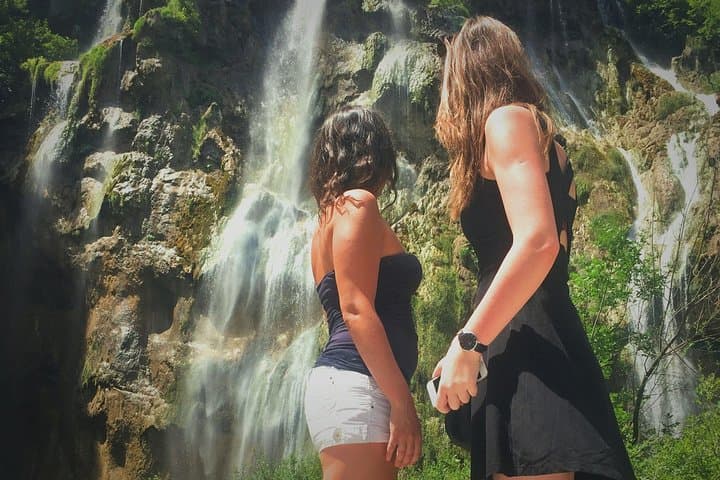
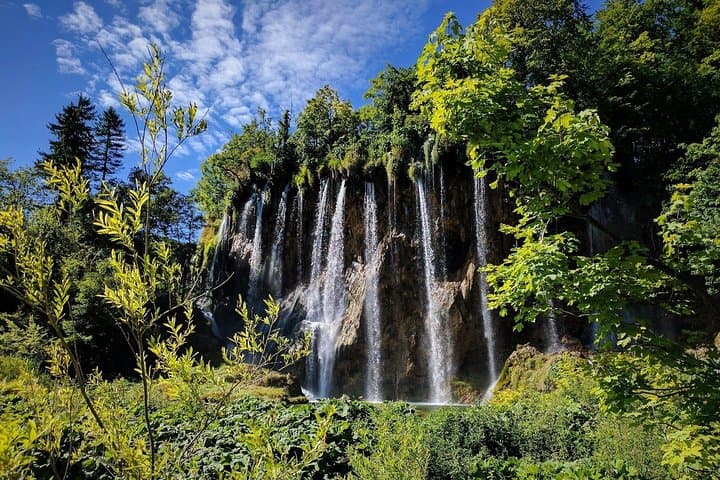
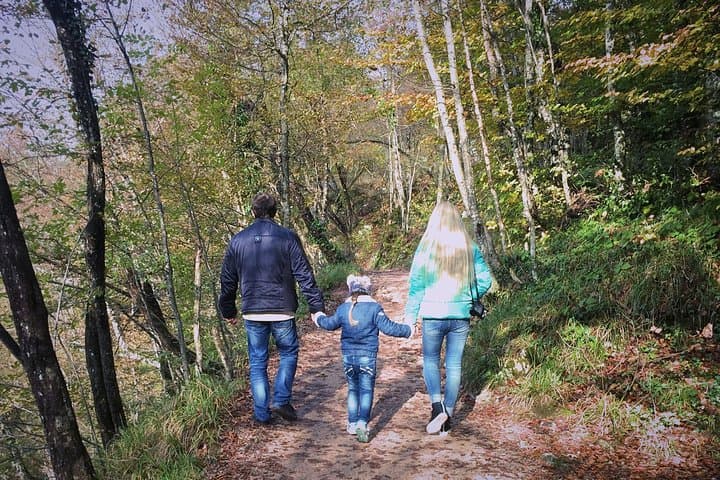
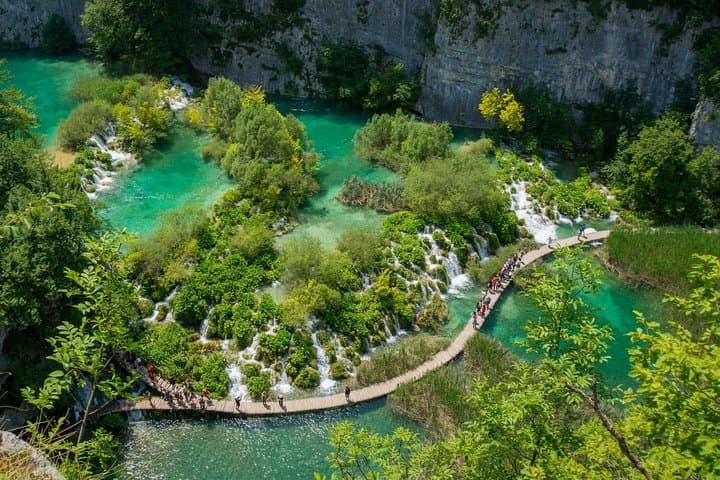
You step off the private shuttle and the air changes—cool, mineral-laced and oddly bright. The first boardwalk creaks beneath your boots, and the lakes unfold in tiers: turquoise basins stitched together by ribbons of falling water. It’s the kind of place where water claims the landscape, carving travertine terraces and tunnels that keep secret pools and sudden cataracts.
You step off the private shuttle and the air changes—cool, mineral-laced and oddly bright. The first boardwalk creaks beneath your boots, and the lakes unfold in tiers: turquoise basins stitched together by ribbons of falling water. It’s the kind of place where water claims the landscape, carving travertine terraces and tunnels that keep secret pools and sudden cataracts.
Plitvice Lakes National Park is Croatia’s original conservation win—a national park since 1949 and a UNESCO World Heritage Site since 1979. The park’s sixteen lakes and hundreds of waterfalls are the outcome of centuries of water moving over limestone, leaving travertine barriers that keep rearranging the geometry of the valley. The place maps geology as live performance: calcium-rich waters coagulate into terraces, moss and algal films paint the edges, and forests buffer the light.
The excursion from Rijeka or Opatija makes this accessible in a single, immersive day. Your guide handles logistics—park entry and the quickest loops—so you can focus on the trail rhythm: wooden boardwalk, stone stairs, forested switchbacks and the occasional ferry across a deeper lake. Expect mostly gentle ascents; the park’s trails are engineered for flow rather than punishment, but stairs and slippery sections demand attention.
Culturally, Plitvice sits in Lika, a region shaped by shepherding and remote mountain life; local restaurants nearby still serve hearty stews and smoked cheeses that refuel more than appetites. Lunch is on your own, and small eateries outside the park provide an opportunity to pair the day's vistas with traditional flavors.
Practicalities matter here. Full-day tours run 8–10 hours with 8–10 km of walking depending on the route; bring waterproof footwear, layered clothing for sudden weather shifts, and a reusable water bottle. Summer draws buses, so the best light and quieter trails are early morning or late afternoon; winter offers a different drama—partial freeze and subdued colors—but icy boardwalks require microspikes.
Conservation rules are strict: stay on marked paths, don’t swim, and pack out what you bring in. The park’s fragile travertine and thin soils recover slowly from disturbance. With a private tour you gain flexibility—your guide can tailor the route to mobility and interest, whether that’s chasing waterfalls, photographing reflective lake surfaces, or lingering over local lore.
Whether you come for dramatic cascades or the slow geology of water and stone, a day here feels like a concentrated education in how landscapes move. Walk deliberately, let the water keep moving—there’s always another cascade around the bend daring you to follow it.