THE ADVENTURE COLLECTIVE® · Independent discovery and booking for outdoor travel

Crossing Lake Titicaca in a single day from La Paz feels like stepping into a different calendar: wind-carved shores, Inca steps, and reed islands where ancient livelihoods persist. This full-day bus-and-boat tour hits Copacabana, Isla del Sol and Yumani with organized transfers and cultural insights.
Crossing Lake Titicaca in a single day from La Paz feels like stepping into a different calendar: wind-carved shores, Inca steps, and reed islands where ancient livelihoods persist. This full-day bus-and-boat tour hits Copacabana, Isla del Sol and Yumani with organized transfers and cultural insights.
The bus eases out of La Paz before dawn and the valley opens like a paper map: jagged rooftops give way to scrub, then the sky flattens and a broad blue plane appears—the surface of Lake Titicaca, daring you to cross it.
Verified experiences and guided adventures in the surrounding area.
Operated by Joker Expedition, Bolivia. · Copacabana, La Paz
The bus eases out of La Paz before dawn and the valley opens like a paper map: jagged rooftops give way to scrub, then the sky flattens and a broad blue plane appears—the surface of Lake Titicaca, daring you to cross it.
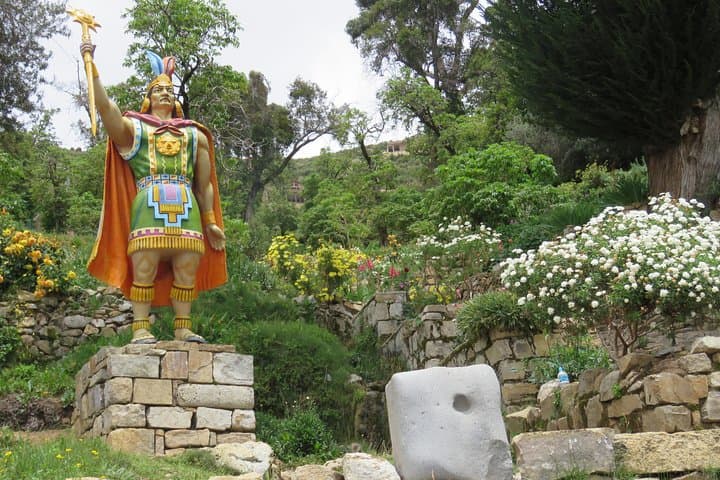
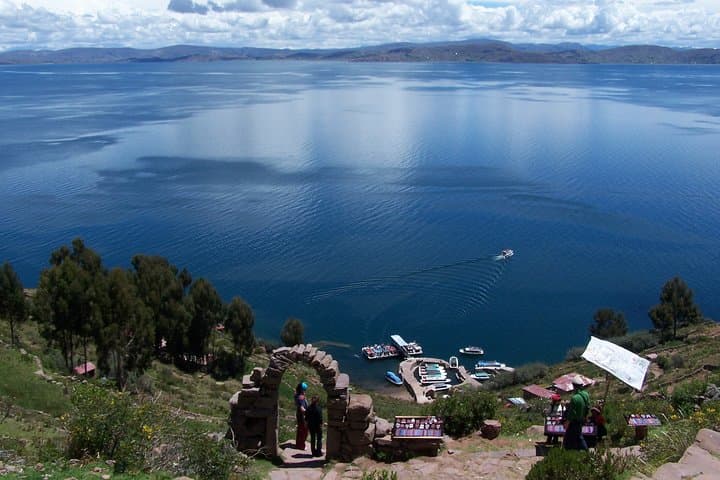
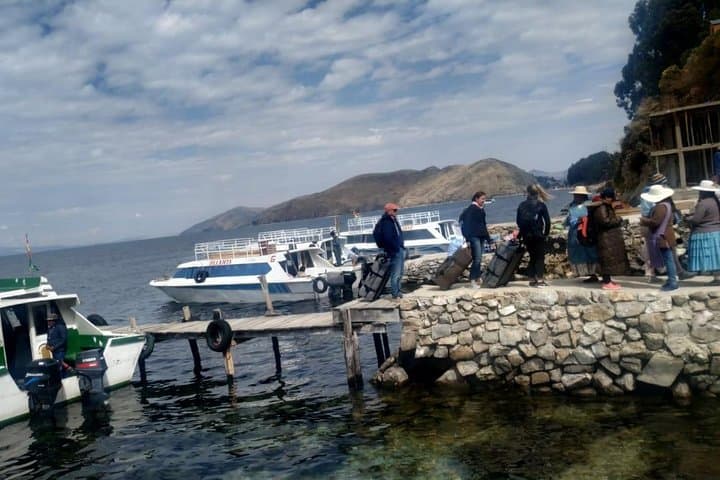
By midmorning the group assembles in Copacabana, a small town on Bolivia’s shore where fishermen mend nets and vendors arrange vibrant alpaca scarves in the plaza. From there, shared boats slide across water so clear the distant Andes seem to float. The destination is Isla del Sol, the Sun Island, a compact sweep of terraced stone and wind-sculpted shoreline with Inca steps and a spring still called the Fountain of Youth by locals. Wind and water move with intent here; the lake pushes, pulls and, in turn, forces a vivid clarity into the light.
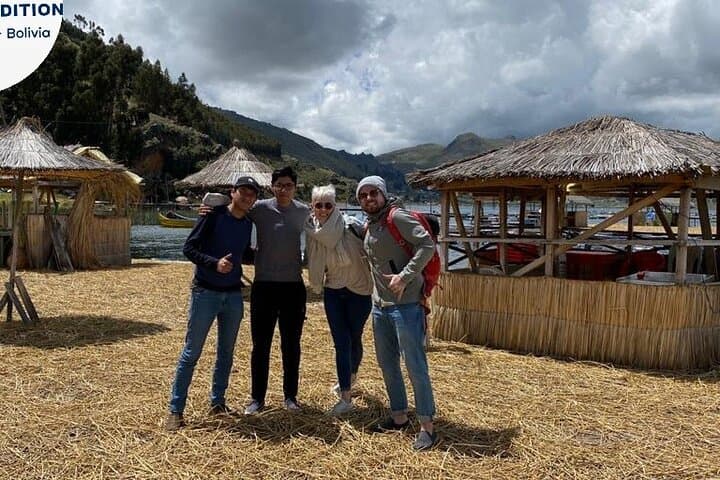
Geologically, Titicaca is a high plateau lake carved by tectonic uplift and ancient glacial action; culturally, it’s older than the Inca—Aymara and Quechua communities have lived on its shores and islands for millennia. On Isla del Sol, pre-Inca ruins perch on ridges and the guide points out carved niches and agricultural terraces that channel Andean tradition into living practice. A visit to the Uros—floating reeds woven into islands and boats—shows adaptive ingenuity: totora reeds are still harvested and tied to buoyant platforms, communities arranging their lives atop the lake.
The day is practical as well as poetic. The tour runs 10–12 hours round trip from La Paz, with shared bus transport to Copacabana, organized boat crossings, a stop at the island to see Inca stairways, and time in the town of Yumani for lunch and craft shopping. Expect hour-long stretches of walking over uneven stone and packed-earth paths; altitude is the real variable—Titicaca sits around 3,856 meters, so breathing feels shallower and pace matters.
Plan for layering: a sunny high-altitude afternoon can flip to a brisk, wind-whipped evening. Hydrate before you go and bring cash for small entrance fees, tips, and the crafts market. If you want quieter corners, walk past the main dock in Yumani toward the southern Inca steps—morning light catches the stones and the view back toward the Bolivian shore.
This is a day of contrasts: long coach stretches and sudden ancient stonework, reed boats bobbing beside motor launches, modern Spanish trading with Aymara storytelling. For travelers who want a single-day immersion in high-Andean culture and the physical spectacle of the world’s highest navigable lake, this route delivers—direct, accessible and framed by water that seems determined to be noticed.
moderate.
10–12 hours.
Suitable for travelers who can manage a long day with periods of walking on uneven ground at high altitude; expect intermittent standing and short hikes.
The full round-trip lasts approximately 10–12 hours, including bus travel, boat crossings, and time on Isla del Sol and in Copacabana.
Yes—transportation and activities are labeled accessible and the tour is physically easy, but altitude can affect anyone; consult a doctor if you have respiratory or heart conditions.
Guides typically speak Spanish and may offer basic English; local Aymara and Quechua culture is often interpreted by the guide.
Lunch is included in the tour inclusions, but some small local entrance fees or purchases may require cash on-site.
This specific itinerary focuses on Copacabana and Isla del Sol; some operators include Uros islands—confirm at booking if that stop is essential to you.
The operator notes wheelchair and stroller accessibility for transportation, but island terrain and cobbled paths can be challenging once ashore.
Lake Titicaca predates the Inca; Aymara and pre-Inca communities developed terraced agriculture and ritual sites across these islands centuries before Spanish contact.
Titicaca’s fragile reed islands and shoreline ecosystems face pressure from tourism and pollution; favor operators who limit waste and support local communities.
Joker Expedition, Bolivia. operates guided outdoor trips and adventures with an emphasis on safety, stewardship, and memorable experiences.
The bus eases out of La Paz before dawn and the valley opens like a paper map: jagged rooftops give way to scrub, then the sky flattens and a broad blue plane appears—the surface of Lake Titicaca, daring you to cross it.
The bus eases out of La Paz before dawn and the valley opens like a paper map: jagged rooftops give way to scrub, then the sky flattens and a broad blue plane appears—the surface of Lake Titicaca, daring you to cross it.
By midmorning the group assembles in Copacabana, a small town on Bolivia’s shore where fishermen mend nets and vendors arrange vibrant alpaca scarves in the plaza. From there, shared boats slide across water so clear the distant Andes seem to float. The destination is Isla del Sol, the Sun Island, a compact sweep of terraced stone and wind-sculpted shoreline with Inca steps and a spring still called the Fountain of Youth by locals. Wind and water move with intent here; the lake pushes, pulls and, in turn, forces a vivid clarity into the light.
Geologically, Titicaca is a high plateau lake carved by tectonic uplift and ancient glacial action; culturally, it’s older than the Inca—Aymara and Quechua communities have lived on its shores and islands for millennia. On Isla del Sol, pre-Inca ruins perch on ridges and the guide points out carved niches and agricultural terraces that channel Andean tradition into living practice. A visit to the Uros—floating reeds woven into islands and boats—shows adaptive ingenuity: totora reeds are still harvested and tied to buoyant platforms, communities arranging their lives atop the lake.
The day is practical as well as poetic. The tour runs 10–12 hours round trip from La Paz, with shared bus transport to Copacabana, organized boat crossings, a stop at the island to see Inca stairways, and time in the town of Yumani for lunch and craft shopping. Expect hour-long stretches of walking over uneven stone and packed-earth paths; altitude is the real variable—Titicaca sits around 3,856 meters, so breathing feels shallower and pace matters.
Plan for layering: a sunny high-altitude afternoon can flip to a brisk, wind-whipped evening. Hydrate before you go and bring cash for small entrance fees, tips, and the crafts market. If you want quieter corners, walk past the main dock in Yumani toward the southern Inca steps—morning light catches the stones and the view back toward the Bolivian shore.
This is a day of contrasts: long coach stretches and sudden ancient stonework, reed boats bobbing beside motor launches, modern Spanish trading with Aymara storytelling. For travelers who want a single-day immersion in high-Andean culture and the physical spectacle of the world’s highest navigable lake, this route delivers—direct, accessible and framed by water that seems determined to be noticed.